

This newsletter highlights eight critical stories that reflect the deepest pressures on global press freedom, human rights, and institutional governance. The data reveals synchronised crackdowns on journalism in multiple regions, unprecedented digital isolation in Iran, and systemic protection gaps for vulnerable populations. Simultaneously, FIFA’s recognition of Afghan women athletes and emerging institutional cooperation on interfaith dialogue signal limited but meaningful resistance to authoritarian suppression.
Edraak is our newsletter that honours the Muslim world’s diversity, reflected in the multitude of its socio-economic conditions and political institutions spanning across the continents. Traced back to its Arabic origins, إدراك encompasses timely and thorough insights into the developments of the Muslim-majority countries.
We organise the Muslim-majority countries into four zones as per their current conditions of conflict, transition, stability, and development.
Zone I: Experiencing War, Conflict, Oppression, Genocide
Somalia Press Crackdown
Last Week, Southwest State banned journalists from reporting insecurity, terrorist attacks, clan conflict, or criticism of officials; Mogadishu’s police commander separately threatened criminal charges against anyone covering the president’s term limit. Since January, the Somali Journalists Syndicate has documented 18 violations, including one journalist shot dead by a Jubaland police officer on 2 March. This shows a deliberate blocking of public access to information about government actions, perpetuating cycles of impunity and civilian vulnerability.
Zone II: Transition toward Peace and Stability
Iran Internet Blackout
Iran’s internet shutdown became the longest in its history, over 30 days of near-total connectivity blackout as of early April, per CPJ. Diaspora journalists are receiving direct threats from security services and having Iranian assets seized, with family members inside Iran used as leverage. Mass internet blackouts function as tools of information control that strip citizens of their ability to verify facts, access independent sources, and even communicate with loved ones.
Zone III: Stable but Economically Struggling
FIFA Afghan Women’s Team
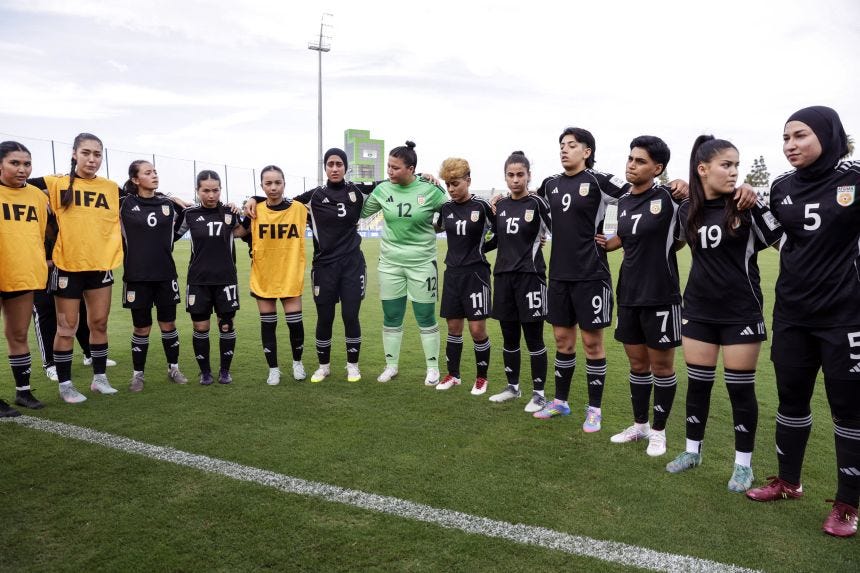
FIFA introduced a new rule formally recognising the Afghan Women’s National Football Team despite the Taliban’s blanket ban on women’s sport inside Afghanistan, allowing the team to continue competing internationally as a recognised entity, in exile, without requiring a functioning domestic federation. International institutional recognition of exiled athletes from authoritarian regimes establishes an important precedent by creating alternative pathways for participation when domestic governance actively suppresses fundamental freedoms.
Kano State and Nigeria Collaboration
The Kano State government confirmed active collaboration with the Federal Government to deliver infrastructure in education and health across the state, at a time when federal-state tensions over resource allocation are acute. N54.8 billion has already been allocated across sectors by the Federal Government. Such institutional cooperation on education and health infrastructure investments demonstrates how federal-state alignment can advance citizens’ access to essential services, countering the governance fragmentation that often disadvantages vulnerable populations.
Bahrain Criminalising Factual Public Records
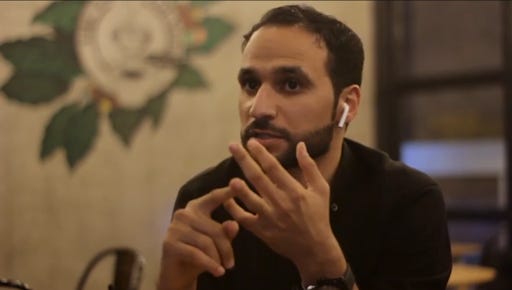
Convicted under wartime charges including “promoting content supportive of Iran” and “publishing defence-related material,” freelance photographer Sayed Baqer Al-Kamel was sentenced to 10 years on 28 April for posting a video of a burning high-rise in Manama’s Seef and for posting condolences on the death of Supreme Leader Khamenei. Using vague “national security” and “wartime” charges to criminalise the documentation of factual public records transforms courts from arbiters of justice into instruments of press suppression.
Zone IV: Developed or Emerging Economies with Peace and Stability
ICESCO & IIFA MoU
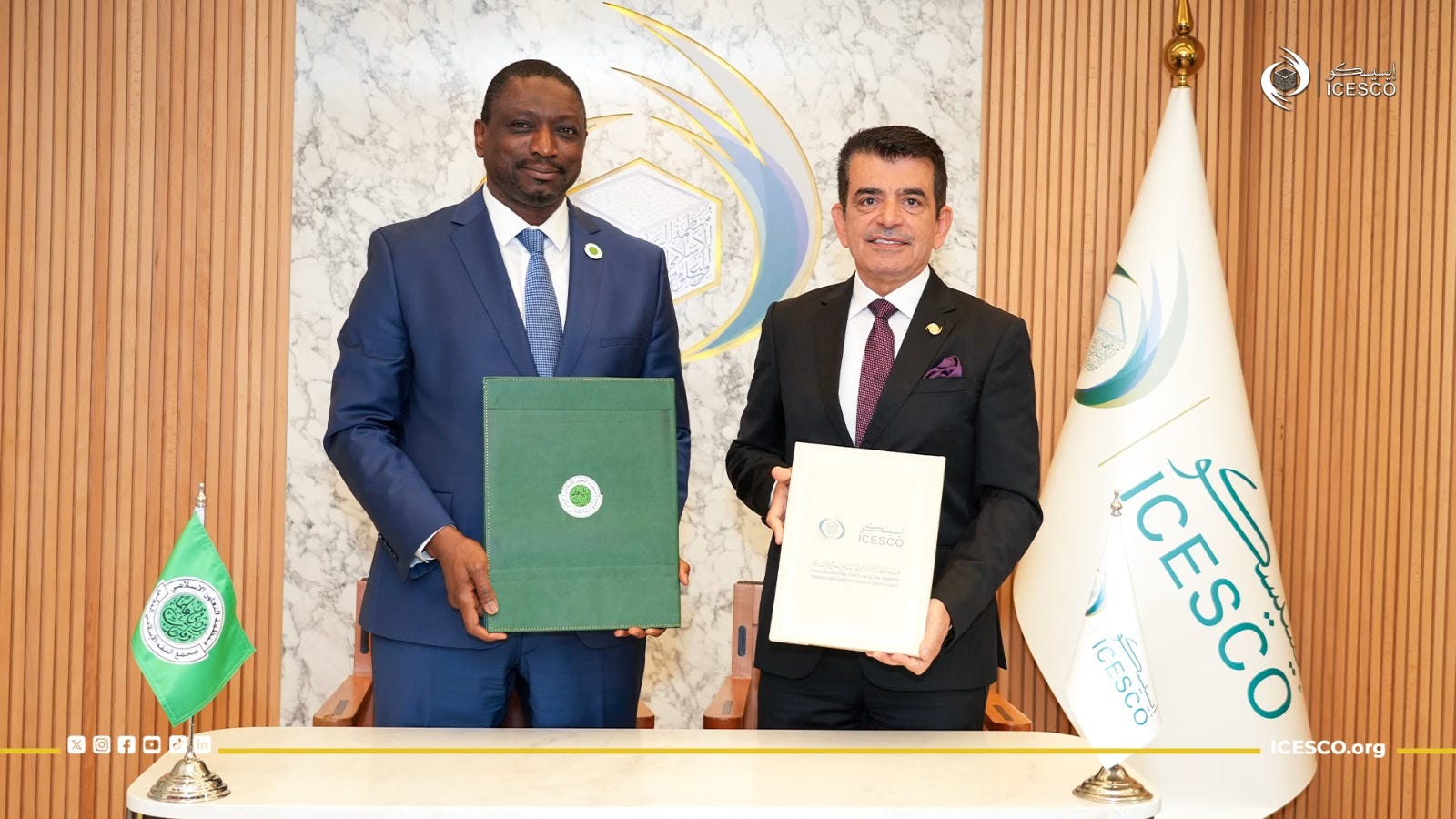
The Islamic World Educational, Scientific and Cultural Organisation and the International Islamic Fiqh Academy signed a memorandum of understanding to jointly promote interfaith dialogue and develop Islamic scholarly frameworks to counter hate speech, a significant institutional alignment between two of the OIC’s most influential bodies.
Malaysia Refugee Registration
Malaysia’s new digital refugee registration system, which replaces UNHCR-issued cards with a government-run biometric database, has raised serious concerns among refugee communities and advocates: those not yet registered face increased risk of detention, and the system excludes refugees from legal employment and education pathways that the old UNHCR card informally enabled.
RSF World Press Freedom Index 2026
For the first time in the Index’s 25-year history, over 52.2% of all countries now fall in the “difficult” or “very serious” categories for press freedom. The 2026 global average score is the lowest ever recorded. Eastern Europe and MENA remain the most dangerous regions for journalists. The weaponisation of national security laws and the criminalisation of journalism represent a fundamental erosion of the freedom of expression that underpins democratic accountability, leaving citizens in two-thirds of the world without meaningful access to independently reported news.
Article Pick

Edraak Weekly Round-up
Edraak Essays:
Labour in Comparative Economic Systems By Salman Ahmed Shaikh
Edraak Blogs: