

The story of literature begins with the word “Iqra” (اقْرَأْ) means “Read,” which changed history. The first revelation came to Prophet Muhammad (PBUH) when Allah SWT commanded him, “Read, ‘O Prophet, in the name of your Lord who created.” It made knowledge and reading central to its life of faith. The Prophet (PBUH) also encouraged Muslims to study, saying, “If anyone travels on a road in search of knowledge, Allah will cause him to travel on one of the roads of Paradise.” This quest for knowledge, from the first commandment to today’s books and libraries, has always been a path that brings people, generations, and cultures together.
This concept is passed on from one generation to another through literature. It allows one to write down experiences, preserve cultures, and learn about different lives. A piece of a novel can take the reader into a different century. Emotions are preserved in a poem, and a manuscript can keep a forgotten history alive. For the majority of people, the first real introduction to literature is through their school. Through books, readers are introduced to various characters, societies, and ideas. They can learn to be empathetic and to perceive things through another’s eyes. This is a journey that is not exclusively that of one language, nor of one civilization. Literature has been in a continuous state of change from handwritten manuscripts to print books to digital texts.
This broader role of books is reflected in UNESCO’s World Book Capital programme. Since 2001, 26 cities have been chosen to champion reading and books in all communities and ages. Rabat became the 26th World Book Capital in 2026, following Rio de Janeiro in 2025. Rabat was chosen on 8 October 2024 by UNESCO. UNESCO Director-General Audrey Azoulay called Rabat “a cultural crossroads, where books carry knowledge and the arts in all their diversity.” The recognition was “more than a ceremonial title,” Bensaid said. He called it “a victory for knowledge in the heart of the City of Light,” highlighting Rabat’s rich cultural heritage and its growing role as a modern creative capital.
The choice was not only symbolic. Rabat has 54 publishing houses and a growing number of bookstores. It also hosts Africa’s third-largest international book and publishing fair. UNESCO also acknowledged the work of the city to promote literature and empower women and youth through reading. The year-long celebration started with World Book and Copyright Day on 23 April 2026. It will run for one year and will bring the joy of books and reading to new corners of city life.
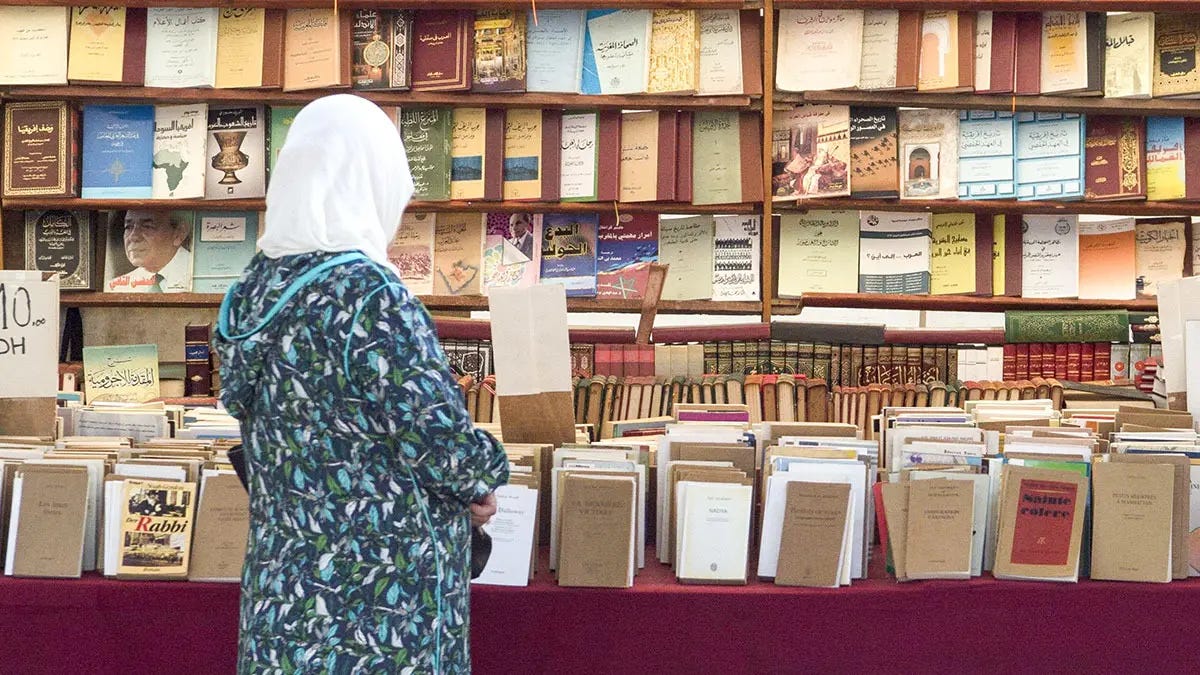
The 31st International Book and Publishing Fair (SIEL), taking place in Rabat from 30 April to 10 May 2026, was another significant element of this celebration. The scale of the event highlighted the importance of literature in Morocco. The fair brought together 700 exhibitors from 50 countries. It offered over 130,000 titles to readers. The programme was not limited to book displays. About 720 thinkers and creators took part in more than 204 cultural events. France was the Guest of Honour, offering opportunities for Moroccan and French writers, publishers and translators to exchange ideas. The fair also honoured Ibn Battuta, and travel literature was at the heart of many of the debates. The programme for the wider World Book Capital in Rabat includes 342 activities and 12 themes. These programs are intended to take books beyond the library and bookstore walls. Reading activities are being brought to hospitals, reform centres, orphanages, public squares and transport hubs. That’s why the year in Rabat is special.