

This week’s newsletter covers developments from 22-29 April,2026. From elections in Gaza and debates over women’s mobility in Bangsamoro to voter disenfranchisement and legal and social reform debates, these developments reveal liberty contested in different forms—through law, institutions, and civic resistance. Together, they offer a snapshot not only of pressures on freedom, but also of the openings through which reform continues to emerge.
Edraak News is our newsletter that honours the Muslim world’s diversity, reflected in the multitude of its socio-economic conditions and political institutions spanning across the continents. Traced back to its Arabic origins, إدراك encompasses timely and thorough insights into the developments of the Muslim-majority countries.
We organise the Muslim-majority countries into four zones as per their current conditions of conflict, transition, stability, and development.
Zone I: Experiencing War, Conflict, Oppression, Genocide
Gaza holds its first election in 20 years with 21% turnout
On 25 April, Palestinians voted in the first local elections held in Deir al-Balah, central Gaza, in over two decades. Turnout was only 21.2% of registered voters; candidates were required to accept the PLO programme, recognising Israel and renouncing armed struggle, effectively barring Hamas. Fatah-backed candidates and independents swept both the Gaza pilot and West Bank elections. Hamas did not field candidates and did not block the vote. Palestinian PM Mustafa called it “another step toward full independence.” The Palestinian Authority has not held a presidential election in 21 years. President Mahmoud Abbas is 90. The vote covered local councils governing water, roads, and electricity, but not politics.
Zone II: Transition toward Peace and Stability
Bangsamoro Darul-Ifta rules Muslim women must not travel for work without a mahram
The Bangsamoro Autonomous Region’s official Islamic advisory body issued Fatwa No. 7, declaring women’s work travel without a male guardian impermissible under Shariah, citing Sahih Bukhari and Muslim: “A woman must not travel except with a mahram.” The ruling applies even when the work itself is halal. While not legally binding under Philippine law, BDI fatwas carry strong normative authority in BARMM. The ruling sits in direct tension with 1.3 million Filipina overseas workers whose remittances anchor household economies across Mindanao. The BDI’s fatwa applies a Hanbali-leaning reading against a scholarly majority that grounds the mahram requirement in safety conditions, not categorical prohibition. Its practical consequence is not theological clarity but economic exclusion, restricting the primary income pathway for thousands of Bangsamoro women in a region where male employment is itself constrained by conflict and underdevelopment.
Zone III: Stable but Economically Struggling
1.7 million Muslim voters disenfranchised in Bengal
West Bengal’s state elections began this week under a documented disenfranchisement crisis. A Special Intensive Revision removed approximately 9 million names from electoral rolls, 12% of the electorate, in the months before polling. Of 2.7 million pending tribunal cases as of 17 April, 65% involved Muslim voters. A BJP leader publicly acknowledged that the 1.7 million affected Muslim voters are “largely anti-BJP.” The removals follow a documented pattern of disproportionate exclusion of Bengali-speaking Muslim communities, with the UN’s CERD having formally cited racial discrimination. Phase 1 polling proceeds regardless, making this election a serious attempt to subdue the individual liberty of these voters.
Islamic nafaqah legally recognised as basis for civil reimbursement
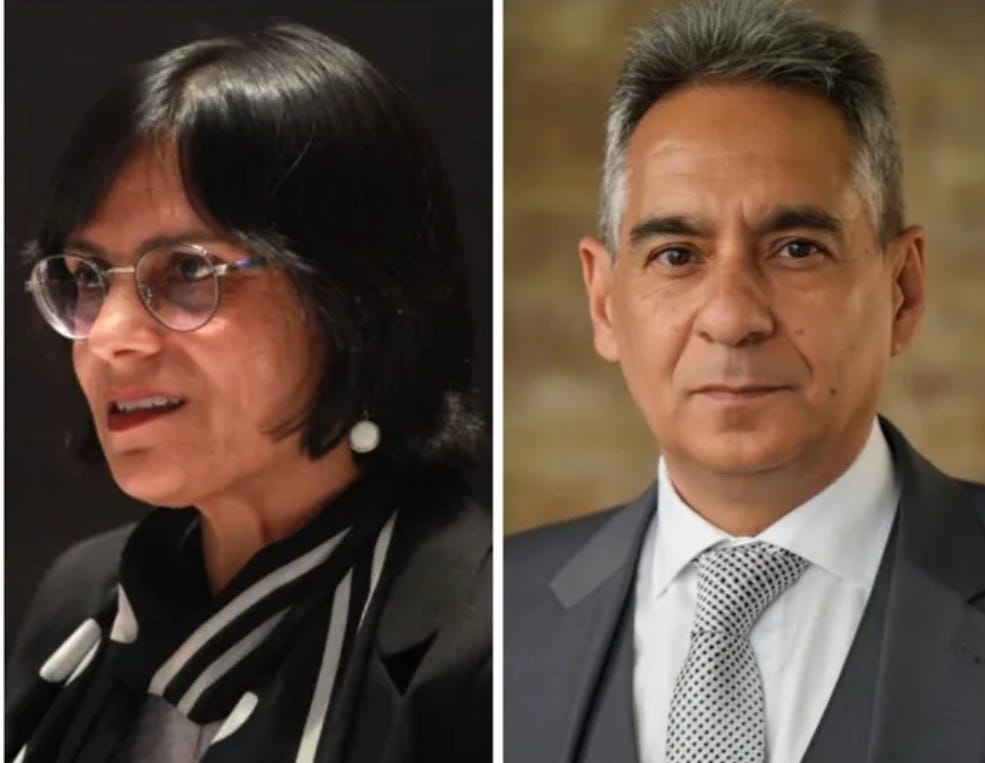
Recently Judges Pangarker and Higgins overturned the Wynberg Magistrate’s Court to rule that nafaqah constitutes a “normative backdrop” in South African civil law. Attorney Yasmeen Moollajie covered rent, groceries, and medical bills during her 2020 nikah while husband Samiulla Parker was under debt review. The lower court dismissed her R150,000 claim as voluntary gifts; the High Court found Islamic law presumes unpaid maintenance is a qard (loan), not a gift, unless explicitly waived — which it was not. Building on the Divorce Amendment Act 1 of 2024 and Constitutional Court recognition of Muslim marriages, this is the first reported South African High Court ruling to use nafaqah as an actionable civil foundation for financial reimbursement between divorced Muslim spouses.
Zone IV: Developed or Emerging Economies with Peace and Stability
Morocco’s Justice Minister declares gendered testimony rules “belong to the Middle Ages”
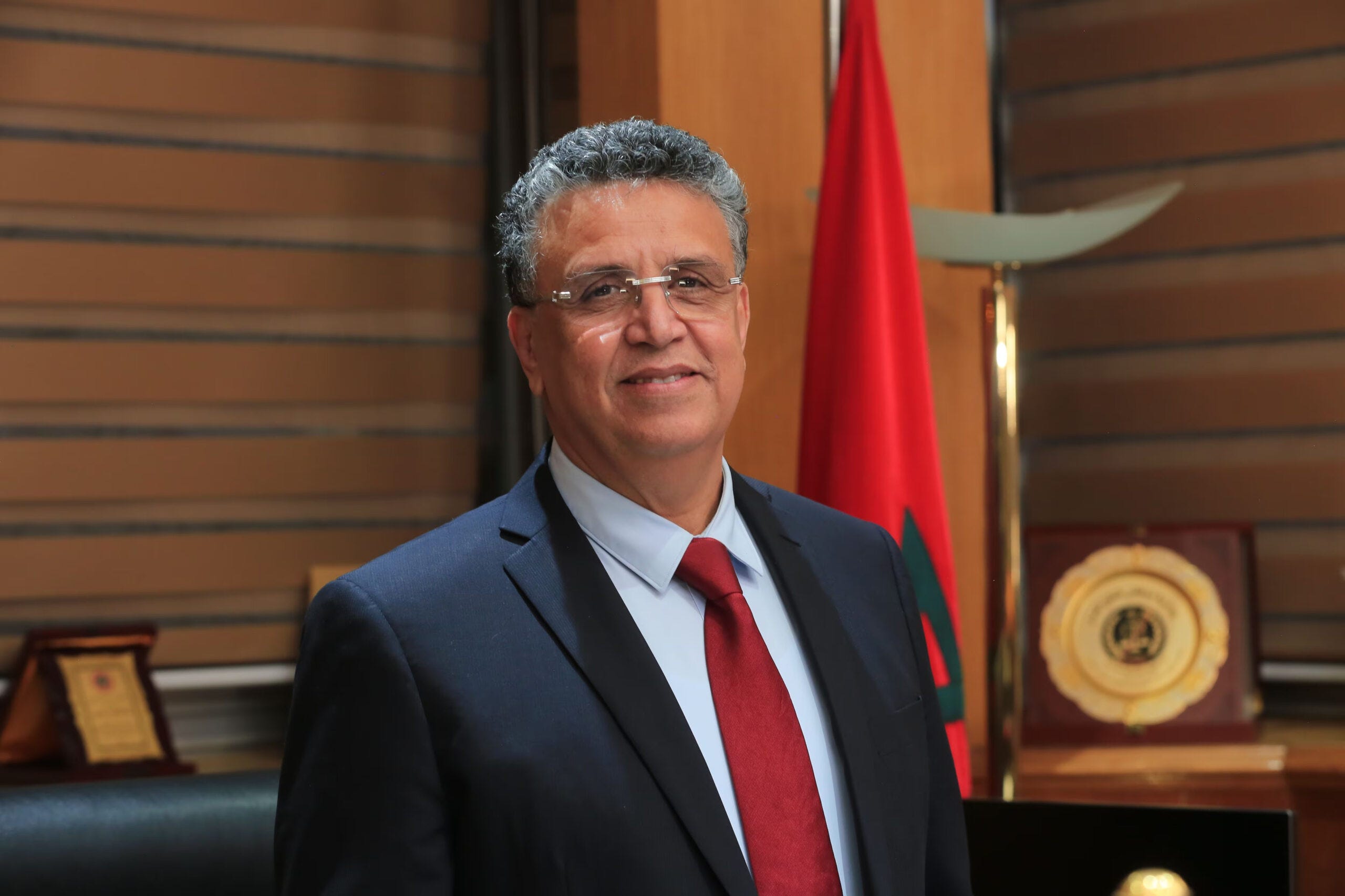
Justice Minister Abdellatif Ouahbi told the National Human Rights Council on 24 April that women’s testimony should carry equal legal weight to men’s, which directly challenges the application of Surah Al-Baqarah’s principle that one man’s testimony equals two women’s. He questioned how a female judge can overturn a multi-male contract if a woman’s prior testimony in the same process carries half the legal weight. He also argued that judicial discretion, not statutory gender rules, should govern witness requirements. The PJD’s Abdullah Bouano immediately warned of legal ambiguity. Ouahbi’s remarks land in the middle of Morocco’s still-unresolved Moudawana reform. His challenge to gendered testimony is theologically contested but politically significant: it reframes an Islamic jurisprudential principle not as religious obligation but as institutional logic requiring judicial scrutiny. Whether it advances into legislation depends on the Higher Council of Ulemas, which has already blocked DNA paternity tests and inheritance equality in the same reform cycle.
Ahmed Shihab-Eldin: arrested and held 52 days in secret, acquitted on 23 April — the full arc
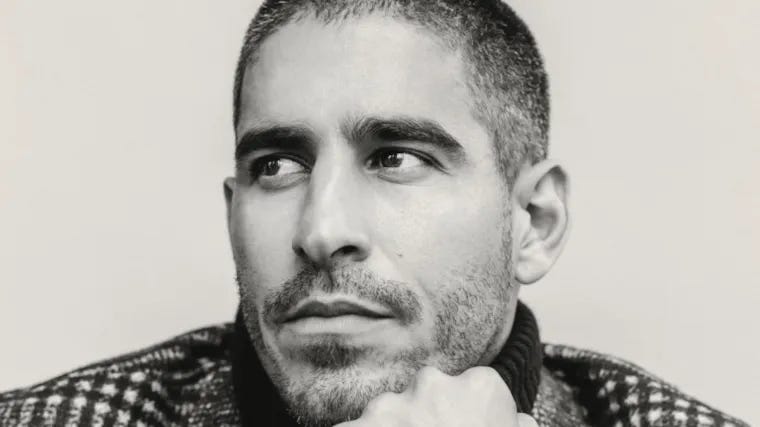
On 2 March 2026, award-winning Kuwaiti-American journalist Ahmed Shihab-Eldin shared publicly available, CNN-verified footage on his Substack showing a US fighter jet accidentally shot down by Kuwaiti air defences. He was arrested the following morning and held incommunicado for six weeks before his detention became publicly known. Kuwait’s wartime Law No. 13 of 2026, enacted 15 March, criminalises disseminating information that “undermines confidence in military entities”, carrying up to 10 years’ imprisonment. On 23 April, a Kuwaiti court, notably the first ruling by a newly established state security court, acquitted him of all charges. He walked free after 52 days.
The acquittal is a liberty outcome, but the architecture of repression it revealed remains. The court’s existence, that acquitted Shihab-Eldin, formalises wartime press suppression as a permanent institutional feature. His detention accomplished its chilling effect: the National Press Club noted that Kuwaiti authorities had signalled that sharing content counter to official narratives “will invite retribution, including jail time or worse.” Acquittal is not the same as freedom of the press.
Article Pick

Edraak Weekly Round-up
Edraak Blogs:
Decree-Law 54 and the Shrinking Space for Free Speech in Tunisia
Refugees, Dignity, and Freedom in Pakistan
The Psychology of Freedom: Why Some Muslim Societies Resist Liberal Ideas
Faith and Free Markets: Is Capitalism Compatible with Islamic Ethics?
Indonesia and Islam: Can the World’s Largest Muslim Country Model a Different Kind of Freedom?
Saudi Arabia’s Reform Paradox: Are Expanding Women’s Rights Redefining Freedom—or Rebranding It?