

A free press is often described as the first line of defense against authoritarianism. When journalists can investigate those in power without fear, citizens remain informed, and governments remain accountable. When the military decides who can report the news, concerns about political control grow. Uganda’s recent crackdown points to this direction. Uganda’s 1995 Constitution protects freedom of expression and the press under Article 29(1)(a). Article 41 also guarantees the right to access information. However, these rights have often been limited in practice. Governments have used restrictive laws, arrests, intimidation, and media closures to silence critical reporting. Although Article 43 allows reasonable restrictions, critics argue it has increasingly been used to limit press freedom.
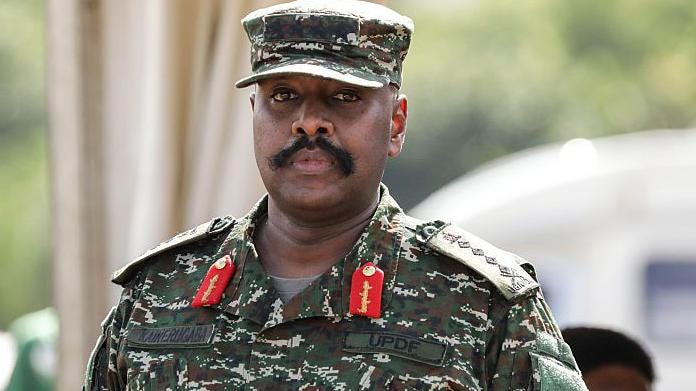
The latest crackdown marks a significant escalation. On 28 June 2026, UPDF soldiers surrounded the Nation Media Group (NMG) headquarters in Kampala. They blocked access, cut electricity, and shut down the Daily Monitor, NTV Uganda, Spark TV, and affiliated radio stations. The operation reportedly bypassed the Uganda Communications Commission (UCC), the country’s media regulator. It was instead ordered directly by Chief of Defence Forces Gen. Muhoozi Kainerugaba. More than 1,100 employees were affected, while millions of Ugandans lost access to some of the country’s most influential independent news platforms.
The official statements were more alarming. On X, Gen. Muhoozi declared, “I DO NOT believe in a free press! The press should be guided by cadres of the revolution.” He later added, “Both NTV and Monitor will not re-open without my permission,” before stating, “From now on ALL bad stories about Uganda have to be cleared by my office.” These remarks question editorial independence. They suggest the military, not journalists, should decide what information is shared with the public. This reflects a broader shift in civil-military relations. Instead of staying outside politics. The military is playing a growing role in shaping public debate and limiting democratic space. Federation of Eastern Africa Journalists (FAJ) President Omar Faruk Osman said, “What is unfolding in Uganda today is a naked assault on media freedom in broad daylight.
The closure of Nation Media Group also follows a familiar pattern. Independent Media outlets have repeatedly been targeted for reporting on corruption and elections. In 2013, Daily Monitor and NTV were shut down for publishing reports on the alleged “Muhoozi Project,” which linked senior officials to a succession plan involving the president’s son. Uganda has seen similar crackdowns since 2002. Internet shutdowns and arrests of journalists remain recurring issues. The recent crackdown marked a major expansion of military influence over independent media. The impact is not limited to journalists. When independent media are restricted, people lose access to reliable information. This reduces public accountability and weakens democratic institutions.
This also raises broader questions about civil-military relations. In The Soldier and the State, political scientist Samuel Huntington explained the importance of civilian control of the military. He argued that in a democracy, the military should remain under civilian authority and stay out of politics. When military leaders begin shaping public debate and controlling information, the boundary between military and civilian institutions becomes less clear. The recent crackdown may not be a temporary event. It could become a turning point for democracy and press freedom in Uganda.