

A Kurdish classroom in Qamishli, a Moroccan courtroom without lawyers, and a Nigerian NGO bracing for new paperwork rules that could decide whether it survives. Across eight countries this week, the same question keeps resurfacing in different disguises: who gets to decide the terms of belonging, and who pays when those terms shift? Senegal borrowed $2.2 billion and promised to protect its most vulnerable while doing it. Pakistan’s Parliament passed sweeping security legislation while the opposition walked out the door. In Malaysia, Kuwait, and Indonesia, national celebrations and cultural programming offered a gentler reminder of how states and markets alike can shape the stories people tell about who they are. Eight stories, one thread: liberty is negotiated quietly, in classrooms, courtrooms, and convention centers.
Edraak is our newsletter that honours the Muslim world’s diversity, reflected in the multitude of its socio-economic conditions and political institutions spanning across the continents. Traced back to its Arabic origins, إدراك encompasses timely and thorough insights into the developments of the Muslim-majority countries.
We organise the Muslim-majority countries into four zones as per their current conditions of conflict, transition, stability, and development.
Zone I: Experiencing War, Conflict, Oppression, Genocide
Senegal Signs $2.2 Billion IMF Deal
Senegal and the IMF reached a staff-level agreement on a $2.2 billion, three-year programme to restore debt sustainability, per the IMF announcement. Reforms include greater domestic revenue mobilisation, tighter expenditure controls, stronger oversight of state-owned enterprises, and measures to improve the business environment and financial inclusion, alongside strengthened targeted cash transfers for vulnerable households. The real test of economic liberty here is not the fiscal discipline itself but the follow-through: reforms can widen opportunity if they genuinely lower barriers to entry, or narrow it if austerity lands hardest on the households the cash transfers are meant to shield.
Zone II: Transition toward Peace and Stability
Kurdish Language Rights Test Syria’s New Unity
Days after Kurdish-led forces formally integrated into Syrian state institutions on August 21, parents and students in Qamishli protested a decision limiting Kurdish-language instruction to three lessons a week, demanding Kurdish-medium curricula instead. Kurdish political figures said integration “does not resolve outstanding questions about Kurdish cultural and political rights.” A seat at the state’s table is not the same as the freedom to educate your children in your own language, and Damascus’s unity narrative is being tested in a classroom in Qamishli well before it is tested anywhere else.
Zone III: Stable but Economically Struggling
Nigeria’s Foreign Aid Bill Alarms Civil Society
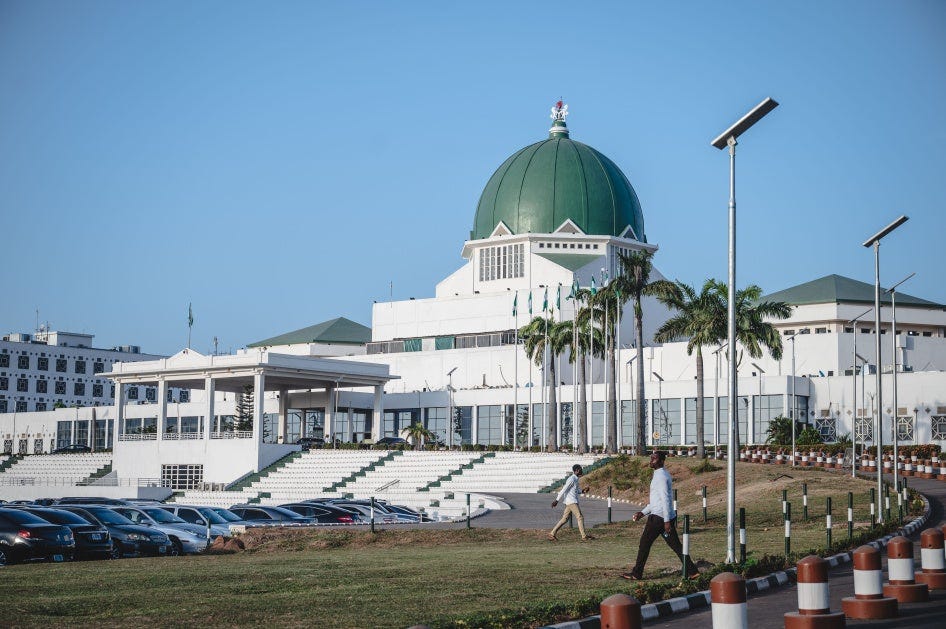
A proposed Foreign Aid (Regulation, Transparency and Disclosure) Bill 2026 is drawing formal objections from Nigerian civil society. SERAP and the Nigerian Guild of Editors warn it could give government broad powers over any organisation receiving foreign assistance, including NGOs, independent media, religious groups, and humanitarian actors, through mandatory registration and disclosure rules. The bill looks procedural on its face, but a government that controls the paperwork required to receive foreign funding controls, indirectly, which watchdogs and outlets can keep operating, making this a direct test of civic space rather than a technical filing requirement.
Moroccan Lawyers Extend Strike Over Judicial Reform
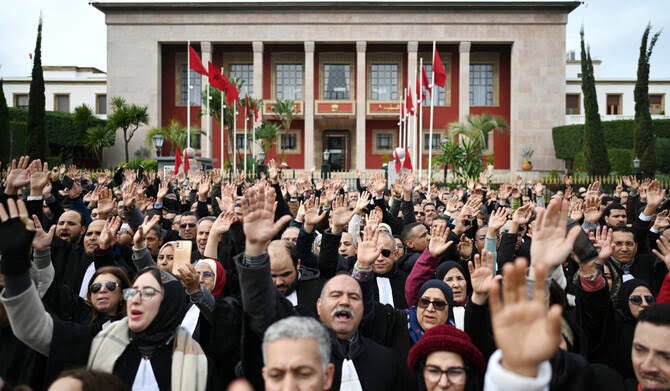
Morocco’s lawyers announced they will continue their nationwide strike, now in its third month since it began in June, over judicial reforms that undermine the legal profession’s independence. Bar associations say they are defending “the independence of the profession, the immunity of the defense, and its organizational autonomy,” and want the reforms withdrawn. The strike has disrupted litigants’ access to legal representation nationwide. Judicial independence is usually debated as a constitutional principle, but here its erosion is being measured in real time by ordinary Moroccans left without a lawyer while the profession fights for its own autonomy.
Pakistan Passes Military Bills Amid Walkout
Pakistan’s National Assembly passed bills reshaping the National Command Authority and defence-force structures on August 20, with opposition members walking out over how the legislation was introduced. The content matters less than the process: legislation touching the country’s most powerful security institutions passed without the elected opposition’s participation. That is a political-liberty question in its own right, going to whether Pakistan’s civilian institutions can meaningfully check, or even scrutinise, the security establishment when it moves to entrench its own authority through fast-tracked legislation.
Zone IV: Developed or Emerging Economies
Malaysia’s Merdeka Invites Prosperity
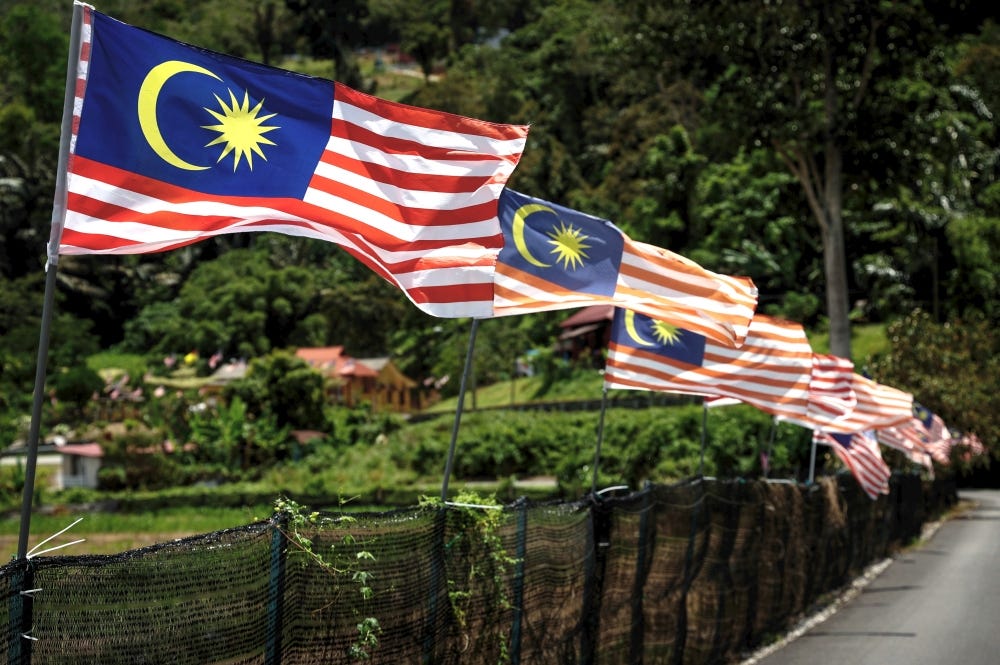
Malaysia marked its 69th National Day on August 31 with a Putrajaya parade drawing tens of thousands, under the theme “Malaysia MADANI: Kesejahteraan Dinikmati” (shared prosperity). The Merdeka programme included RIUH Merdeka’s free family activities and multicultural performances. Alongside it, an Agriculture, Horticulture and Agrotourism Exhibition that opened August 28 drew 1.8 million visitors and nearly RM6 million in sales within three days, targeting RM58 million overall. The pairing of pageantry with genuine commerce shows how the state narrates unity, prosperity and multiculturalism as one story, even as that story is contested elsewhere in the country.
Kuwait Teaches National Identity
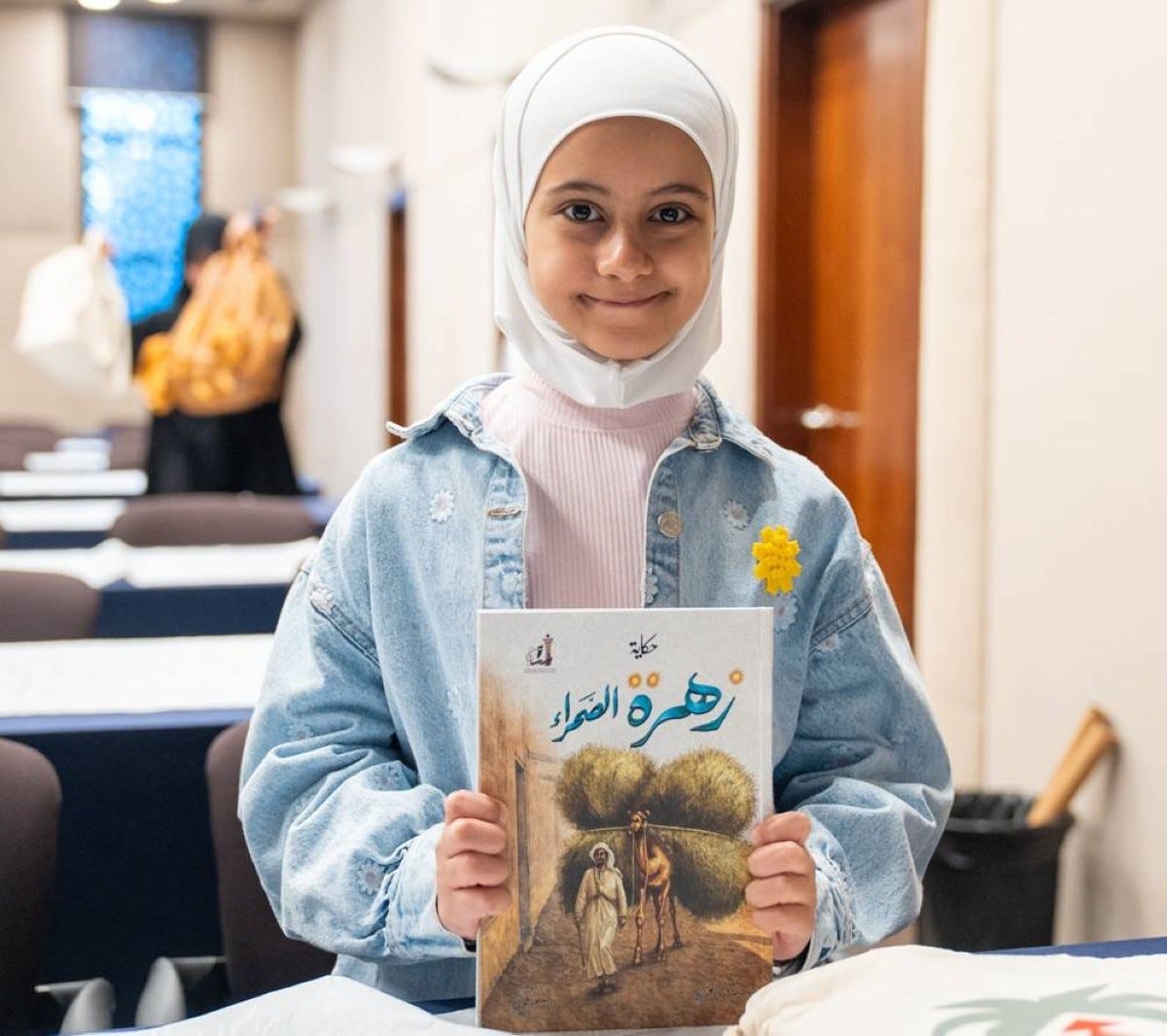
Kuwait’s National Council for Culture, Arts and Letters built a children’s event around the Arfaj, the country’s national flower, as part of its Summer Cultural Festival. Children aged five to twelve took part in storytelling, drawing, and craft activities designed around resilience, belonging, and national identity. Cultural liberty rarely makes headlines at this scale, but state-run identity programming aimed at five-year-olds is exactly where a country’s narrative about belonging gets built first, well before it ever reaches a courtroom, a newsroom, or a ballot box.
Indonesia’s Muslim LifeFest Merges Faith and Commerce
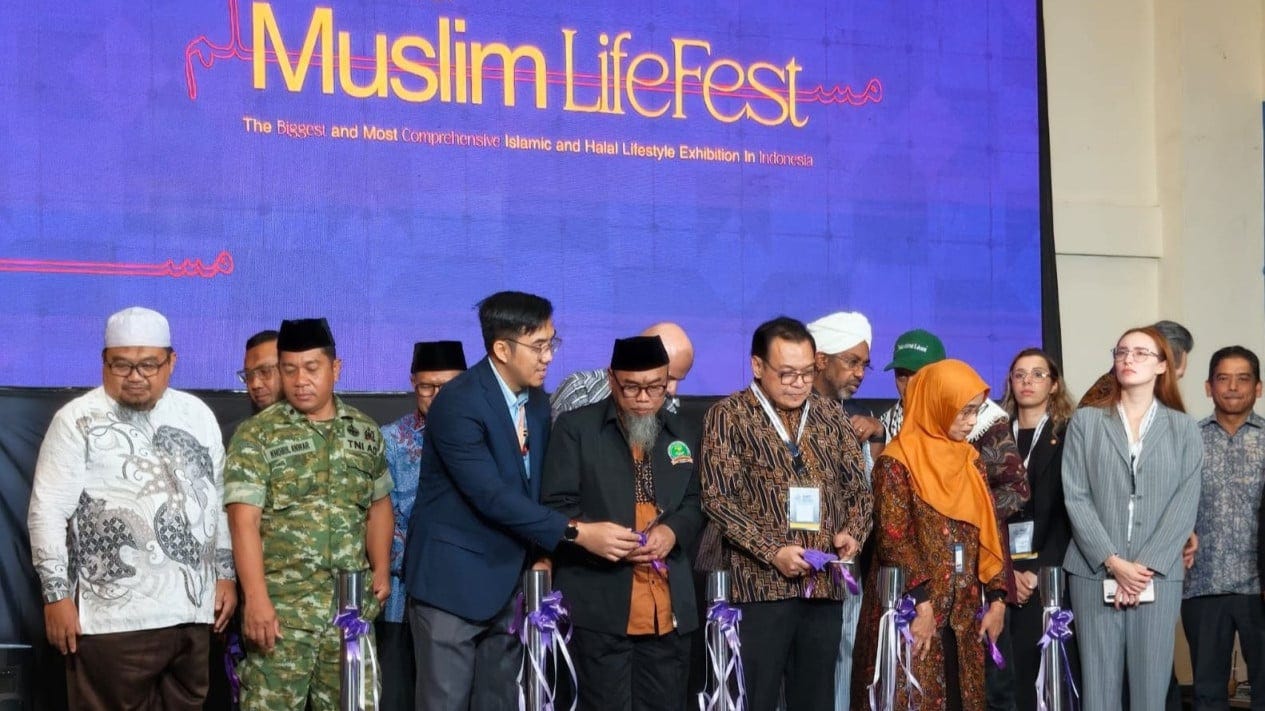
Indonesia hosted Muslim LifeFest 2026 from August 28 to 30 at the Indonesia Convention Exhibition, alongside the 25th IFRA Business Expo, bringing businesses, franchise brands, Muslim consumers, and entrepreneurs into one space. IFRA featured franchising and licensing opportunities, while LifeFest placed lifestyle, commerce, and religious identity in the same marketplace. This is economic liberty expressed through consumer choice rather than legislation: a halal-consumer economy large enough to support its own franchise ecosystem is, in effect, Indonesian Muslims voting with their spending on what a modern, faith-anchored lifestyle looks like.
