

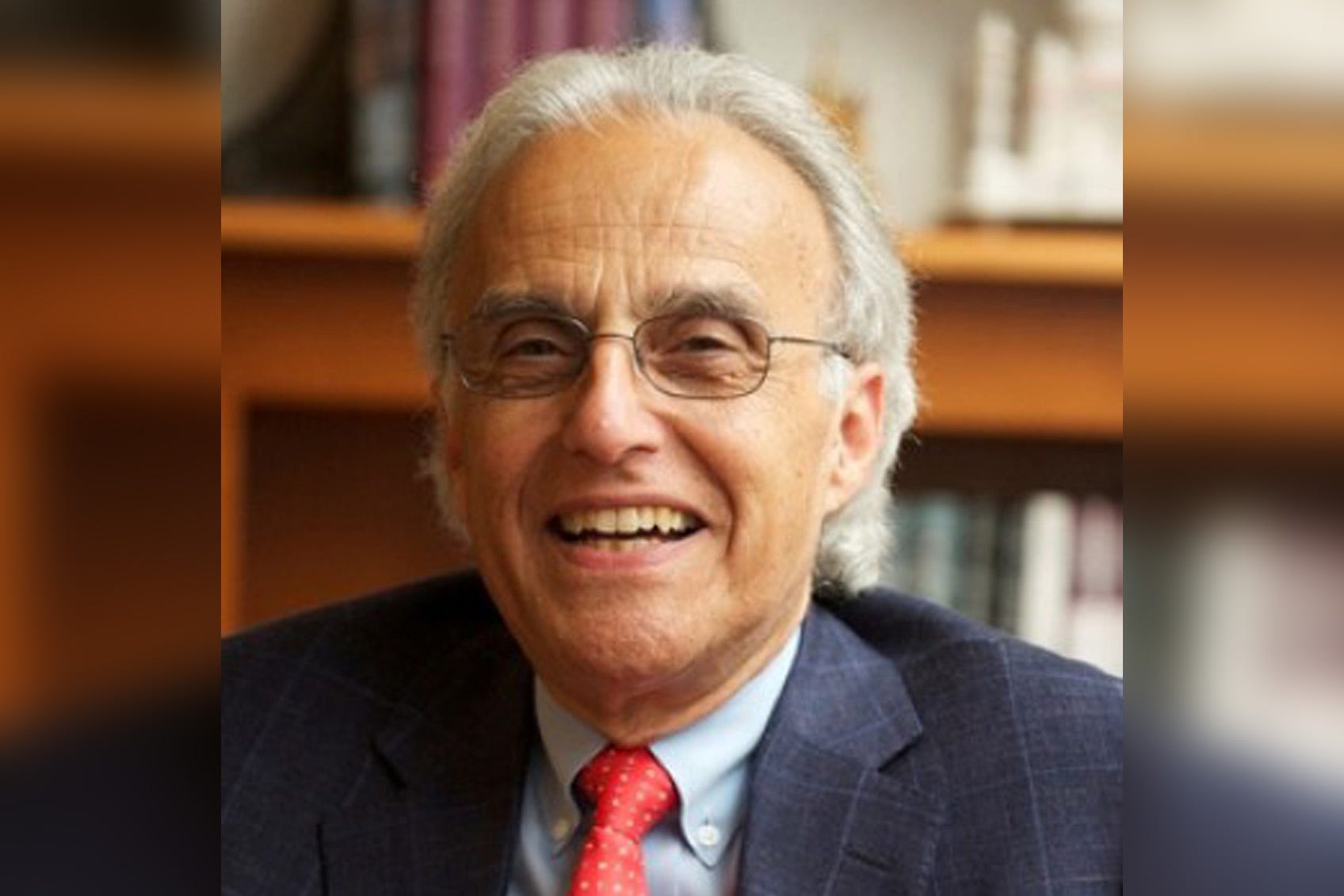
Some scholars leave behind more than books. They leave ideas that continue to shape public debate for generations. John L. Esposito was one of those scholars. On July 15, 2026, he died at age 86, leaving behind years of scholarship that have changed the perception of millions of people of Islam and the Muslim world. Esposito was born in Brooklyn, New York, on May 19, 1940, and studied philosophy before receiving his doctorate in Islamic studies from Temple University. He devoted more than five decades to researching Islam, politics, and interfaith relations. As he progressed through his career, he remained steadfast in his quest to dispel misconceptions with informed discussion.
Esposito served as Professor of Religion and International Affairs and Islamic Studies at Georgetown University. He also founded the Prince Alwaleed bin Talal Center for Muslim-Christian Understanding. Under his leadership, the center became one of the world’s leading institutions for the study of Islam and relations between Muslims and the West. He has also served as a consultant to governments, international institutions, journalists, and policymakers on matters concerning Muslim societies. His work included political Islam, democracy, Islamic law, globalization, extremism, and Muslim societies around the world. Esposito was one of the first American scholars allowed to go to Iran and interview the ayatollah and his family. He did not portray Islam as a monolithic tradition. However, emphasized the diversity of Islam. To understand them, it is necessary to consider their history, culture, and political situations they live in.
He is the author of the best-known books: Islam: The Straight Path, The Islamic Threat: Myth or Reality? What Everyone Needs to Know About Islam, Who Speaks for Islam?, The Future of Islam, Islam and Democracy, Unholy War: Terror in the Name of Islam, Islamophobia: The Challenge of Pluralism in the 21st Century, and The Oxford Dictionary of Islam. Students, researchers, and policymakers globally used these books as key reference texts.
Across 55 books and a distinguished academic career, Esposito challenged the “Clash of Civilizations” theory and worked to bridge divides between Muslims and the West. After the terrorist attacks of 9/11, Esposito became one of the most prominent voices advocating for the separation of Islam from acts perpetrated by extremist groups. He always insisted that terrorism should not be the name of a religion that is practiced by almost two billion people. His evidence-based approach won him respect in both Western and Muslim societies. The impact of John L. Esposito’s work reaches beyond the classroom walls. John L. Esposito presents an argument in The Islamic Threat: Myth or Reality? That the West is misinterpreting Islam. He rejects the false notion that Islam is inherently violent or anti-Western. In today’s polarized and misinformed times, his legacy will continue to serve as a reminder that knowledge is one of the most effective ways to bridge understanding.