

This newsletter covers development across four zones with contradictions. In Niger and Mali, the state's coercive machinery treats civilians and dissidents as interchangeable threats, with impunity built into the system rather than failing it. In Chad and Gambia, transitional language does real work, concealing where accountability actually stands. In Tunisia, a 75-year-old former human rights commissioner draws 25 years for documenting the very abuses her country once promised to reckon with, while Pakistan's Punjab, at least this week, backed off reviving a colonial-era surveillance law after public pressure actually worked. And in Qatar and Turkey, low taxes and open capital markets are delivering exactly what their advocates promise: investment, jobs, competitiveness.
Edraak is our newsletter that honours the Muslim world’s diversity, reflected in the multitude of its socio-economic conditions and political institutions spanning across the continents. Traced back to its Arabic origins, إدراك encompasses timely and thorough insights into the developments of the Muslim-majority countries.
We organise the Muslim-majority countries into four zones as per their current conditions of conflict, transition, stability, and development.
Zone I: Experiencing War, Conflict, Oppression, Genocide
UN finds Niger’s detention of civil society leader Moussa Tiangari arbitrary
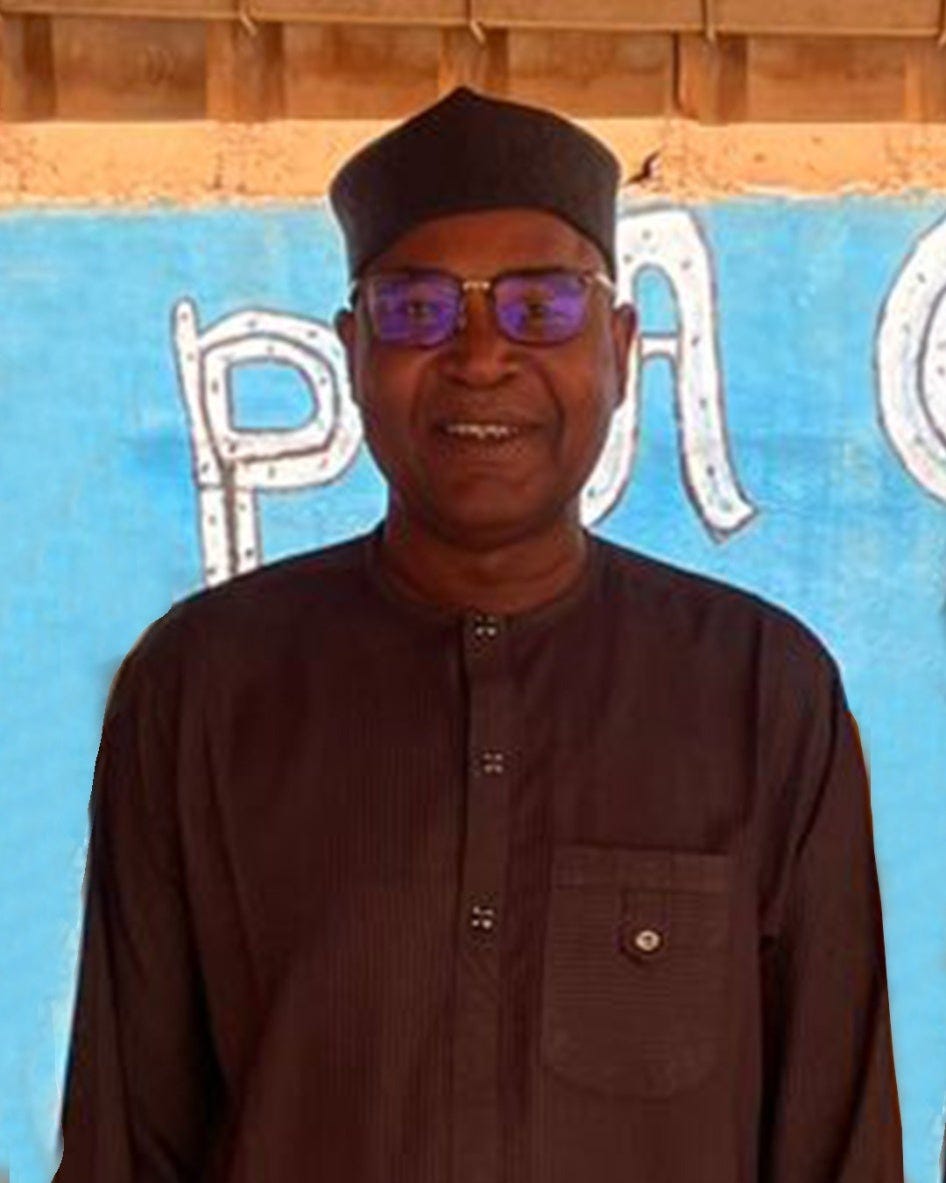
The UN Working Group on Arbitrary Detention ruled on 23 June that Moussa Tiangari, secretary general of Alternative Espaces Citoyens and a prominent junta critic, has been unlawfully detained since his arrest on 3 December 2024. Charged with “terrorism apology” and “plotting against state authority through collaboration with enemy powers,” he was held incommunicado for two days before being located at Niger’s Central Service for Combating Terrorism. The UN called for immediate release, reparations, and an independent investigation into his detention. Niger’s junta has simultaneously stripped a second exiled opposition leader of citizenship this month. Tiangari’s detention sits at the centre of a pattern: civil society targeted by the same apparatus deployed against terrorists, because the junta finds them equally threatening.
Mali: 38 civilians killed by the army and militias since April
HRW’s 28 June report documents that since JNIM and the FLA’s coordinated April offensive, Malian armed forces and Dozo ethnic militias have killed at least 38 civilians, including 23 children, in counterinsurgency operations. Soldiers have also killed 31 Fulani civilians in Sarkala Werè village, burned homes, and looted 700 animals; satellite imagery confirmed 25 burned huts. The army also conducted two apparent drone strikes killing 22 people, including 12 children and teenagers. JNIM separately killed civilians and burned vehicles. JNIM announced a “total siege” of Bamako on 28 April; schools have been closed. Equating community identity with insurgent affiliation has been Mali’s operating counterinsurgency doctrine for years. Its consequence is a civilian population absorbing lethal violence from every direction: jihadist groups, state forces, Russian Africa Corps fighters, and ethnic militias. Impunity is not an institutional failure in Mali; it is institutional design.
Zone II: Transition toward Peace and Stability
Chad: N’Djamena Crackdown Nets 29 Suspects
Chad’s National Police announced the identities of 29 individuals arrested in coordinated N’Djamena raids between May 15 and June 1, on charges spanning weapons trafficking, aggravated robbery, and illegal immigration. Authorities framed it as ordinary law enforcement but it is worth watching against the backdrop of Chad’s broader pattern. The same weeks saw opposition leader Succès Masra convicted on incitement charges tied to intercommunal violence, and September’s constitutional amendments stripped presidential term limits. In a state where “criminal” and “political” prosecutions increasingly blur, routine-sounding crackdowns deserve scrutiny for whether due process, not just public order, is being served.
Gambia: Peacebuilding Week Wraps, Claims Progress
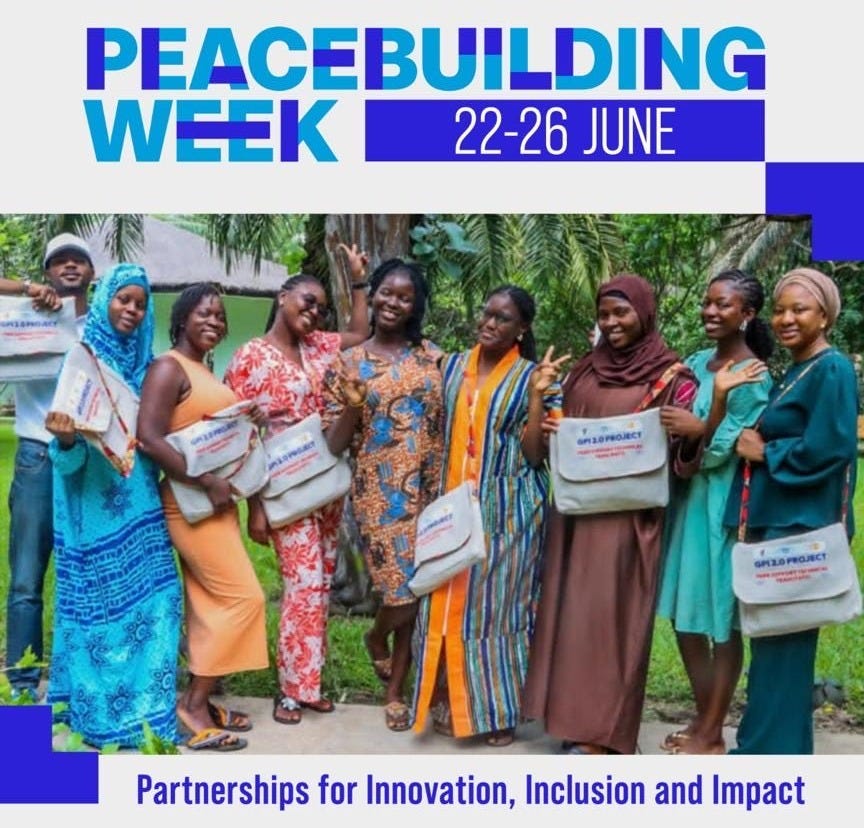
The UN and Gambian government closed a joint Global Peacebuilding Week (June 22–26), spotlighting gains in social cohesion, democratic governance, and transitional justice since the Jammeh era. A documentary premiere and youth-focused events anchored the celebration. The framing is notable, running alongside quieter but harder-edged stories the same week: a corruption inquiry into a former Army Chief, contested handling of forfeited Jammeh-era land, and unresolved questions about who benefits from transitional justice mechanisms. The optics of progress and the substance of institutional accountability aren’t yet the same thing.
Zone III: Stable but Economically Struggling
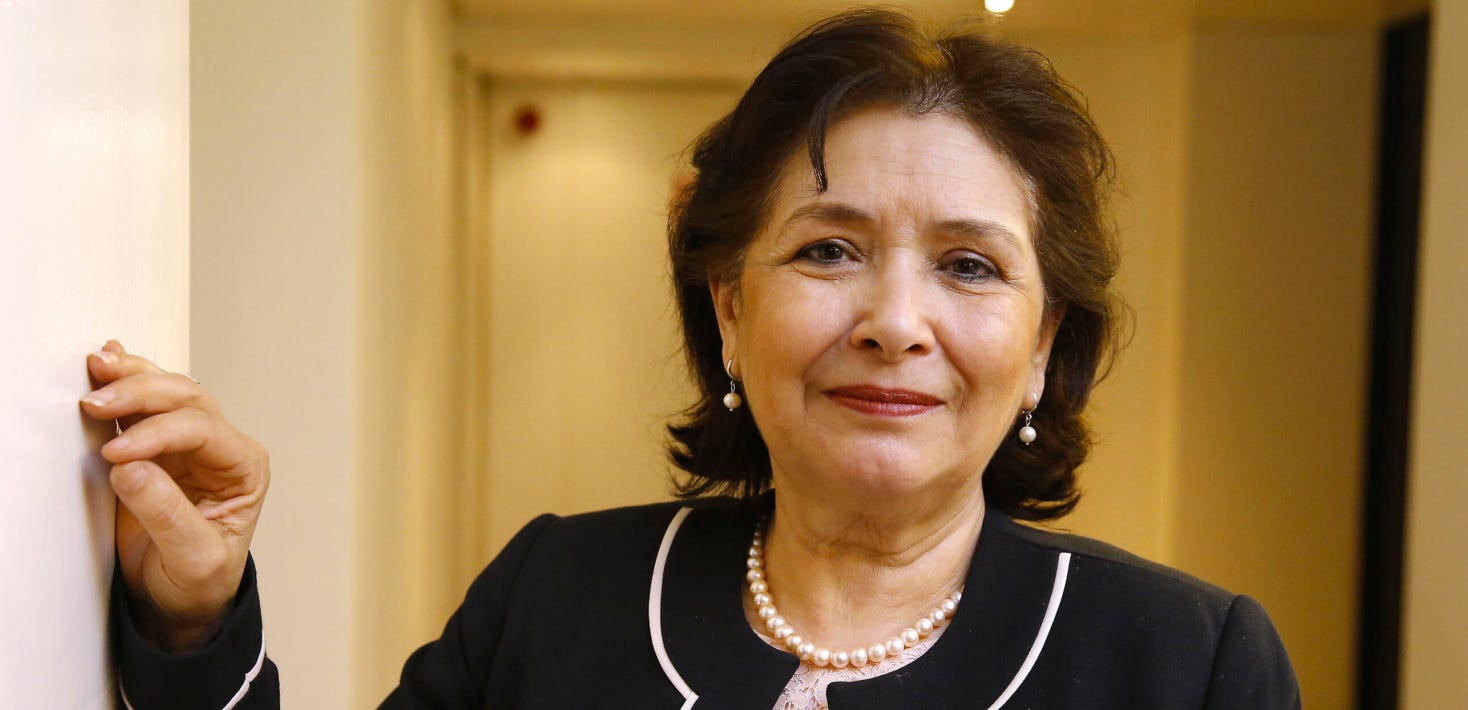
Sihem Bensedrine, 75, sentenced to 25 years on 26 June for her work running Tunisia’s Truth and Dignity Commission
A Tunis court sentenced Sihem Bensedrine, former president of the IVD, Tunisia’s transitional justice commission, to 25 years in prison on 26 June, on charges of fraud, forgery, and abuse of office. The charges relate to her work documenting human rights violations committed between 1955 and 2011. Amnesty International was denied entry to both trial hearings on 18 and 25 June, despite the trial being public. Bensedrine was arrested in August 2024, released on bail in February 2025 after a hunger strike, and convicted four months later. HRW’s Bassam Khawaja described the sentence as reflecting “the cruelty of Saied’s government to strangle human rights.”
Pakistan Punjab’s Habitual Offenders Bill 2026: an attempt to revive the Colonial Criminal Tribal Act of 1871
The Punjab government of Pakistan withdrew the Punjab Control of Habitual Offenders and Anti-Social Behaviour Bill 2026 on 1 July after a wave of opposition from PTI, HRCP, lawyers, and civil society. The bill would have empowered District Intelligence Committees to declare individuals “habitual offenders” based on arrests, not convictions, and authorised freezing bank accounts, blocking national identity cards, confiscating phones, removing online content, and placing individuals under continuous electronic surveillance. Spreading “false news on social media” was classified as anti-social behaviour. The Speaker had halted passage on 28 June after learning the bill was tabled without his knowledge. Dawn’s analysis traced it directly to the Criminal Tribes Act of 1871.
Zone IV: Developed or Emerging Economies with Peace and Stability
Qatar ranked No. 1 in the region and among the world’s best in the IMD World Competitiveness Yearbook 2026
Qatar was ranked first in the Arab world and among the top global performers in the IMD World Competitiveness Yearbook 2026, which was announced on June 24. Produced by Switzerland’s Institute for Management Development, the ranking assesses 67 economies across economic performance, government efficiency, business efficiency, and infrastructure. Taxation is a major thread running through that performance. Qatar levies no personal income tax, no consumption tax, no capital or property taxes, and no social security contributions on expats. This light-touch tax burden feeds directly into the ranking’s other headline numbers: the world’s lowest unemployment, high disposable income, and strong entrepreneurship (4th globally). It’s a clean case study in minimal taxation correlating with capital inflows, business formation, and worker retention, though one that rests heavily on hydrocarbon revenue substituting for tax income, rather than fiscal restraint alone.
Turkey: Law No. 7582 Opens a 20-Year Tax Door
Published in Turkey’s Official Gazette last month, Law No. 7582 marks the country’s boldest tax liberalization in years. New residents who haven’t been Turkish tax residents for three years can now shield foreign-source income and capital gains from tax for 20 years. Manufacturing exporters see corporate tax cut to 9%, other exporters to 14%, down from 25%. Inheritance tax for qualifying individuals drops to a flat 1%, and the Istanbul Financial Center’s incentive window stretches to 2047, a genuine bid to loosen the state’s grip on capital and talent amid lira weakness.
Article Pick
