

Edraak News is our newsletter that honours the Muslim world’s diversity, reflected in the multitude of its socio-economic conditions and political institutions spanning across the continents. Traced back to its Arabic origins, إدراك encompasses timely and thorough insights into the developments of the Muslim-majority countries. We classify the Muslim-majority countries into four zones as per their current conditions of conflict, transition, stability, and development.
This newsletter covers developments from 7 March 2026 to 17 March 2026, from the hereditary succession in Iran to the ongoing Afghan refugee crisis, provides updates from the D-8 Summit, and features two stories from OIC and CAIR in observance of the International Day to Combat Islamophobia.
We organise the Muslim-majority countries into four zones as per their current conditions of conflict, transition, stability, and development.
Zone I: Experiencing War, Conflict, Oppression, Genocide
This zone includes countries where violence, civil war, and mass atrocity crimes dominate daily life.
Iran: A Dynasty Declared
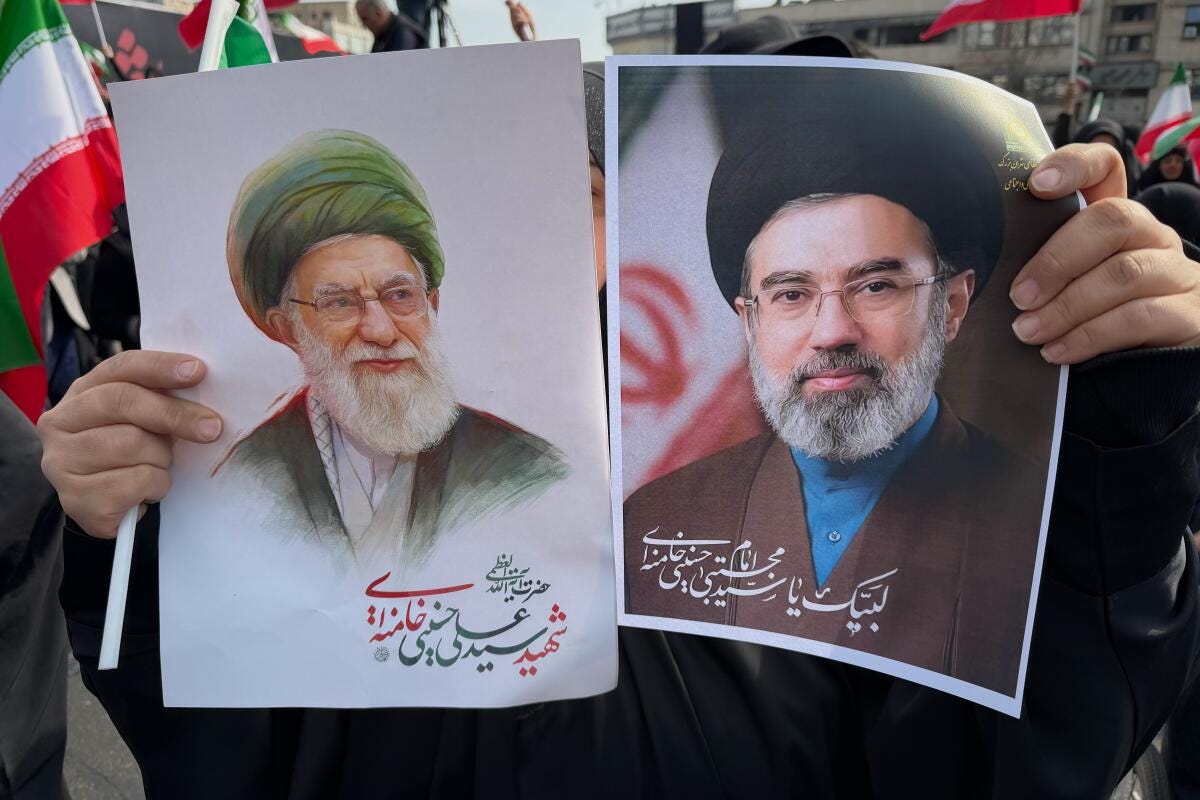
On March 8, Iran’s 88-member Assembly of Experts announced the election of Mojtaba Khamenei as the Islamic Republic’s third Supreme Leader since its founding in 1979. The announcement came after days of intense pressure by the IRGC and current global tensions. The succession carries deep contradictions, increasing challenges for political freedom in Iran. Although Iran’s ruling ideology formally opposes hereditary succession, Mojtaba had built a loyalty structure and was considered a potential successor by IRCG even before his father’s death, despite never having held elected office.
A recognition for media freedom: WAFA receives Media Professionalism Award
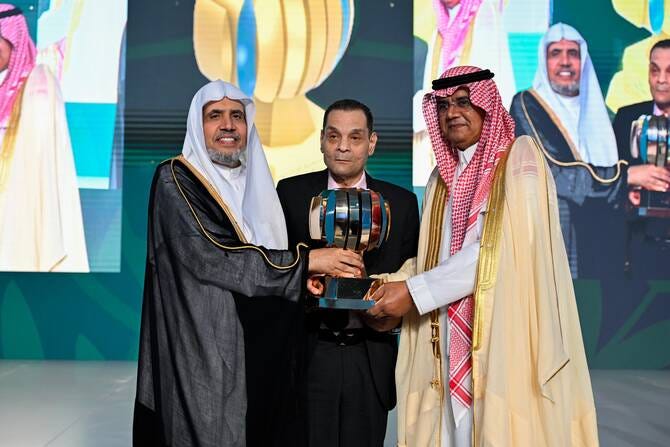
The Palestinian News and Information Agency WAFA received the inaugural Media Professionalism Award from the Union of News Agencies of the OIC during a Ramadan Forum in Jeddah. Palestinian Minister Ahmed Assaf noted that the recognition comes amid extremely challenging conditions, with WAFA having lost hundreds of journalists during Israel’s assault on Gaza while continuing to report daily under direct targeting by Israeli occupation authorities. Celebrating this recognition is, therefore, a celebration of the enduring power of free expression, where freedom and liberty persist even under threat. The award falls within the framework of the Jeddah Charter for Media Responsibility, a joint Muslim World League and UNA initiative establishing ethical standards for journalism and formally countering hate and Islamophobia in media.
Zone II: Transition toward Peace and Stability
Countries in this zone are emerging from conflict or undergoing volatile transitions. They are in the process of political reconstruction and institution building.
Afghan Refugees Crisis
A total of 341 Afghan refugees had been arrested during raids conducted in the tehsils and district headquarters of Swabi on Sunday. Amid escalating border tensions between Pakistan and Afghanistan, 7,015 Afghan migrants were arrested or detained across Pakistan, with over 150,000 deportations, according to UNHCR and IOM updates in Pakistan alone. The escalating tensions in Iran have also affected the livelihood of 750,000 Afghan refugees in Iran. These refugees have limited shelter, livelihoods, or protection. Many deported families had lived in Pakistan and Iran for decades, while some children had never even set foot in Afghanistan. The current situation reflects a troubling curtailment of the security of life at the expense of the regional crisis, where the fundamental right to live freely and without fear is increasingly being challenged.
Zone III: Stable but Economically Struggling
These countries enjoy relative peace and order, yet face fundamental economic, governance or social challenges.
D-8 Summit postponed
The D-8 Organization for Economic Cooperation Summit is a gathering of eight developing Muslim-majority countries aimed at strengthening economic cooperation, promoting trade, and advancing shared development goals among member states. Originally scheduled for April 13–15 in Jakarta, officials said the ongoing war and lack of de-escalation made it difficult to convene leaders safely. The delay underscores how geopolitical crises ripple, disrupting economic cooperation among Muslim-majority states. The summit was planning on deeper collaboration on trade, the halal economy, and digital connectivity through the D-8 framework. A new summit date has not yet been announced.
Senegal Doubles Prison Sentences for Homosexual Relations
Senegal’s parliament approved a bill on March 11 doubling the maximum prison sentence for same-sex relations to ten years, and imposing three-to-seven-year sentences for those advocating for LGBTQ rights. The measure passed overwhelmingly in the National Assembly and now awaits final approval from President Bassirou Diomaye Faye.
Zone IV: Developed or Emerging Economies with Peace and Stability
Zone IV encompasses those countries that have achieved a baseline of political or security stability, and which are now focused on economic growth, globalisation and strategic alignment.
OIC Marks International Day to Combat Islamophobia at UNESCO
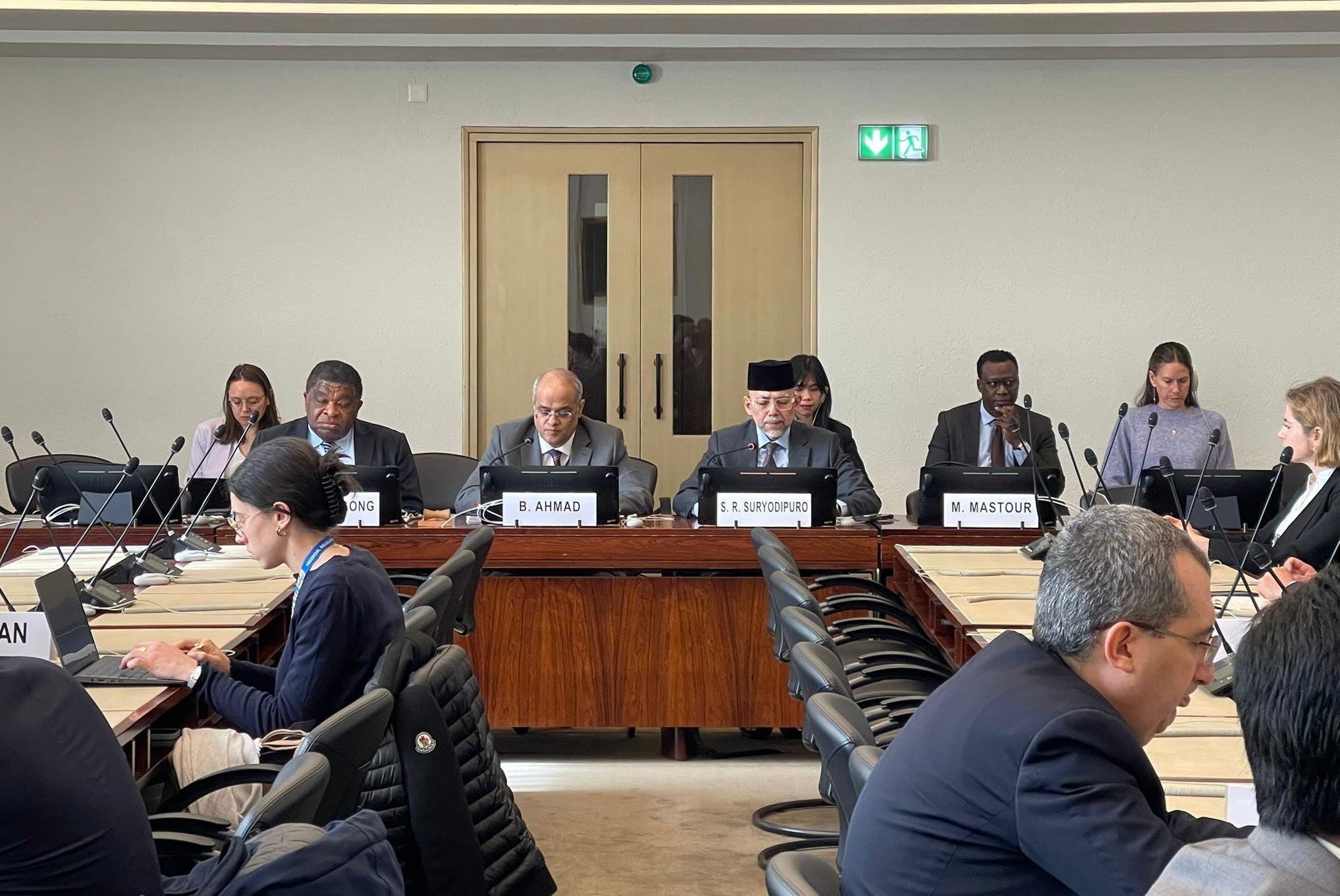
The Organization of Islamic Cooperation (OIC) observed the International Day to Combat Islamophobia with a high-level roundtable meeting at UNESCO headquarters in Paris on March 13. Addressing the audience during the meeting, OIC Secretary-General Hissein Brahim Taha stated that emerging technologies, mainly AI, are fueling Islamophobia. He urged countries, technology companies, and civil society organizations to strengthen cooperation in combating hate speech on social media.
CAIR Report: Record Islamophobia in the US — “The Right to Be Different” Narrowed
CAIR’s 2026 Civil Rights Report documented 8,683 discrimination complaints involving Muslims in the United States during 2025. Released March 10 and titled The Right to Be Different, this report marks the highest number of discrimination complaints since CAIR began tracking such incidents in 1996. CAIR researchers concluded that five federal bills were introduced in 2025 that would effectively ban the practice of Islam or bar Muslims from entering the United States, while a “Sharia-Free America Caucus” now claims 45 Congressional members.
Article Pick
Read “How the Islamic Republic Made Islam Unpopular” by Mustafa Akyol. He argues that faith cannot be imposed by the power of a state, its laws, and its squads, and needs no theocracy. It only needs liberty.
Catch Mustafa Akyol soon on the Edraak Podcast, “Between Texts and Freedom: Where Islamic Thought Meets the Modern Idea of Liberty” on Podbean! Mustafa Akyol will explore the concept of freedom in Islamic thought in comparison with modern political understandings of liberty, and reflect on whether a tradition grounded in submission can offer a coherent account of freedom.