

This newsletter covers five stories about states suppressing what people say, print, believe, and broadcast. One about a state investing in the language its people think in. From Dhaka to Kabul to Malé, this week’s stories are about governments deciding what can be said, who can report it, and what must be believed. Qatar built a fair for 1.85 million books. The distance between these choices is the distance between liberty and its absence.
Edraak is our newsletter that honours the Muslim world’s diversity, reflected in the multitude of its socio-economic conditions and political institutions spanning across the continents. Traced back to its Arabic origins, إدراك encompasses timely and thorough insights into the developments of the Muslim-majority countries.
We organise the Muslim-majority countries into four zones as per their current conditions of conflict, transition, stability, and development.
Zone I: Experiencing War, Conflict, Oppression, Genocide
Sudan’s Ministry of Information suspends Sudania 24
Sudan’s Ministry of Information suspended private broadcaster Sudania 24 and withdrew its licences, accusing it of “inciting tribal tensions and fueling hate speech regarding displaced persons in Northern State.” CPJ’s three-year-of-war report, published on 15 April, had already documented Sudan as one of the world’s deadliest environments for journalists; both SAF and RSF systematically target reporters, eight journalists are currently missing, three female journalists have not been heard from since February, and al-Fasher is under a near-total media blackout. Sudania 24 was one of the few remaining independent outlets operating in SAF-held territory.
Zone II: Transition toward Peace and Stability
Taliban force thousands of students across Afghan universities to sign a 14-point Hanafi pledge — Shia students beaten at Bamyan for refusing
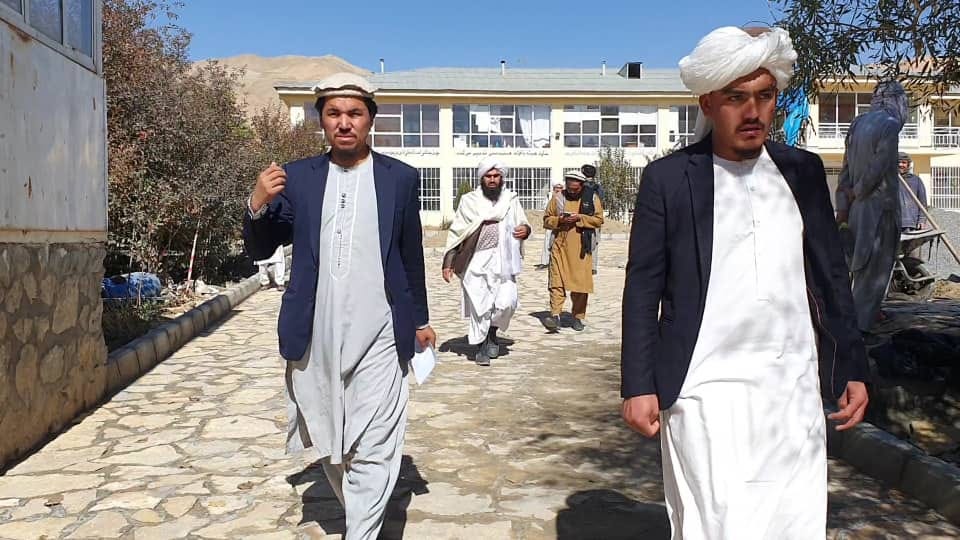
The Taliban’s Dawat wa Irshad departments distributed a mandatory 14-point pledge at public and private universities across Afghanistan this month, requiring students to declare adherence to the Sunni Hanafi school, grow beards, ban music, and sever ties with anti-Taliban political groups. Shia and Ismaili students at Bamyan University who refused were beaten by armed Taliban-affiliated individuals inside the campus; at least 12 were injured, three critically. Afghanistan’s 208,000 university students now face ideological coercion as the price of access to higher education.
Zone III: Stable but Economically Struggling
SECP clears five brokerages for Shariah-compliant Islamic windows
Pakistan’s Securities and Exchange Commission approved Islamic brokerage windows for Insight Securities, Optimus Capital, Value Stocks, Intermarket Securities, and Darson Securities, allowing investors to trade Shariah-compliant shares, Sukuk, and Islamic ETFs through fully segregated platforms. The move follows the Federal Shariat Court’s 2022 ruling ordering Pakistan to eliminate riba-based banking by 2027. Islamic banking now accounts for 25% of Pakistan’s banking assets, over 51% of listed equities are Shariah-compliant, and represents 80% of daily PSX trading volume.
Bangladesh’s ICT arrests two journalists for their 2013 coverage of the Shapla Chattar crackdown
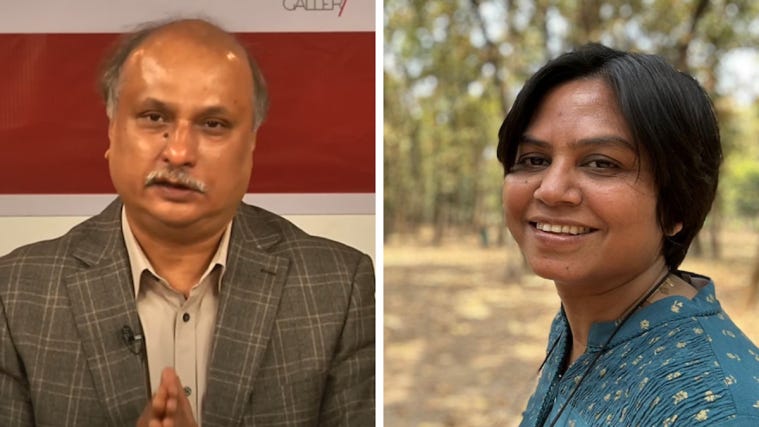
On 14 May, Bangladesh’s International Crimes Tribunal formally showed Ekattor TV journalist Farzana Rupa and editor-in-chief Mozammel Babu arrested in a crimes-against-humanity case, for covering a 2013 government crackdown on a Hefazat-e-Islam rally in which 58 people were killed. CPJ called it “weaponising an international criminal law framework to punish journalists” for editorial decisions, and demanded their immediate release. The investigation report is due on 7 June.
Maldives Broadcasting Commission orders all media to comply with Adhadhu gag order — first journalists jailed in democratic era
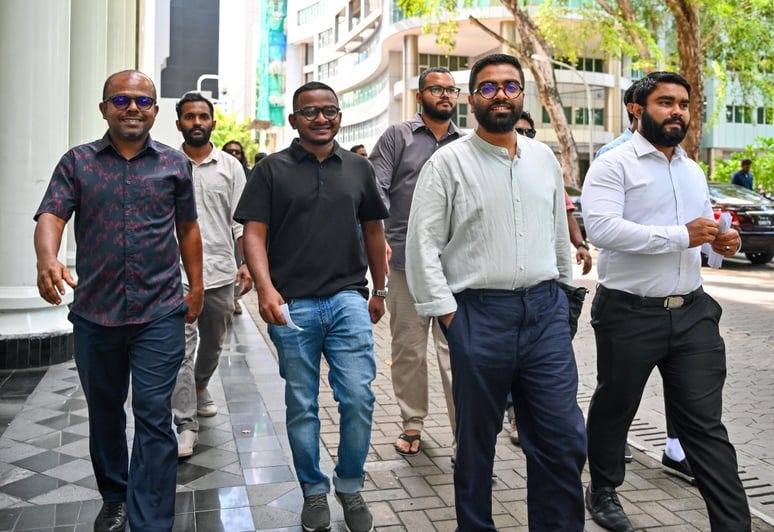
Following the Criminal Court’s 10 May gag order banning any reporting on or discussion of Adhadhu’s Aisha documentary, the Maldives Media and Broadcasting Commission, consolidated under the controversial 2025 media control law, formally ordered every news outlet in the country to comply on 13 May, and separately instructed Channel 13 to halt live broadcasts of opposition gatherings. The Elections Commission fined the opposition People’s National Front MVR 100,000 ($6,500) for discussing the documentary’s allegations at a public gathering. Three former presidents announced a joint meeting to coordinate a response to what they collectively called an unprecedented dismantling of press freedom in the democratic era.
Zone IV: Developed or Emerging Economies with Peace and Stability
35th Doha International Book Fair — 1.85 million books, 37 countries, Arabic language survival framed as a civilisational question
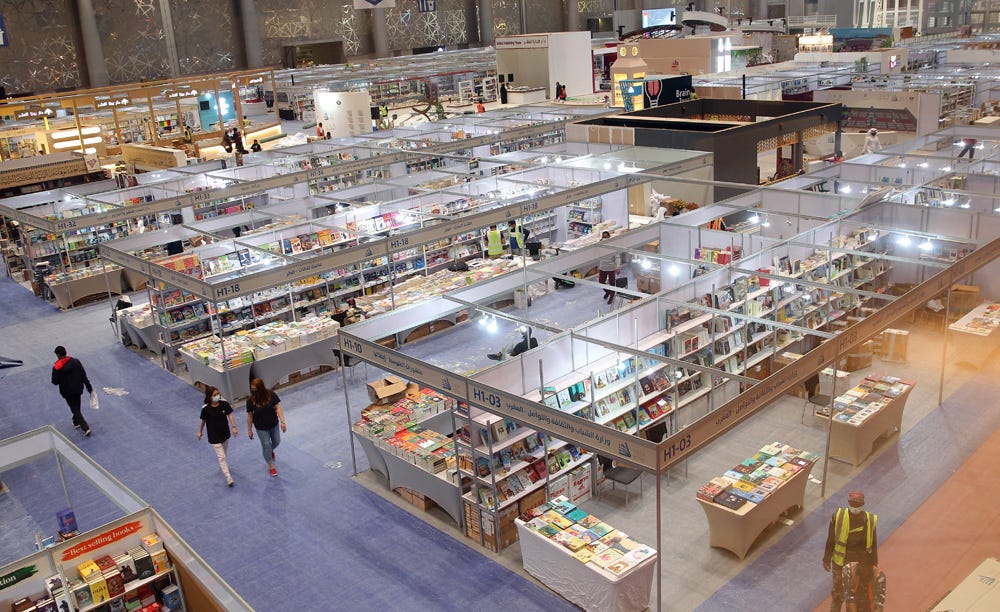
Qatar’s Ministry of Culture opened the 35th Doha International Book Fair on 14 May, largest in its 54-year history, with 910 booths, 520 publishers from 37 countries, and 1.85 million books across 231,000 titles. Qatar Foundation’s BilAraby initiative hosted a session asking how Arabic survives digital publishing. I featured the world’s largest Arabic-language book fair and scholarship on Islamic art. The Doha Book Fair is Qatar’s annual assertion that Arabic intellectual life is worth investing in, not as heritage, but as a living system.
Article Pick

Edraak Weekly Roundup
Edraak Blogs: