

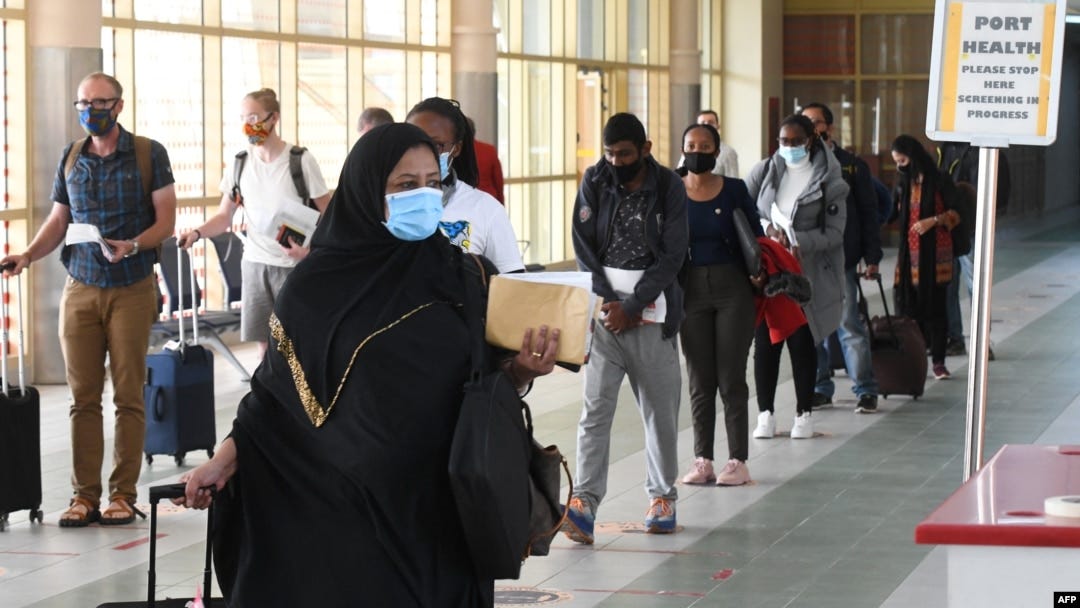
In recent years, many Kenyan domestic workers have immigrated to the Gulf nations, especially Saudi Arabia. This trend is shaped by the labour demand and ongoing economic challenges in Kenya. In East Africa, Kenya is considered one of the key labour-sending countries to Saudi Arabia. According to migration reports, more than 150,000 Kenyan domestic workers, mostly women, are working in the Gulf. Recent national data has found the youth unemployment rate to exceed 60%. Around 40% of Kenyans are living in poverty. Due to these conditions, labour migration becomes a means of livelihood. The remittance inflows to Kenya from Saudi Arabia have grown substantially over the past few years, and this is seen as one of the sources of income for many households.
According to reports, domestic work in the Gulf is predominantly a kafala-sponsored form of employment. In this system, the legal status of a worker is usually tied to their employer. This setup can decrease job mobility and make it harder for employees to leave a job without the employer’s consent. In practice, this structure has been linked to the power imbalance between workers and employers. Specifically for domestic workers in private household services. It is not a new phenomenon, but instead, it has been an ongoing pattern. The Kenyan Ministry of Foreign Affairs has admitted the deaths of at least 89 Kenyan nationals in Saudi Arabia since 2020, many of whom were domestic workers. According Kenya news outlets, over 274 workers, mostly women, died in Saudi Arabia in the last 5 years. But detailed, publicly available data is scarce, and the causes of death are frequently classified as ‘natural’ in official records. Migrant workers do not all have the same experience, and this can vary considerably by employer, recruitment agency and legal status.
According to investigative studies, some Kenyan domestic workers in the Gulf countries have suffered physical, verbal, and, in some instances, sexual abuse. According to a lawyer at Kituo cha Sheria, a legal aid organisation, “This is a matter of grave public interest.” Concerns have also been raised regarding access to institutional support mechanisms. Advocacy organisations reported that some workers who requested consular assistance were denied timely protection and safe accommodation. Many workers reported that there was only one Kenyan embassy in Riyadh, and it was far away from other cities in Saudi Arabia. The limited mobility also made it difficult for workers to report abuse or mistreatment.
At the policy level, Saudi Arabia has made various reforms over the last few years. In 2021, the Labour Reform Initiative (LRI) extended some mobility rights to certain categories of migrant workers, including the circumstances for changing employment. Subsequent regulations in 2023 included provisions related to wages, rest days, and electronic wage protection systems. In 2025, a national policy aimed at addressing forced labour was introduced. Research assessments indicate, however, that enforcement is inconsistent, especially for domestic workers who are not always covered by general labour law.
If migration is increasingly promoted as a solution to unemployment and economic hardship, then an important question arises: are workers receiving the protection and support they need? The data available does not lead to a single conclusion. However, it does suggest that economic opportunity alone may not be enough. The long-term success of labour migration requires effective oversight, support systems, and regular implementation of labour rights protections for those who undertake this migration.