This week’s roundup spans from Sudan to Bosnia, Algeria to Nigeria, and Cameroon to Tajikistan, covering justice, memory, and governance across the Muslim world and beyond, alongside Qatar’s mourning of a leader who reshaped its modern history.
Edraak is our newsletter that honours the Muslim world’s diversity, reflected in the multitude of its socio-economic conditions and political institutions spanning across the continents. Traced back to its Arabic origins, إدراك encompasses timely and thorough insights into the developments of the Muslim-majority countries.
We organise the Muslim-majority countries into four zones as per their current conditions of conflict, transition, stability, and development.
Zone I: Experiencing War, Conflict, Oppression, Genocide
Sudan Court Hands Hemedti a Death Sentence
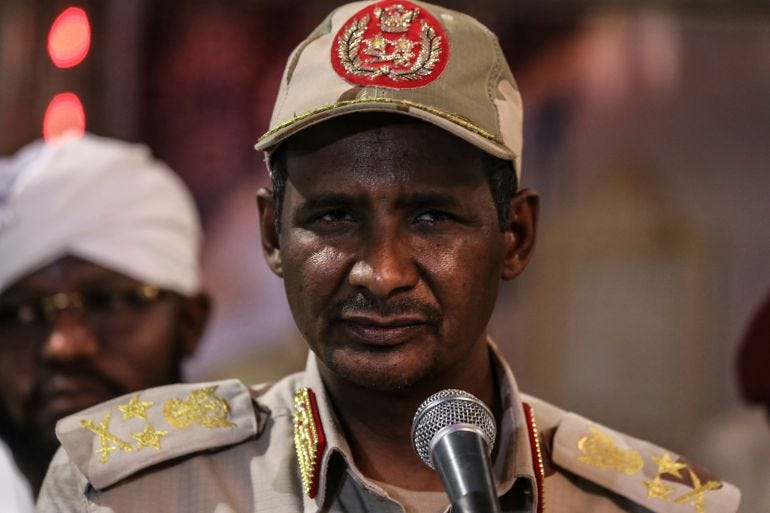
A Port Sudan anti-terrorism court sentenced RSF commander Mohamed Hamdan Dagalo (”Hemedti”) and 15 senior aides to death in absentia over the June 2023 killing of West Darfur Governor Khamis Abakar and mass atrocities in El Geneina, where UN experts say 10,000–15,000 people, mostly Masalit, were killed.UN experts determined that between 10,000 and 15,000 people, mostly from the Massalit ethnic group, were killed in El-Geneina during the violence. It’s the first verdict against RSF leadership since war erupted in April 2023, a conflict that has killed tens of thousands and displaced more than 11 million others.
Zone II: Transition toward Peace and Stability
Nigeria Rescues 44 Kidnapped Pupils and Teachers After 56 Days in Captivity
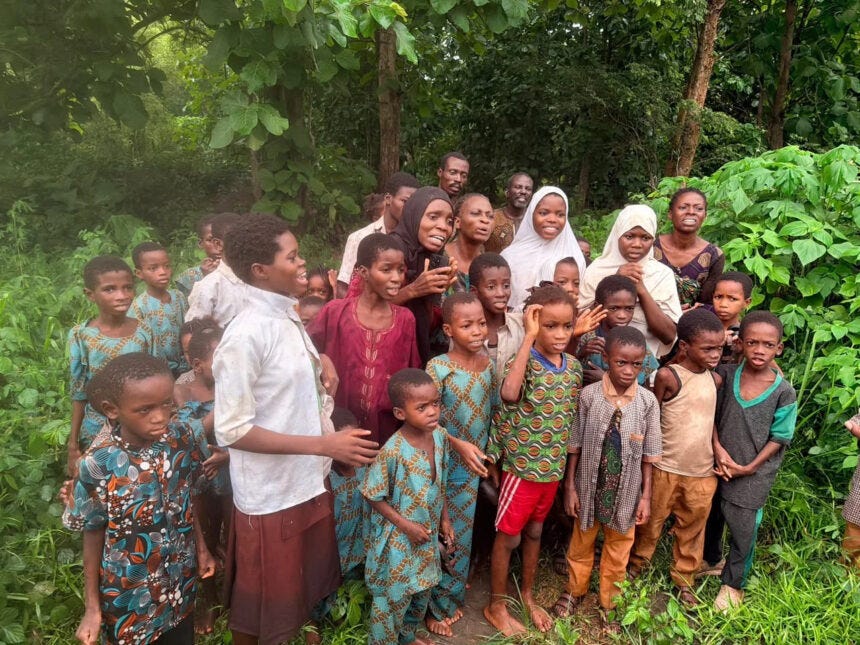
A multi-agency operation freed 44 pupils and teachers abducted by suspected Boko Haram/Ansaru gunmen from three schools in Oyo State’s Oriire area on May 15; the raid, launched July 10, arrested eight suspects and killed several others, with no exchange or concession to the kidnappers. One teacher was beheaded, and another died in captivity during the ordeal. The rescue is a rare security win, but the expansion of school abductions into previously safer regions signals a widening, not shrinking, threat landscape.
Zone III: Stable but Economically Struggling
Algeria and Mali Reopen Skies, Restore Ambassadors After 15-Month Freeze Algeria and Mali reinstated ambassadors and reopened airspace on July 10–11, ending a rupture that began in April 2025 when Algiers shot down a Malian military drone near their shared border. The fallout had pushed Algeria, long a mediator in Mali’s Tuareg conflict, to the sidelines, while allies Niger and Burkina Faso also recalled envoys in solidarity. The thaw restores a diplomatic channel but leaves the Sahel junta’s sovereignty-first, anti-Western posture unchanged, and doesn’t resolve the underlying dispute over the downed drone.
UN Rights Council Quietly Drops Tajikistan Complaint Without Public Explanation
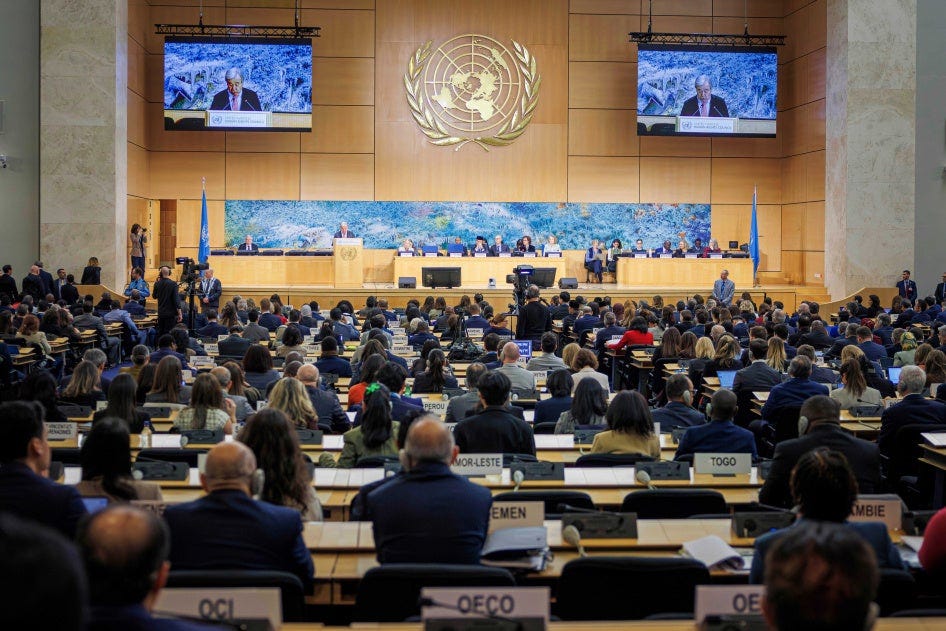
The UN Human Rights Council discontinued, on July 3, a confidential complaint tied to Tajikistan’s deadly 2022 crackdown on Gorno-Badakhshan protesters, citing unspecified “measures and commitments” from Dushanbe that were never made public. Tajikistan remains among Central Asia’s most repressive states, with hundreds of nongovernmental organizations closed and systematic repression of the Pamiri minority. HRW notes that up to 15,000 communications are apparently submitted each year under this opaque procedure.
HRW: Cameroon’s Discriminatory Laws Are Failing Women Facing Violence

A new Human Rights Watch report, I Live in Constant Peril, finds nearly 4 in 10 women and girls in Cameroon who had been in a relationship experienced physical, sexual, psychological, and economic violence in their lifetime, rising to 64 percent in Cameroon’s Centre Region. Officials counted at least 77 women killed by current or former partners in 2024 alone. Cameroon’s Civil Code still designates husbands as heads of household with power over property and employment, despite a 2011 pledge to halve such violence by 2026. Legal frameworks that formally subordinate women’s economic autonomy to husbands directly enable abuse, making awareness campaigns without legal reform largely cosmetic.
Zone IV: Developed or Emerging Economies with Peace and Stability
Srebrenica, 31 Years On: Bosnia Buries Ten More Victims Amid Renewed Genocide Denial
Thousands gathered at the Potočari Memorial Centre on July 11 to mark 31 years since Bosnian Serb forces killed more than 8,000 Bosnian Muslim men and boys after overrunning the UN “safe area” of Srebrenica in 1995. Ten newly identified victims, recovered via DNA testing from mass graves, were laid to rest; around 900 remain missing. Despite two UN court rulings affirming genocide, political leaders in Bosnia’s Serb entity and neighbouring Serbia continue to reject the designation.
Qatar Mourns Father Amir Sheikh Hamad bin Khalifa Al Thani, Architect of Modern Qatar
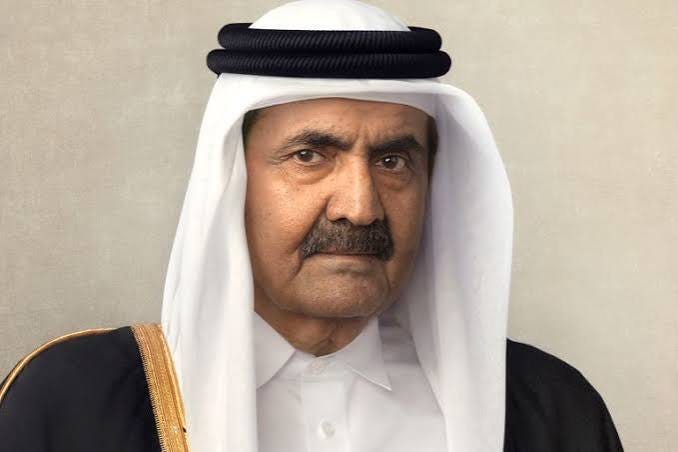
Sheikh Hamad bin Khalifa Al Thani, who ruled Qatar from 1995 to 2013 before a rare voluntary abdication to his son Sheikh Tamim, died on July 12 at age 74; Qatar declared four days of national mourning, and he was buried in a simple ceremony at Lusail Cemetery. Under his reign, GDP rose more than 24-fold as Qatar became the world’s largest LNG exporter, and he launched Al Jazeera in 1996, introduced the country’s first permanent constitution in 2004, and oversaw municipal elections in which women could vote. His legacy is genuinely mixed by liberal standards: an absolute monarch who nonetheless built durable, semi-independent institutions such as a free press and a constitution, arguably doing more concrete institution-building for openness than most of his regional peers.
Article Pick

You are Invited!