

Edraak is our newsletter that honours the Muslim world’s diversity, reflected in the multitude of its socio-economic conditions and political institutions spanning across the continents. Traced back to its Arabic origins, إدراك encompasses timely and thorough insights into developments across Muslim-majority countries.
This edition covers developments across Yemen, Syria, Libya, Bangladesh, Kazakhstan, Morocco, and Saudi Arabia, spanning conflict, institutional reform, labour rights, political participation, freedom of expression, and public policymaking. The stories include renewed displacement and disruption of essential services in Yemen, changes to Syria’s legal institutions and Libya’s electoral framework, developments in domestic workers’ awareness of labour rights in Bangladesh, cases involving journalism and public expression in Kazakhstan, Morocco’s recent parliamentary election and appointment of its first female prime minister, and Saudi Arabia’s use of public consultation in developing economic regulations.
We organise Muslim-majority countries into four zones based on their current conditions of conflict, transition, stability, and development.
Zone I: Experiencing War, Conflict, Oppression, Genocide
Yemen: Renewed Fighting Displaces More Than 120,000
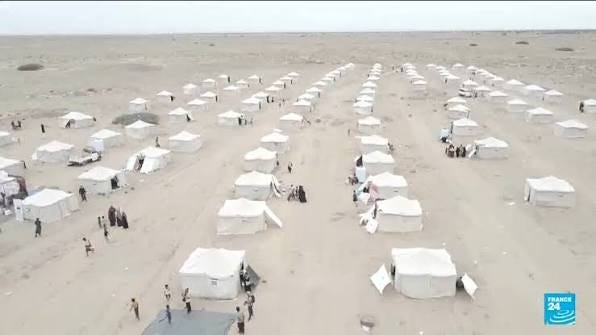
Renewed fighting along Yemen’s western coast and the southern Ta’iz frontlines has displaced more than 120,000 people, including around 30,000 women of reproductive age and more than 2,700 pregnant women. According to UNFPA, at least 500 pregnant women among the displaced population require comprehensive emergency obstetric and newborn care, while some health facilities and women’s safe spaces have closed or reduced their operations because of the fighting. The latest escalation is therefore disrupting more than shelter and physical security. It is also restricting access to healthcare, protection services and safe childbirth for women already living through prolonged displacement.
Zone II: Transition toward Peace and Stability
Syria: Abolishing Assad’s Terrorism Court Opens a Path to Restoring Lost Rights
Syria’s parliament unanimously approved legislation on September 17 abolishing the Assad-era Terrorism Court and cancelling the legal effects of its previous judgments. According to figures cited by the Syrian Network for Human Rights, more than 90,000 cases had been brought before the court, while the wider confiscation system associated with terrorism cases resulted in at least 40,602 property seizure and confiscation orders affecting around 320,000 people. The new legislation assigns the Supreme Judicial Council responsibility for addressing the consequences of the old judgments, including the return of confiscated property.
Libya: Elections Begin with Rebuilding the Institutions Behind Them
Members of Libya’s Smaller Convening met in Tunis on September 20 to advance an agreement to reconstitute the High National Elections Commission and amend the legal framework for presidential and parliamentary elections. The participants reaffirmed their commitment to elections under unified and legitimate institutions and agreed to continue engaging other Libyan stakeholders to build broader support for the process. The meeting was the first follow-up since the agreement was signed in August. Before citizens can vote, institutions must agree on who administers elections, which laws govern them, and how competing political actors will recognise the result. In a country still divided between rival centres of power, rebuilding those institutions is itself part of the transition.
Zone III: Stable but Economically Struggling
Bangladesh: Domestic Workers’ Rights Awareness Rises to 74%
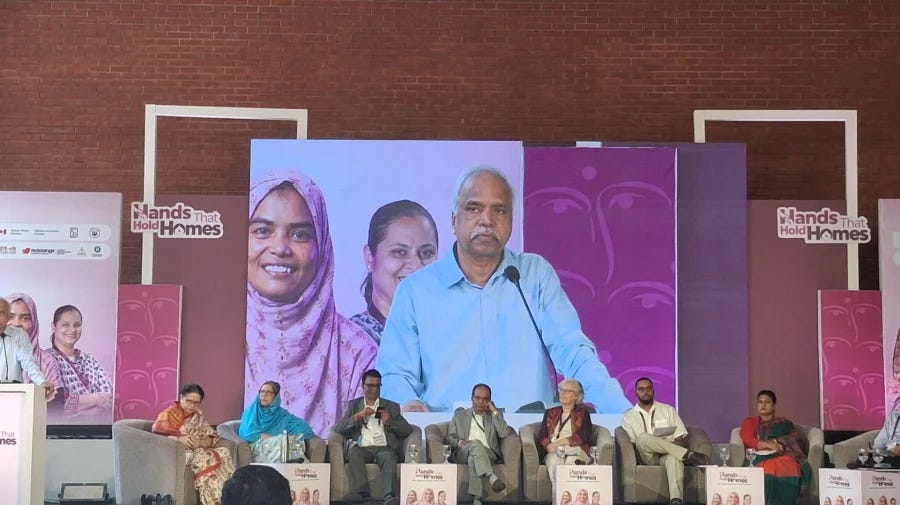
A seven-year Securing Rights for Women Domestic Workers in Bangladesh (SUNITI) project by Oxfam and partners found that awareness of labour rights among domestic workers rose from 12% in 2019 to 74% in 2025. Their ability to negotiate wages increased from 23% to 61%, while written employment arrangements rose from 8% to 28%. 41% of surveyed workers reported higher wages, with average monthly income increasing by Tk850. Despite these gains, workers continue to face low wages, long hours, harassment, limited social protection, and incomplete legal recognition. The findings suggest that awareness and bargaining capacity can expand workers’ agency, but meaningful protection still depends on enforcement, social recognition and stronger worker organisation.
Kazakhstan: Satire Can Become a Crime
Kazakh satirist and political commentator Azamat Omarov, who had been held in pretrial detention since April on charges of “inciting discord,” reached a plea agreement with prosecutors and was released on September 15. He received a three-and-a-half-year restricted-freedom sentence and a five-year ban on socioeconomic and political activity, including activities such as monitoring trials. The restrictions also prevent him from resuming his political satire programme and from expressing political or social opinions online during that period. Human Rights Watch said Kazakhstan has repeatedly used the broadly worded “inciting discord” provision against government critics, bloggers, journalists and activists.
Zone IV: Developed or Emerging Economies with Peace and Stability
Morocco: First Female Prime Minister Takes Office
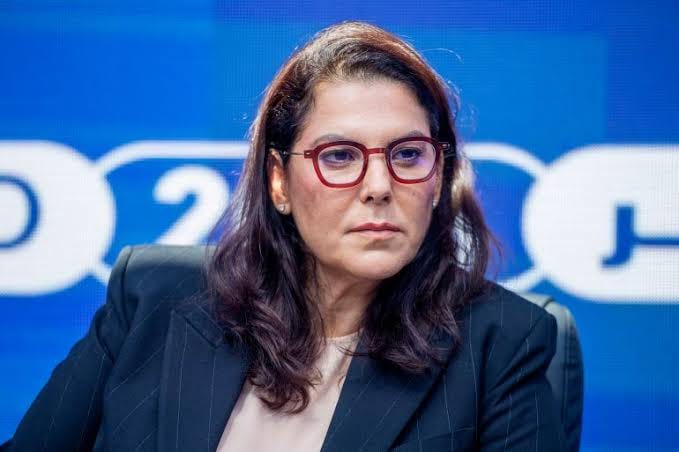
Morocco appointed Fatima Ezzahra El Mansouri as its first female prime minister on September 29, following parliamentary elections held on September 23. Her Authenticity and Modernity Party won the largest number of seats with 97 out of 395. The election recorded a turnout of around 38%, down from 50% in 2021 and the lowest level since 2007. The election followed youth-led protests over unemployment, healthcare, education and public spending. El Mansouri’s appointment represents a significant development in women’s political participation in Morocco. At the same time, the low turnout raises a different question about participation: political representation can expand while public engagement with formal political institutions declines.
Saudi Arabia: Public Consultation Influences More Than 500 Regulatory Proposals
Saudi government agencies incorporated more than 500 public comments and proposals into draft regulations during the first half of 2026, according to a September 27 report on the government’s Istitlaa consultation platform. During the same period, 54 government entities placed 209 economic and development-related draft regulations on the platform, receiving 8,475 comments and around 1.6 million visits. Some proposals were subsequently changed through the removal or modification of regulatory requirements and reductions in certain fines and fees. The development offers an example of participation operating through regulatory rather than electoral institutions. Public consultation does not determine policy on its own, but it can allow businesses, professionals and members of the public to shape rules before they take effect.
