

This newsletter covers developments across the Muslim world, spanning Sudan’s civil war entering a fourth year, to Syria’s attempts at reviving its cultural heritage. It traces tightening restrictions on expression, from Turkey to Nigeria. It also examines evolving legal and political structures, including Uganda’s fast-tracked Shariah courts bill with far-reaching implications for legal pluralism and minority rights, and Kazakhstan’s new constitution, which raises fundamental questions about the consolidation of executive power under the guise of reform. Together, these developments reflect a region navigating conflict, cultural preservation, and increasingly contested freedoms.
Edraak is our newsletter that honours the Muslim world’s diversity, reflected in the multitude of its socio-economic conditions and political institutions spanning across the continents. Traced back to its Arabic origins, إدراك encompasses timely and thorough insights into the developments of the Muslim-majority countries.
We organise the Muslim-majority countries into four zones as per their current conditions of conflict, transition, stability, and development.
Zone I: Experiencing War, Conflict, Oppression, Genocide
This zone includes countries where violence, civil war, and mass atrocity crimes dominate daily life.
Sudan’s War enters fourth year amid mass displacement and killings
Sudan’s civil war has entered its fourth year, with over 13 million people displaced and 34 million in need of humanitarian assistance. Fighting intensified in April, including new offensives in Kordofan and continued drone strikes in Darfur. Aid officials describe Sudan as the world’s largest humanitarian crisis, warning that famine and violence are worsening amid declining international attention. This reflects a near-total collapse of civil life where civilians consistently lack security, access to aid, and any meaningful political order.
Zone II: Transition toward Peace and Stability
Countries in this zone are emerging from conflict or undergoing volatile transitions. They are in the process of political reconstruction and institution building.
Syria’s Homs Heritage festival highlights cultural revival through traditional crafts
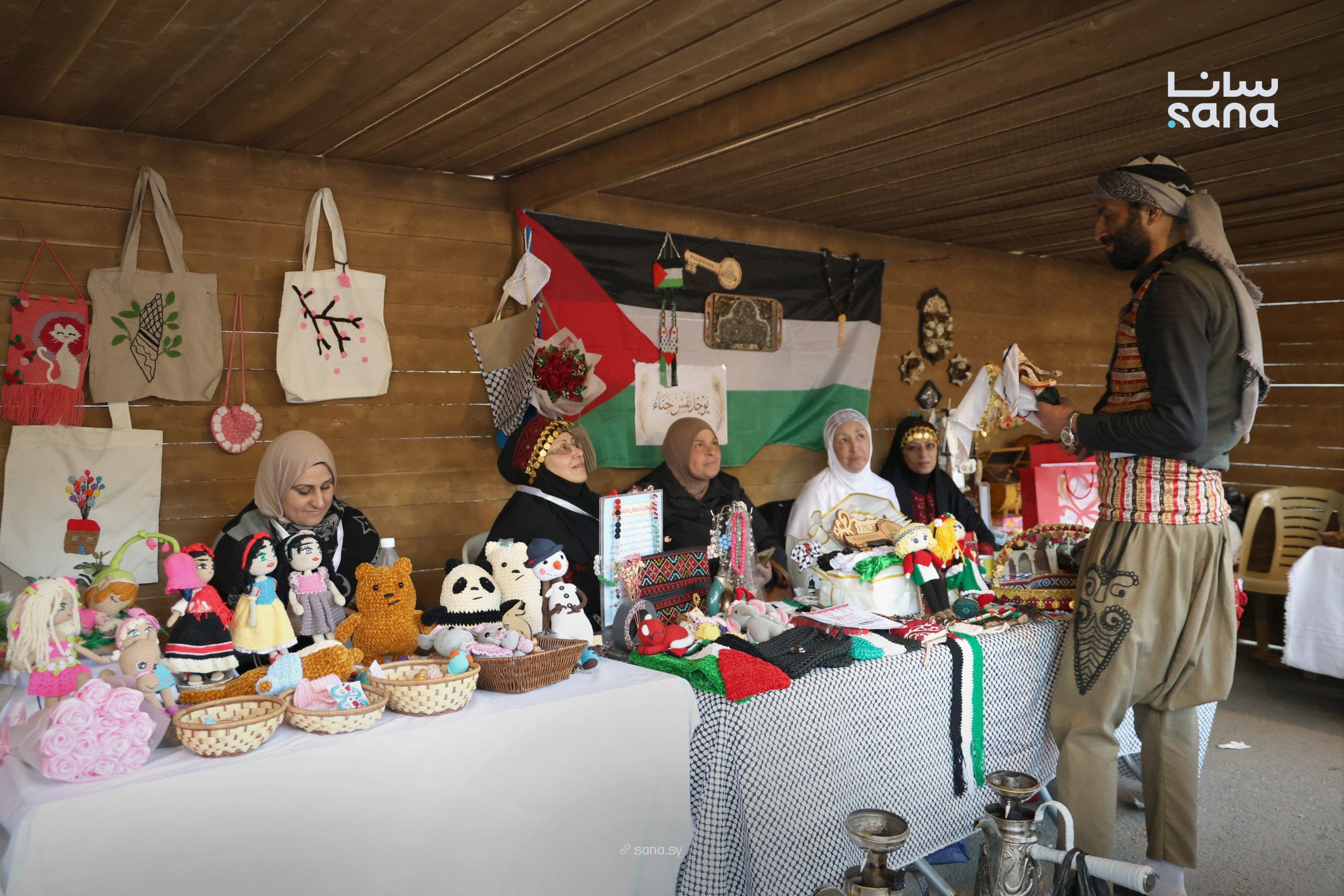
During the “April Homs” festival, Syria showcased its traditional handicrafts and heritage industries as part of efforts to revive local cultural identity. Artisans displayed glass painting, woodcraft, beadwork, and Damascene relief work, alongside handmade textiles and copper-based art inspired by Homs’ history. According to Ahmad al-Kurdi, head of the Heritage Professions Association, the event aims to preserve the historical value of these crafts. While Syria remains structurally constrained in political terms, this initiative forms part of broader efforts to preserve Syria’s intangible cultural heritage and the revival of traditional economic livelihoods despite years of conflict.
Zone III: Stable but Economically Struggling
These countries enjoy relative peace and order, yet face fundamental economic, governance or social challenges.
Four journalists sentenced on 14–15 April for critical commentary
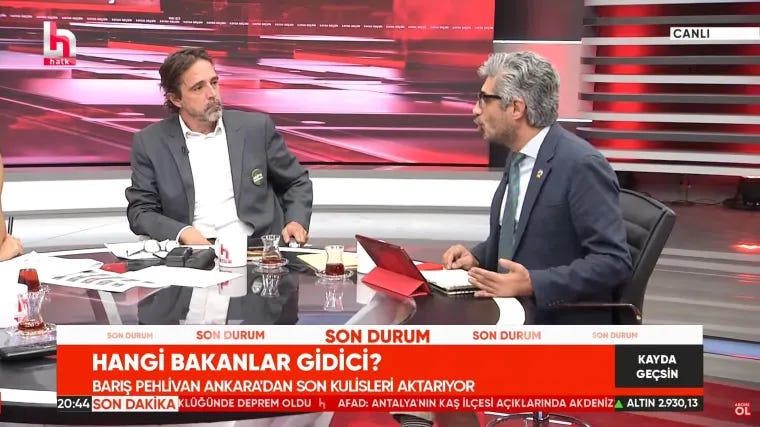
This week, two Istanbul courts sentenced journalists Zafer Arapkirli, Barış Pehlivan, Timur Soykan, and Murat Ağırel to prison for critical social media posts and broadcast commentary on the opposition outlets BirGün and Cumhuriyet. All remain free pending appeal. Turkey currently ranks 156th of 180 countries on Reporters Without Borders’ Press Freedom Index, and has detained 60 journalists in the first four months of 2026 alone.
Uganda’s Shariah Courts Bill fast-tracked
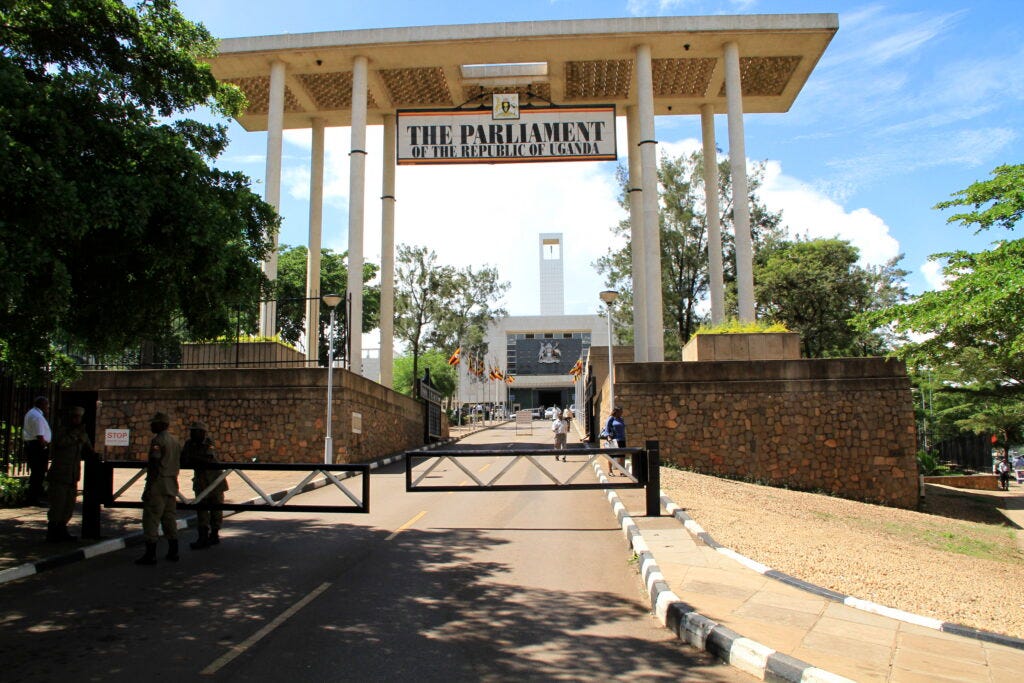
Uganda’s Qadhis Courts Bill, published in the Government Gazette in February 2026, proposes a nationwide system of Shariah courts with exclusive jurisdiction over marriage, divorce, custody, and inheritance for all Muslim marriages. Crucially, if a Muslim party files in a Qadhi court, non-Muslim parties in the same dispute lose access to civil courts. Appeals to the High Court must be heard by a Muslim judge and four Muslim scholars. Lawmakers are pushing to pass it before Parliament dissolves on 24 April. The bill introduces religious legal plurality without safeguards for women, converts, or non-Muslims.
Nigeria’s NBC bans personal opinions and political debate
On 17 April 2026, Nigeria’s National Broadcasting Commission issued a formal notice strictly enforcing the 6th Edition of the Nigeria Broadcasting Code, barring radio and TV presenters from expressing personal opinions, “intimidating” guests, or airing “divisive content”. The directive treats opinion expression as a “Class B” breach punishable by fines or licence suspension. Former Vice President Atiku Abubakar called it an attempt to “muzzle the media.” Amnesty International Nigeria warned that it will drive widespread self-censorship. However, digital platforms remain outside NBC oversight, creating an uneven playing field between broadcasters and online actors.
Zone IV: Developed or Emerging Economies with Peace and Stability
Zone IV encompasses those countries that have achieved a baseline of political or security stability, and which are now focused on economic growth, globalisation and strategic alignment.
Kazakhstan’s New Constitution — a consolidation of autocracy or reform?
On 20 April, Kazakhstan’s ambassador to the EU hosted a roundtable, presenting the country’s new Constitution, passed with 87% approval. The government emphasised a strengthened Parliament and clearer separation of powers. But FIDH, HRW, and independent analysts issued a sharply different verdict the same day: the constitution amends over 80% of its text, removes the precedence of international law, bans foreign funding of NGOs and political parties, and consolidates presidential power through a new unicameral legislature whose working group was established entirely by presidential decree.
Article Pick