

From Afghanistan to Morocco, governments spoke the language of protection, stability and prosperity, while the real measure of liberty lies in what ordinary people are actually allowed to do. Can women work? Can minorities practise their faith without fear? Can people cross a border when economic hardship leaves them few choices? Can businesses operate without excessive state control?
Edraak is our newsletter that honours the Muslim world’s diversity, reflected in the multitude of its socio-economic conditions and political institutions spanning across the continents. Traced back to its Arabic origins, إدراك encompasses timely and thorough insights into the developments of the Muslim-majority countries.
We organise the Muslim-majority countries into four zones as per their current conditions of conflict, transition, stability, and development.
Zone I: Experiencing War, Conflict, Oppression, Genocide
Gaza: Aid, Negotiations Put on Hold
On August 3, Palestinian officials and humanitarian agencies reported that around 1.4 million people in Gaza were facing acute food insecurity, while medicine shortages had reached 47%. The scale of the crisis is reflected in the health system: shortages of laboratory testing materials had reached 85%, while shortages of maternal and child health medicines stood at 56%. Palestinian officials stressed that the situation remained fragile. As one UN humanitarian official put it, the improvement in some food-security indicators “should not be interpreted as the end of the crisis.”
Diplomatic efforts continued through mid-August around a possible ceasefire, but disagreements over Hamas’ disarmament and an Israeli military withdrawal remained unresolved.
Zone II: Transition toward Peace and Stability
Afghanistan: Five Years of Rule, and Women’s Participation Falls to 5%
Afghanistan has spent five years under Taliban rule, and the anniversary has brought a stark measure of what that rule has meant for women. A recent report from the ILO says women now account for only 5% of Afghanistan’s labour market. UN Women has also recently highlighted more than 100 decrees restricting women and girls since 2021, covering education, employment, movement, justice and family life. Two of the newest measures are particularly consequential. Decree No. 12 has entrenched discriminatory legal provisions, while Decree No. 18 removes a minimum marriage age and makes separation harder for women. The result is not simply fewer rights on paper.
Zone III: Stable but Economically Struggling
Pakistan: A Day for Minorities, and the Question of What Comes Next
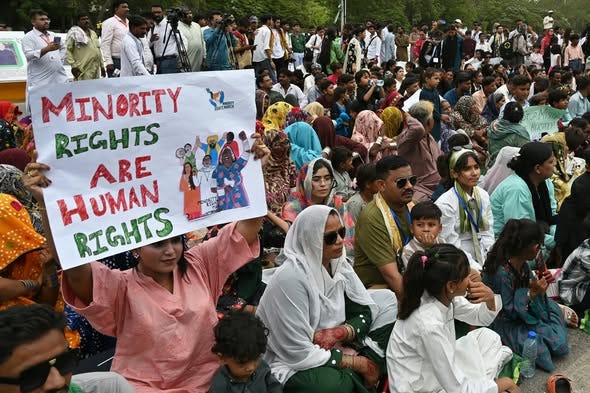
On August 11, Pakistan officially marked National Minorities’ Day, with state officials reaffirming constitutional guarantees of religious equality. Yet the day also became a reminder of the distance between constitutional promise and lived experience. Minority rights activists marched in Karachi demanding equal political, economic and social rights, including reform of blasphemy laws. The contrast is especially striking because Reuters has reported that blasphemy-related cases have fallen by roughly two-thirds this year following a crackdown on hardline groups and a sharp decline in mob violence. That is encouraging, but the laws themselves remain, which leaves a troubling possibility: with a changing political climate, the same machinery that has been restrained simply returns.
Nigeria: Faith Leaders Turn Dialogue into a Freedom
Nigeria’s latest interfaith initiative moves beyond statements of tolerance toward an organised mechanism for dialogue. Muslim and Christian leaders have launched a new body dedicated to religious harmony, against a backdrop of years of extremist violence and deep religious polarisation. Religious liberty is not only the right to attend a place of worship; it also depends on whether communities can participate in public life without being treated as threats. Nigeria’s experience shows how quickly religious identity can become political identity. The new mechanism cannot solve that alone, but it offers a civic space where disagreement does not automatically become hostility.
Lebanon Gives Up Its Power to Execute
Lebanon has taken one of the clearest steps toward expanding the right to life by abolishing capital punishment. The country had not carried out an execution since 2004, but the death penalty remained on the books, leaving a gap between practice and law. That gap has now closed as the government that cannot execute a convicted person has accepted a principle larger than the crime itself: that punishment has boundaries. Lebanon’s decision is therefore more than a legal reform. In a region where capital punishment remains widespread, it offers a different vision of justice and state authority.
Morocco: Economic Desperation Meets a Border

Moroccan authorities arrested at least 111 people on August 14 as they attempted to reach Spain’s Ceuta enclave, while security measures along the northern border were tightened. Routes into the area were blocked, surveillance increased, and journalists were reportedly asked to leave the border town of Fnideq. The operation followed a larger border mobilisation in July, when thousands of migrants attempted to cross into Ceuta. Moroccan authorities have framed the measures around border security and preventing irregular crossings. For those attempting to leave, however, migration is driven by unemployment, low incomes and the prospect of better opportunities abroad. The tension is difficult to miss: how should governments balance border control with people’s desire to move in search of a better livelihood?
Zone IV: Developed or Emerging Economies
Indonesia: When the State Wants to Set the Price
Indonesia is taking a bigger role in determining how its strategic commodities are priced. President Prabowo Subianto announced a new commodity exchange intended to set domestic prices for resources including nickel, tin and gold, arguing that Indonesia should become a price-setter rather than remain simply an exporter. Tighter oversight could reduce under-reporting, increase state revenues and prevent foreign markets from capturing too much value. However, investors are already concerned about competitiveness and operating costs. “Personally I don’t think the market will use it unless specific export rules are associated.”, says a Singapore-based metals trader quoted by Reuters.
Jordan: Incentives, Jobs and the Freedom to Build a Business
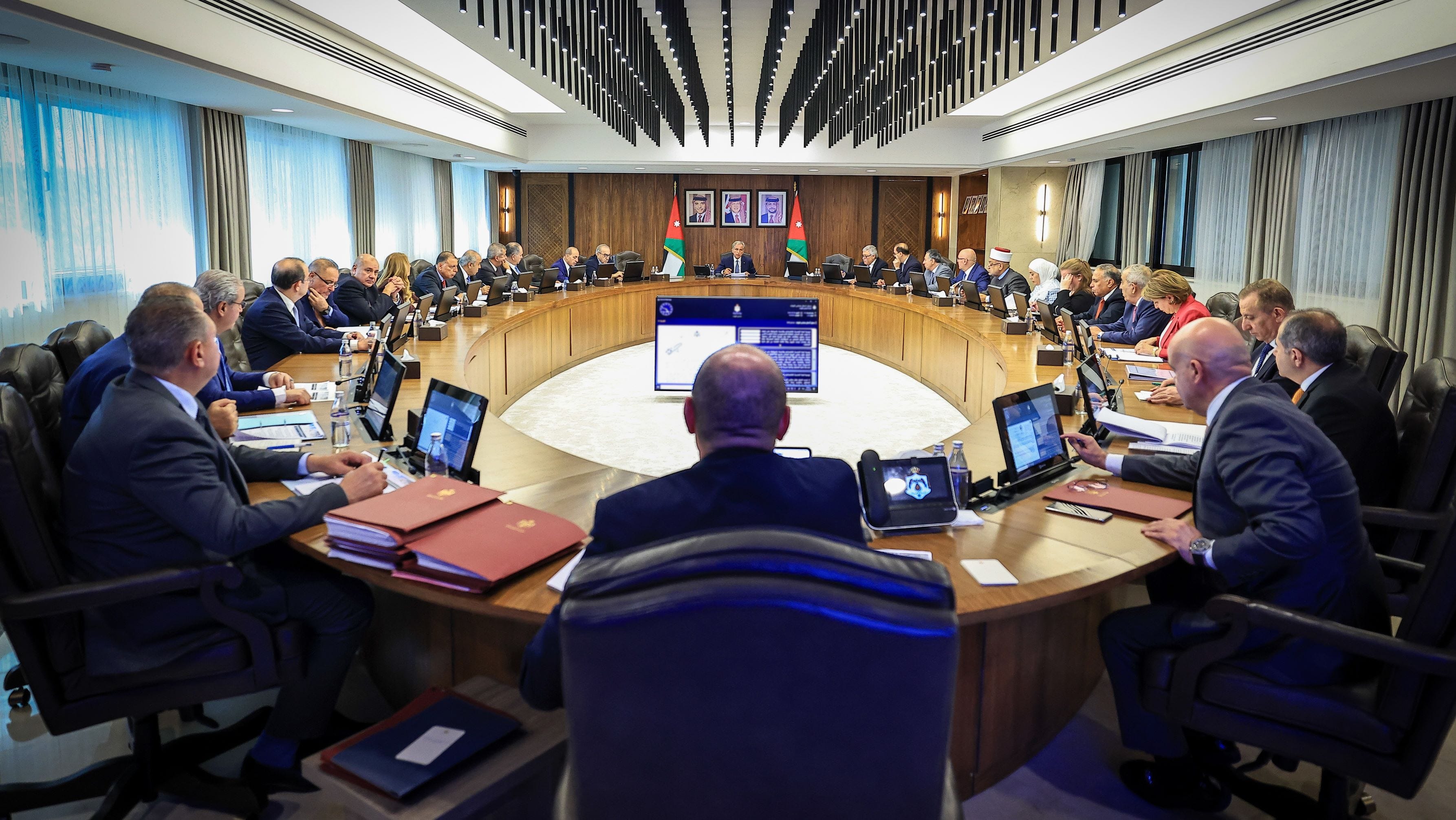
On August 2, Jordan’s cabinet approved a package aimed at encouraging investment and supporting industrial activity. The measures include tax exemptions, regulatory relief and subsidised electricity for projects in the Rawda Industrial Zone, with electricity discounts reaching 75% during the first two years. Companies can also receive support for workers’ salaries, social-security contributions and transport costs. The parliament said the measures are intended to strengthen investment, support employment and improve the competitiveness of industrial projects. For businesses, the package reduces some of the costs associated with starting or expanding operations, while for workers, the employment incentives could lower the cost of hiring. The effectiveness of the package will depend on whether these incentives translate into sustained investment and jobs.
