

From high-stakes diplomatic dialogues in Pakistan to escalating violence and displacement in Lebanon, this roundup captures the shifting landscape of liberty across regions in flux. Developments in North Africa, the Middle East, and beyond reveal a complex interplay of political authority, conflict, and reform. Here, questions of governance, economic opportunity, freedom of expression, and religious practice continue to shape everyday realities.
Edraak is our newsletter that honours the Muslim world’s diversity, reflected in the multitude of its socio-economic conditions and political institutions spanning across the continents. Traced back to its Arabic origins, إدراك encompasses timely and thorough insights into the developments of the Muslim-majority countries.
We organise the Muslim-majority countries into four zones as per their current conditions of conflict, transition, stability, and development.
Zone I: Experiencing War, Conflict, Oppression, Genocide
This zone includes countries where violence, civil war, and mass atrocity crimes dominate daily life.
Deadly escalation in Lebanon despite ceasefire uncertainty
On 8 April, Israel launched one of the deadliest single-day attacks in Lebanon since the ceasefire, killing 357 people as fresh military divisions entered the south. The escalation came just hours after the announcement of an Iran–US ceasefire, though Israeli leadership maintained that Lebanon was not included in the agreement, contradicting statements by Pakistan’s Prime Minister. The ongoing conflict has displaced over 1.2 million Lebanese, roughly one-sixth of the population, leaving civilians in a prolonged state of insecurity.
Al-Aqsa Mosque reopens after weeks-long closure amid regional tensions
The Al-Aqsa Mosque in East Jerusalem reopened to Muslim worshippers on 9 April after a closure of approximately 40 days, imposed during heightened regional conflict and security restrictions. Thousands of Palestinians returned for prayers as the gates reopened, with large crowds gathering for the first Friday prayers that had been missed during the shutdown. The reopening followed a fragile ceasefire in the broader regional conflict, which had led authorities to restrict access to major religious sites across Jerusalem, disrupting key observances. Tensions surrounding access and control of the site remain unresolved.
Zone II: Transition toward Peace and Stability
Countries in this zone are emerging from conflict or undergoing volatile transitions. They are in the process of political reconstruction and institution building.
Court upholds conviction of journalist amid rising press restrictions

On 13 April, a Tunisian appeals court upheld the conviction of commentator Sonia Dahmani under Decree-Law 54, reducing her sentence to 18 months but not overturning it. Dahmani, a recipient of the Committee to Protect Journalists’ 2025 Press Freedom Award, remains at risk of re-arrest. Since 2023, Tunisia has prosecuted at least 39 journalists, with several still imprisoned as of April 2026. This case underscores the growing erosion of freedom of speech and press freedom, as legal mechanisms are increasingly used to silence dissenting voices and independent journalism.
Zone III: Stable but Economically Struggling
These countries enjoy relative peace and order, yet face fundamental economic, governance or social challenges.
Islamabad talks in stalemate as tensions raise risks for global stability
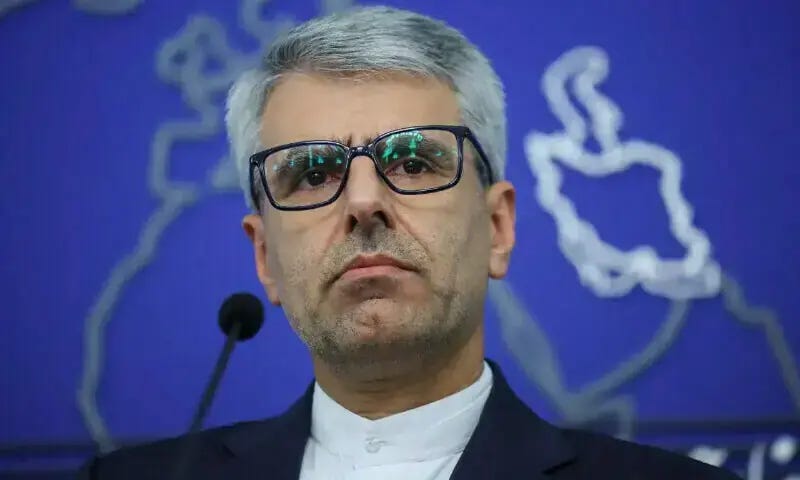
High-stakes US–Iran negotiations held in Islamabad concluded without an agreement on 12 April after 21 hours of discussion, with the nuclear issue emerging as the primary sticking point. While the ceasefire technically remains in place, tensions continue to simmer. Most recently, Iran has reported continued exchanges with the United States with Pakistan’s assistance.
Beyond the diplomatic standstill, the potential closure of the Strait of Hormuz carries significant consequences for ordinary people worldwide. As one of the world’s most critical shipping routes, any disruption has already contributed to rising fuel prices, supply chain instability, and increased costs of basic goods. For populations across the Global South in particular, these economic shocks translate into reduced purchasing power, inflation, and heightened everyday hardship.
Guelleh secures sixth term amid absence of meaningful opposition
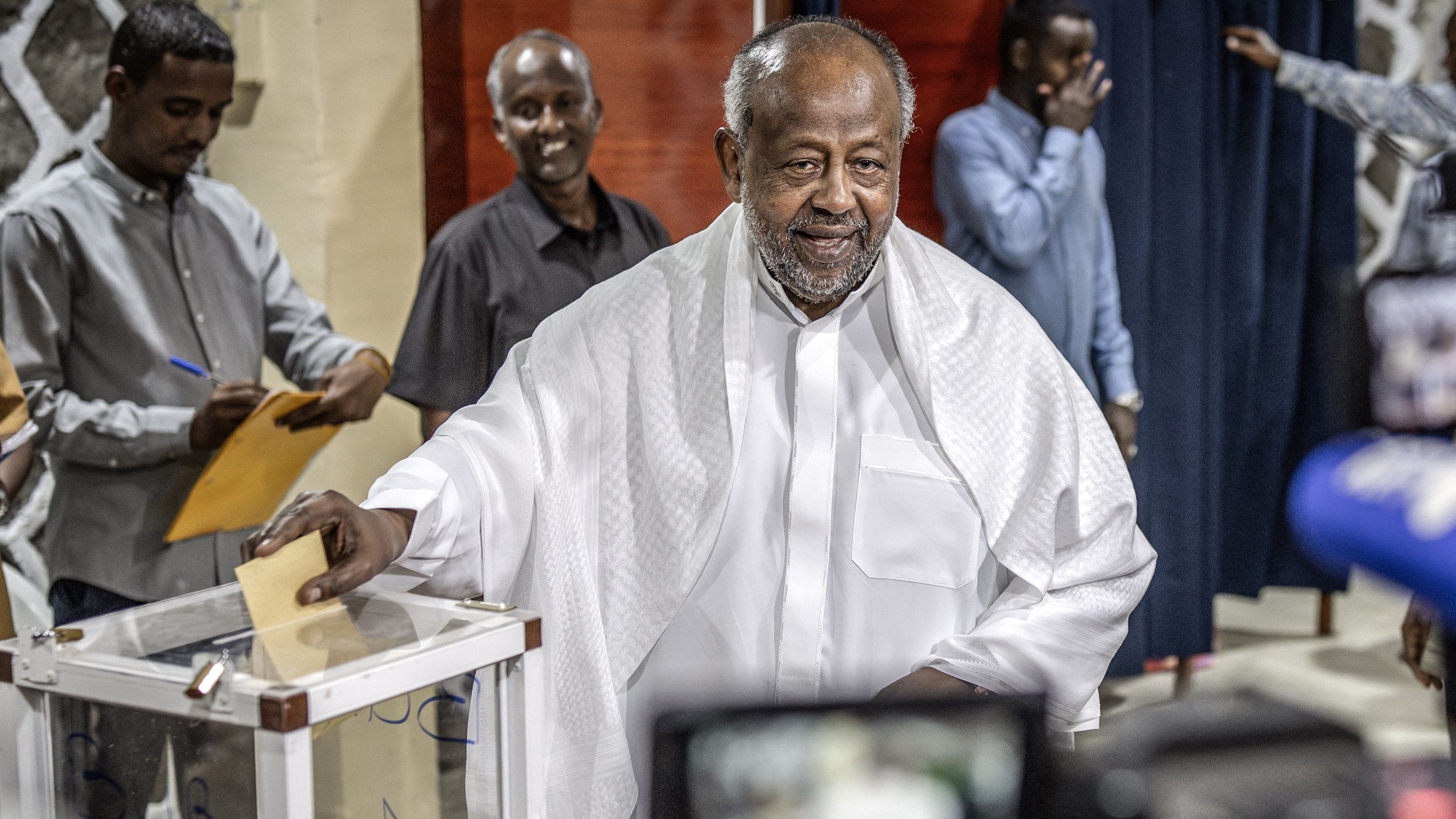
Djibouti’s long-serving president, Ismail Omar Guelleh, was re-elected on 10 April with 97.8% of the vote, marking his sixth consecutive term in office. With presidential term limits abolished in 2010 and age restrictions removed in 2024, Guelleh faced only one challenger, while major opposition parties boycotted the election. Official turnout stood at 80.4%. The election attracts significant concerns about the manifestations of political liberty in Djibouti, where institutional changes and limited political competition are undermining genuine democratic choice and accountability.
Zone IV: Developed or Emerging Economies with Peace and Stability
Zone IV encompasses those countries that have achieved a baseline of political or security stability, and which are now focused on economic growth, globalisation and strategic alignment.
Major investments signal push for jobs, innovation, and green growth
On 10 April, the World Bank approved a $500 million development policy loan to support Morocco’s job creation and green growth agenda, aiming to benefit 330,000 job seekers by 2029. The initiative focuses on small and medium enterprise reform and reducing barriers to clean energy. Meanwhile, Marrakech hosted GITEX Africa 2026, where Morocco signed a $1.28 billion agreement to develop its first sovereign AI platform under the Digital 2030 strategy.
Article Pick
Read, Mustafa Acar’s “Reason versus Tradition, Free Will versus Fate, Interpretation versus Literalism: Intellectual Underpinnings of the Negative Outlook for the Muslim world”, where he discusses the contemporary challenges faced by the Muslim world, ranging from political instability to economic and intellectual stagnation, and argues that these are rooted in deep historical and ideological developments.