

This newsletter carries the stories of Imaan Mazari and Hadi Ali Chattha, jailed in Islamabad for speech; Afgan Sadigov, a journalist forcibly returned to the state he fled; Aliou Touré in Bamako, imprisoned for a true statement; and Mariama Djibrine in Niamey, stripped of the citizenship that made every other right possible. And the unnamed women of Herat, whose protest cost an eleven-year-old boy his life.
Edraak is our newsletter that honours the Muslim world’s diversity, reflected in the multitude of its socio-economic conditions and political institutions spanning across the continents. Traced back to its Arabic origins, إدراك encompasses timely and thorough insights into the developments of the Muslim-majority countries.
We organise the Muslim-majority countries into four zones as per their current conditions of conflict, transition, stability, and development.
Zone I: Experiencing War, Conflict, Oppression, Genocide
Iran–US Peace Deal
The US and Iran declared an end to hostilities on 15 June, with a formal signing ceremony set for 19 June in Geneva. The deal reopens the Strait of Hormuz and lifts the American naval blockade. On nuclear issues, however, there is no substantive agreement, only a commitment to negotiate further over Iran’s enriched uranium stockpile.
Niger’s Junta strips exiled opposition leader of citizenship
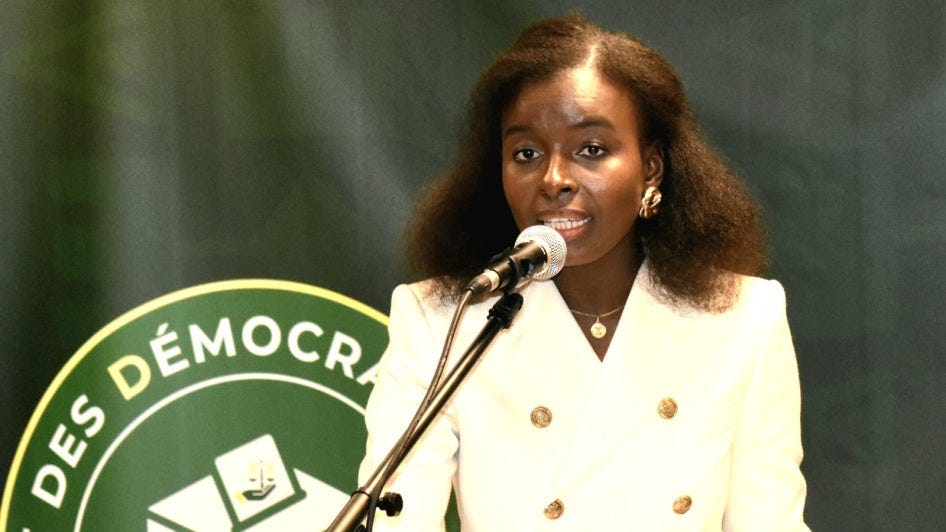
Niger’s military junta revoked the citizenship of an exiled opposition leader, Mariama Djibrine, on 15 June, removing his legal standing to return, contest, organise, or litigate. The move echoes Burkina Faso’s January 2026 ban on all political parties and President Traoré’s declaration to “forget democracy.” Niger has been under junta rule since July 2023 and is now aligned with Mali and Burkina Faso in the Alliance of Sahel States. Stripping citizenship from a political opponent in exile is not a security measure but rather a permanent foreclosure of political opposition.
Mali Journalist jailed under terrorism charges for calling a military claim false
Journalist Aliou Touré was imprisoned for publicly contradicting an official military account of a security operation and presenting evidence that the junta’s version was false. He faces charges under Mali’s cybercrime and terrorism laws. Since 2021, the junta has expelled French forces, UN peacekeepers, and most international media. The domestic press is now operating under near-total self-censorship. When “calling a fact a fact” constitutes terrorism, the legal system has been converted into an instrument for managing reality.
Zone II: Transition toward Peace and Stability
Afghanistan’s Morality police arrest 30 women for dress code violations; security forces kill an 11-year-old boy during protests
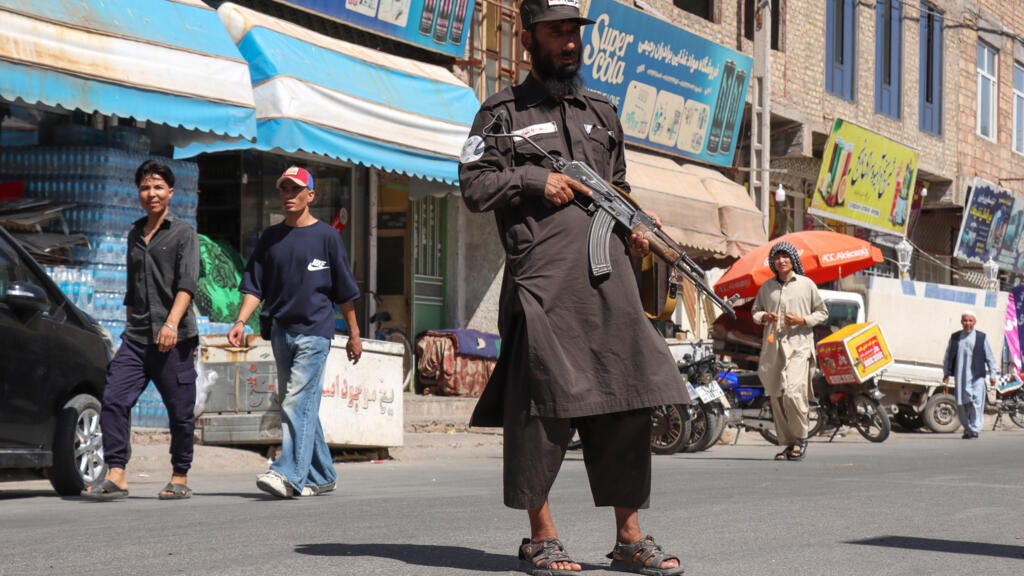
Taliban morality police arrested at least 30 women in Herat for dress code non-compliance by 7 June. Residents took to the streets on 9 June, chanting “Work, Education, Freedom.” Security forces beat protesters, fired toward fleeing crowds, and killed an 11-year-old boy. Three other protestors reached the hospital with gunshot wounds. Officers then conducted home searches, examined phones for protest footage, and detained both men and women. Individual liberty requires the right to protest without being shot. The state’s relationship with its own people has become one of lethal enforcement.
Zone III: Stable but Economically Struggling
Bahrain strips dozens of citizens of nationality for “glorifying Iran,” while no charge, no trial, no appeal process disclosed
Bahrain’s government revoked the nationality of dozens of citizens this week, citing expressions of sympathy toward Iran during the ongoing war, alleged espionage, and “pledging allegiance to foreign entities.” No court proceedings or formal charge sheets were published. The move follows the 28 April sentencing of photographer Sayed Baqer Al-Kamel to ten years for filming a burning building, and an earlier security sweep that detained 24 people on Iran-linked grounds. Citizenship is the foundational right on which every other right rests. Revoking it by executive decree, without trial, for expressions of political sympathy is not security but legal elimination of dissent.
Azerbaijan rearrests journalist forcibly returned from Georgia
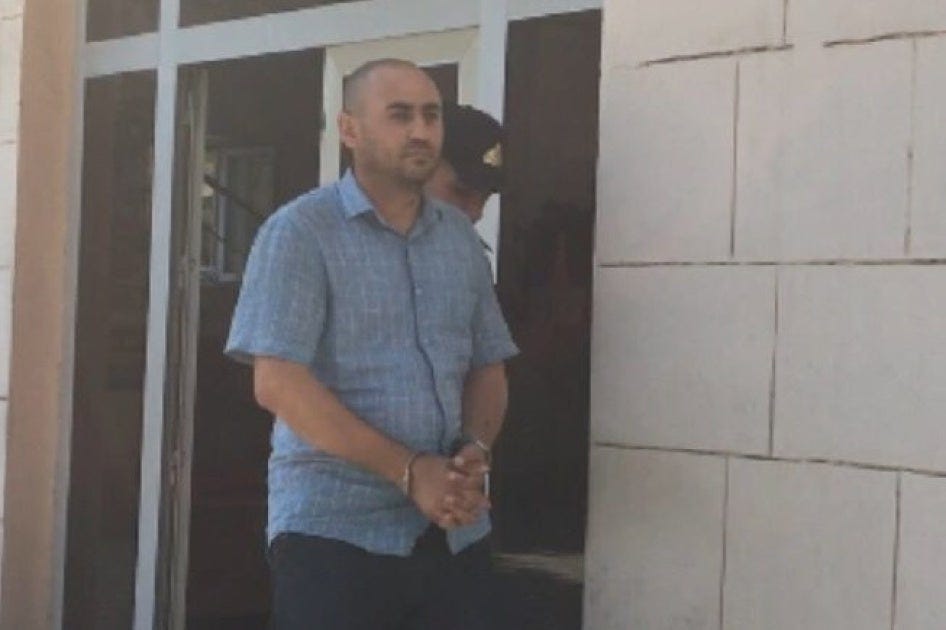
Azerbaijan rearrested a journalist, Afgan Sadigov, who had been forcibly returned from Georgia, where he had sought asylum, immediately upon arrival in Baku, with new charges added to an existing prosecution. The case follows the Supreme Court’s 3 April rejection of all appeals by six Abzas Media journalists, each sentenced to nine years for corruption investigations. Azerbaijan now holds at least 24 journalists behind bars. The forced return from a country he had fled to, followed by immediate rearrest, is transnational repression in its most direct form: a state reaching across borders to silence a reporter who left precisely to keep reporting.
Jailed Pakistani lawyers Imaan Mazari and Hadi Chattha receive the Ludovic Trarieux International Human Rights Prize
Lawyers Imaan Zainab Mazari and her husband Hadi Ali Chattha were awarded the 2026 Ludovic Trarieux International Human Rights Prize on 13 June, while both are serving 17-year prison sentences handed down earlier this year over controversial social media posts. The prize is the world’s oldest and most prestigious human rights honour for lawyers. Chattha has represented victims of blasphemy charges, enforced disappearances, and sexual violence; Mazari has defended journalists, activists, and persecuted religious minorities. The UN special rapporteur for human rights defenders had previously stated that the cases against Mazari appeared to reflect an arbitrary use of the legal system, only to harass and intimidate.
Zone IV: Developed or Emerging Economies with Peace and Stability
Attacks on education surge 40% globally, while Muslim-majority conflict zones account for the majority of verified cases
HRW’s annual Education Under Attack report was released on 15 June. It documented a 40%+ rise in attacks on schools and universities in 2025, making it the highest on record. Afghanistan, Sudan, Palestine, Mali, Burkina Faso, Somalia, and Yemen account for the bulk of verified incidents, ranging from the Taliban’s campus ideological enforcement to drone strikes on Sudanese schools and the destruction of Gaza’s entire university system. When schools are targets, the destruction is structural.
Article Pick
