

Edraak is our newsletter that honours the Muslim world’s diversity, reflected in the multitude of its socio-economic conditions and political institutions spanning across the continents. Traced back to its Arabic origins, إدراك encompasses timely and thorough insights into the developments of the Muslim-majority countries.
This newsletter covers developments from 17 March to 25 March 2026, from global terrorism rankings, Azerbaijan’s New tax ammendments and infrastructure promises in Niger to Pakistan’s pollution paradox, Sudanese refugees’ education crisis, Al-Aqsa under closure, and Iraq’s reckoning with its past.
We organise the Muslim-majority countries into four zones as per their current conditions of conflict, transition, stability, and development.
Zone I: Experiencing War, Conflict, Oppression, Genocide
This zone includes countries where violence, civil war, and mass atrocity crimes dominate daily life.
Religious Freedom Denied: Al- Aqsa Sealed for Eid Prayers
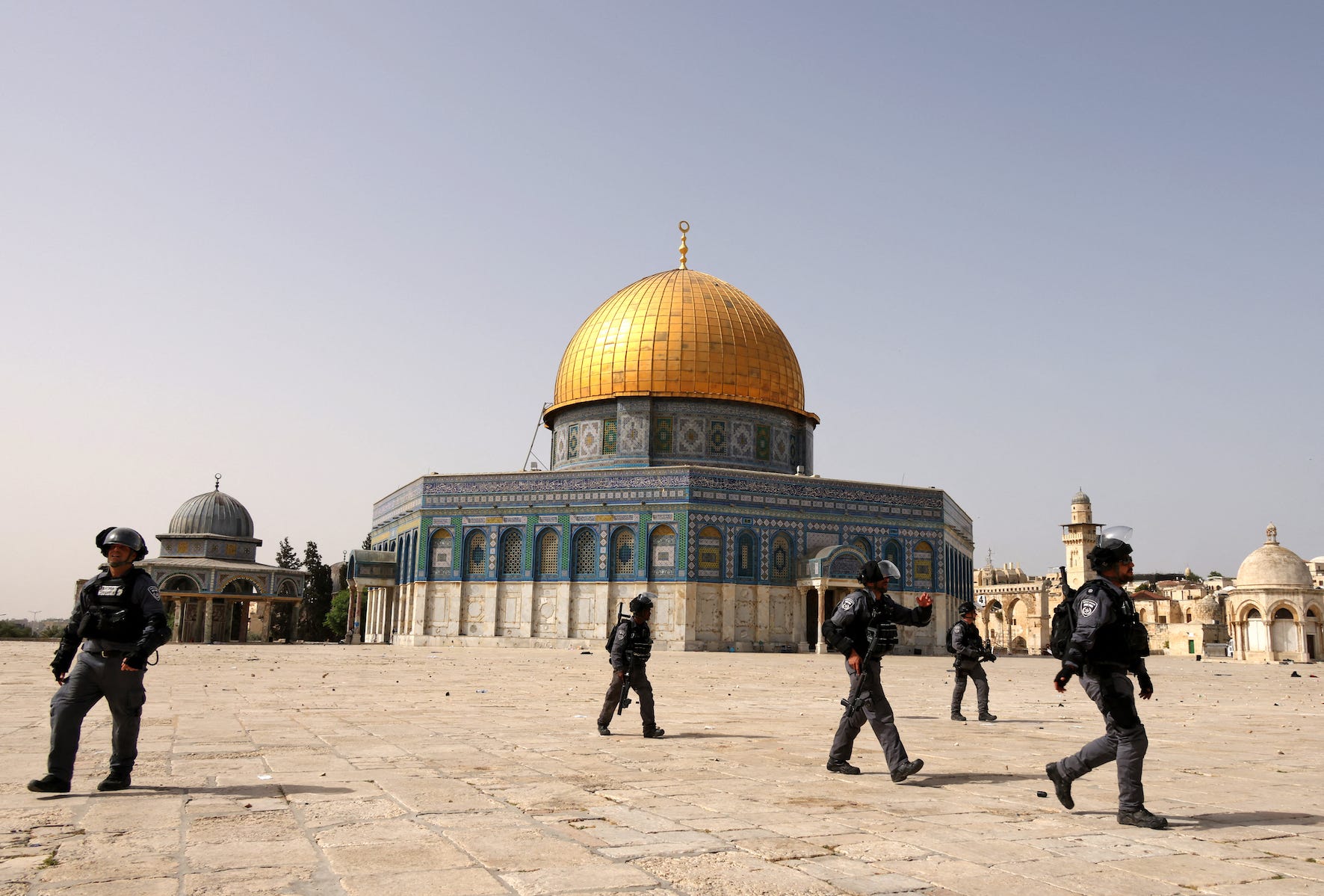
On the first day of Eid al-Fitr, 20 March 2026, Palestinian worshippers were barred from entering Jerusalem’s Al-Aqsa Mosque compound and the Old City for the first time since Israel seized East Jerusalem in the 1967 war. Israeli authorities cited the security situation stemming from the ongoing US-Israeli war with Iran. Access to all holy sites within the Old City, including the Al-Aqsa, the Western Wall, and the Church of the Holy Sepulchre, had been closed since 6 March. The Islamic Waqf, which administers the mosque, warned that what is framed as a temporary wartime measure risks becoming permanent, which strikes at the heart of cultural and religious freedom in Jerusalem, raising the question of whether emergency powers are being used to permanently reshape who controls access to the third holiest site in Islam.
Sudan’s Lost Generation: 76% of Refugee Children are not in School
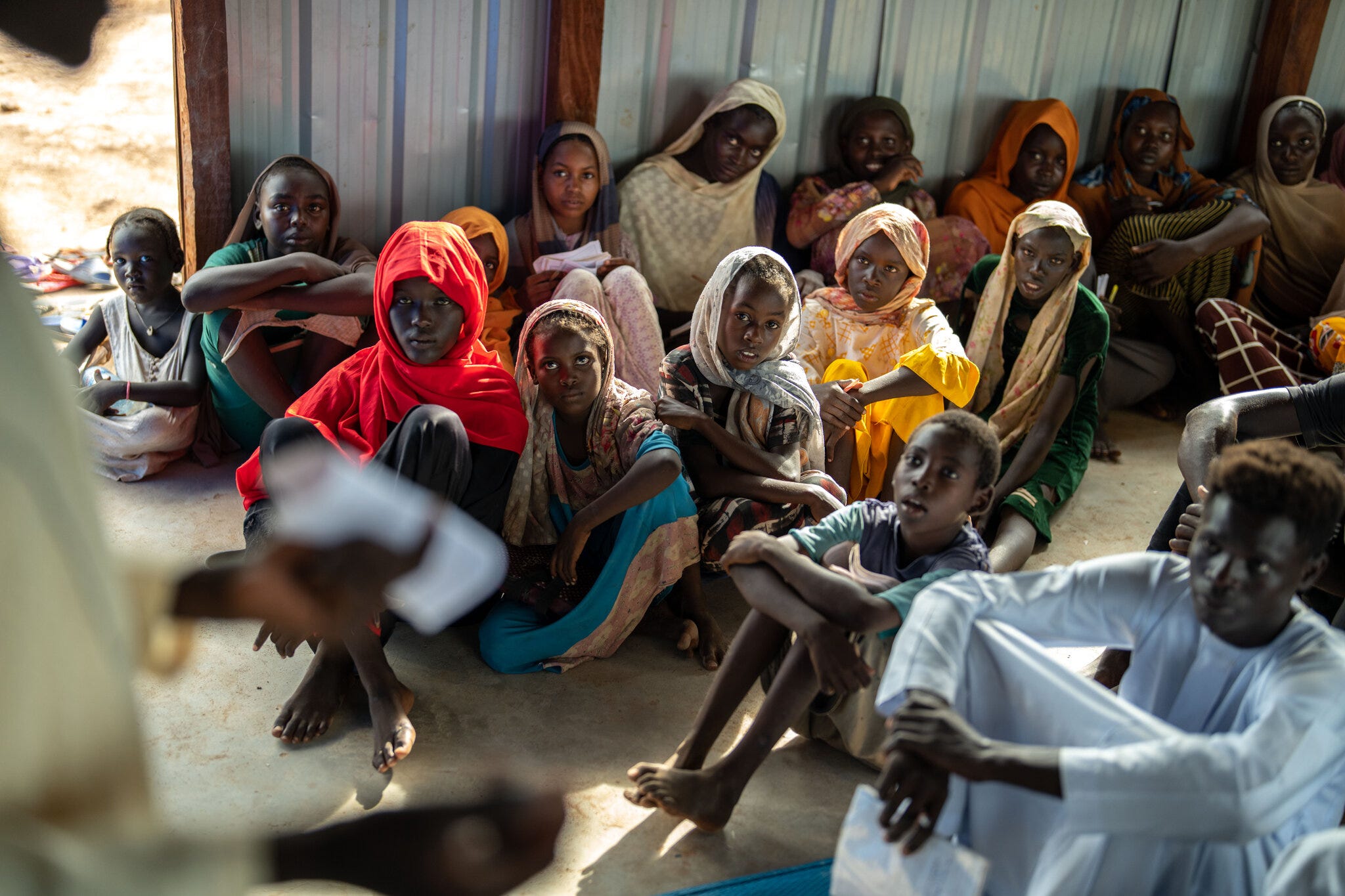
A March 2026 UNHCR survey assessed that three-quarters of Sudanese refugee households surveyed reported that their children were no longer attending school, despite 41 per cent of families having school-age children. The findings extend beyond education. None of the 294 households surveyed possessed birth certificates, 87 per cent had no identity documents, and only 10 per cent had access to basic sanitation and clean water. Children without identity documents exist in legal grey zones, unable to enrol formally, vulnerable to exploitation, and at risk of permanent statelessness.
Zone II: Transition toward Peace and Stability
Countries in this zone are emerging from conflict or undergoing volatile transitions. They are in the process of political reconstruction and institution building.
Peace Returning to a Scarred Community
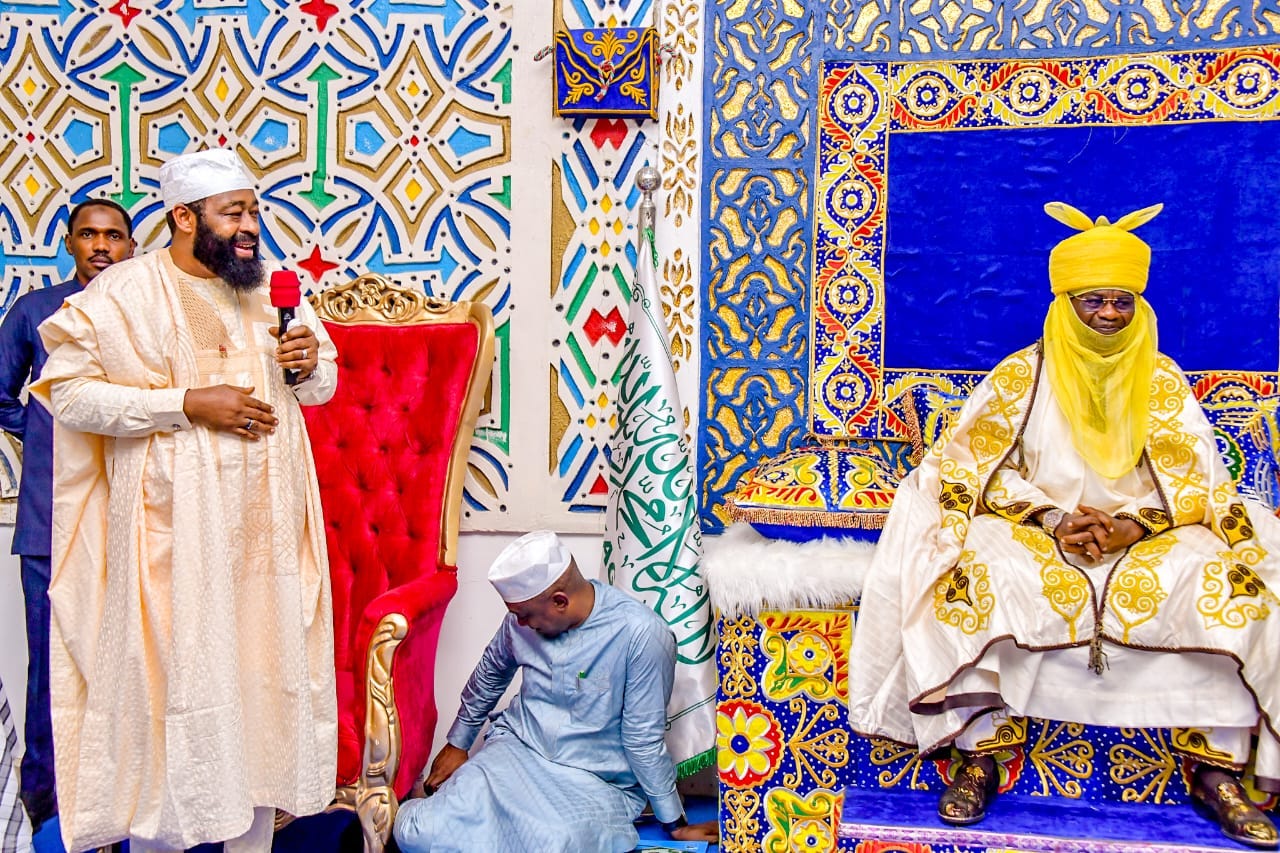
Governor Mohammed Umaru Bago of Niger visited Kagara in Rafi Local Government Area during Eid Salah, bringing concrete pledges to a community long defined by kidnappings, displacement, and insecurity. He confirmed that work on several development projects, including a 10 km and a 5 km road, a new Government Science College, increased security for the state hospital and a mini airport, will commence shortly in Kagara State. The Emir of Kagara also noted that improved security had enabled farmers to return to their fields and the revival of the traditional horse-riding festival. These are the textures of a normal life reclaimed.
Zone III: Stable but Economically Struggling
These countries enjoy relative peace and order, yet face fundamental economic, governance or social challenges.
The World’s Most Polluted Country Plants Trees
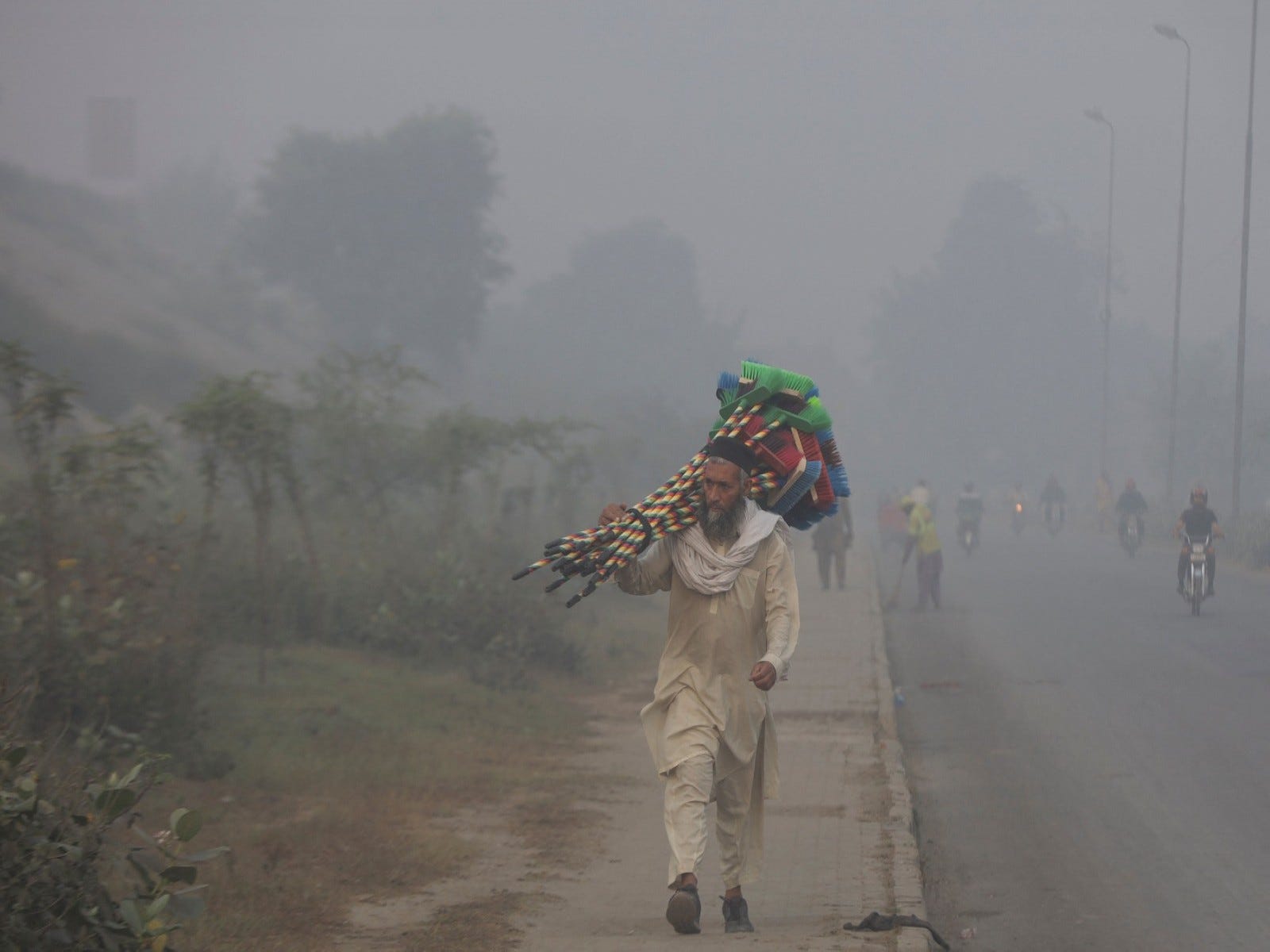
IQAir’s 2025 World Air Quality Report ranked Pakistan the most polluted country in the world, with fine particulate levels nearly thirteen times above WHO standards. The health toll, premature births, cardiovascular disease, and cognitive decline, falls heaviest on the urban poor and children. Days later, Pakistan marked Forest Day on March 24 with nationwide tree-planting drives. Khyber Pakhtunkhwa launched a campaign targeting one million saplings planted in a single day under the Green KP initiative. Clean air is not a privilege; it is a right. The ceremonial enthusiasm is failing to substitute for industrial regulation, enforcement against crop-burning, and a real urban emissions policy.
Iraqi PM Al-Sudani vows against tyranny
Iraqi Prime Minister Mohammed Shia Al-Sudani commemorated the anniversary of the Halabja chemical attack and the broader Anfal campaign this week, honouring victims of Ba’athist atrocities, including the Sha’ban Intifada, the massacre of scholars, and the gassing of thousands of Kurdish civilians in March 1988. Al-Sudani framed remembrance as a democratic obligation, pledging that Iraq’s institutions would guard against any return to authoritarian rule. Such statements are exercises in transitional justice: the recognition of authoritarian crimes is itself a form of political protection.
Global Terrorism Index 2026
The Global Terrorism Index 2026 carries meaningful good news. Deaths from terrorism fell 28 per cent globally to 5,582, with 81 countries recording improvements, showing the lowest number of deteriorations in the Index’s history. IS, while remaining the deadliest terrorist organisation, was active in fewer countries, dropping from 22 to 15. Large-scale attacks were notably absent, and average lethality per attack declined from 2.1 to 1.8 deaths. In Muslim-majority Africa, five Sahelian countries recorded falls in both deaths and incidents, with Burkina Faso alone seeing a 44.8 per cent drop in terrorism deaths.
In sub-Saharan Africa, 71 per cent of recruits cited human rights abuses by state security forces as their tipping point, while a quarter pointed to the total absence of economic opportunity. Thus, terrorism, in these regions, is not a crisis of faith, but of governance. Where states protect economic life, the appeal of armed extremism withers. Liberty is not only a moral good; it is the most durable counterterrorism strategy available.
Zone IV: Developed or Emerging Economies with Peace and Stability
Zone IV encompasses those countries that have achieved a baseline of political or security stability, and which are now focused on economic growth, globalisation and strategic alignment.
Azerbaijan’s Amended Tax Code
![Exhibition of classic cars held in front of Heydar Aliyev Centre [PHOTOS]](https://substackcdn.com/image/fetch/$s_!qKxG!,f_auto,q_auto:good,fl_progressive:steep/https%3A%2F%2Fsubstack-post-media.s3.amazonaws.com%2Fpublic%2Fimages%2F1d80eaf6-1e7c-4f65-a926-c2db8c38bb52_1622x1080.jpeg "Exhibition of classic cars held in front of Heydar Aliyev Centre [PHOTOS]")
Azerbaijan’s amended tax code entered into force today, introducing a triple exemption on the import of qualifying rare vehicles from VAT, excise duty, and customs. A car qualifies as rare if it is over 40 years old and retains its original engine, body, and chassis, or has been restored to factory specifications. This comes from Azerbaijan’s larger 2026 Tax Code amendments. Covering 145 changes across 45 articles, it signals a deliberate pivot toward economic flexibility. Non-oil private sector income tax drops as low as 3%, and micro-businesses, media outlets, theatres, cinemas, and museums receive significant tax relief. Classic cars, artworks, and antiques are now VAT and excise-exempt. The framework is designed to offer encouragement by actively removing barriers to participation in legitimate markets that had previously operated with little dedicated legislative support.
Article Pick
Read “Why so many Muslims feel disconnected from their faith” by Faisal Kutty, which explores how public expression of faith remains strong while internal gratification is plummeting. He explores the complex relationship between the way faith is presented, practised and preached.