

This week’s edition covers seven stories from across the Muslim world as the region held its breath over a potential ceasefire in the US-Israel war on Iran, and as events unfolded far from the battlefield. From Burkina Faso to Pakistan, we cover a wide spectrum of events: from high-stakes Senate briefings to authoritarian speeches signalling the end of all democratic processes, the UN’s recognition of the Taliban government’s troubling policies, and major new infrastructure initiatives taking shape in Syria.
Edraak is our newsletter that honours the Muslim world’s diversity, reflected in the multitude of its socio-economic conditions and political institutions spanning across the continents. Traced back to its Arabic origins, إدراك encompasses timely and thorough insights into the developments of the Muslim-majority countries.
We organise the Muslim-majority countries into four zones as per their current conditions of conflict, transition, stability, and development.
Zone I: Experiencing War, Conflict, Oppression, Genocide
This zone includes countries where violence, civil war, and mass atrocity crimes dominate daily life.
Burkina Faso: “Forget Democracy”
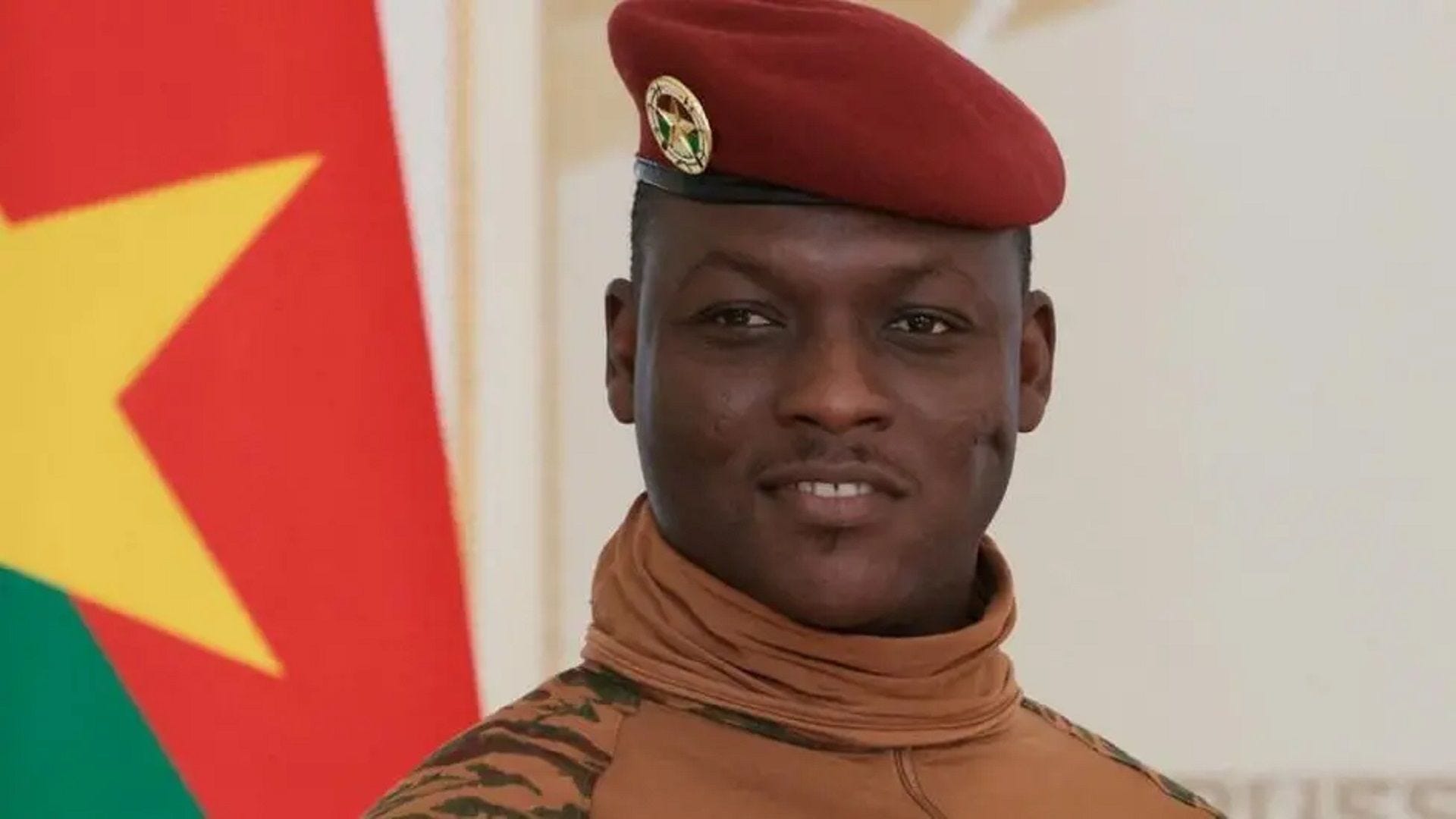
Burkina Faso’s military leader Ibrahim Traoré told citizens in a televised interview this week to “forget about the issue of democracy,” saying “democracy isn’t for us” and citing Libya as evidence that democratic systems have historically produced instability. The remarks follow a rapid dismantling of political infrastructure: in January, the government dissolved over 100 political parties and confiscated their assets; parliament had already been suspended, and the electoral commission was disbanded in 2025. Since seizing power in September 2022, Traoré has used emergency law to arrest, disappear, and forcibly conscript critics, dissidents, and judges. Insinuating that security crises justify suspending political rights is the oldest authoritarian playbook in existence. Dissolving parties, confiscating assets, and conscripting critics are not emergency measures; they are the elimination of any future accountability mechanism. When a ruler tells you to “forget democracy,” what he means is: forget that power can be taken from him.
Zone II: Transition toward Peace and Stability
Countries in this zone are emerging from conflict or undergoing volatile transitions. They are in the process of political reconstruction and institution building.
Giving Democracy a Chance
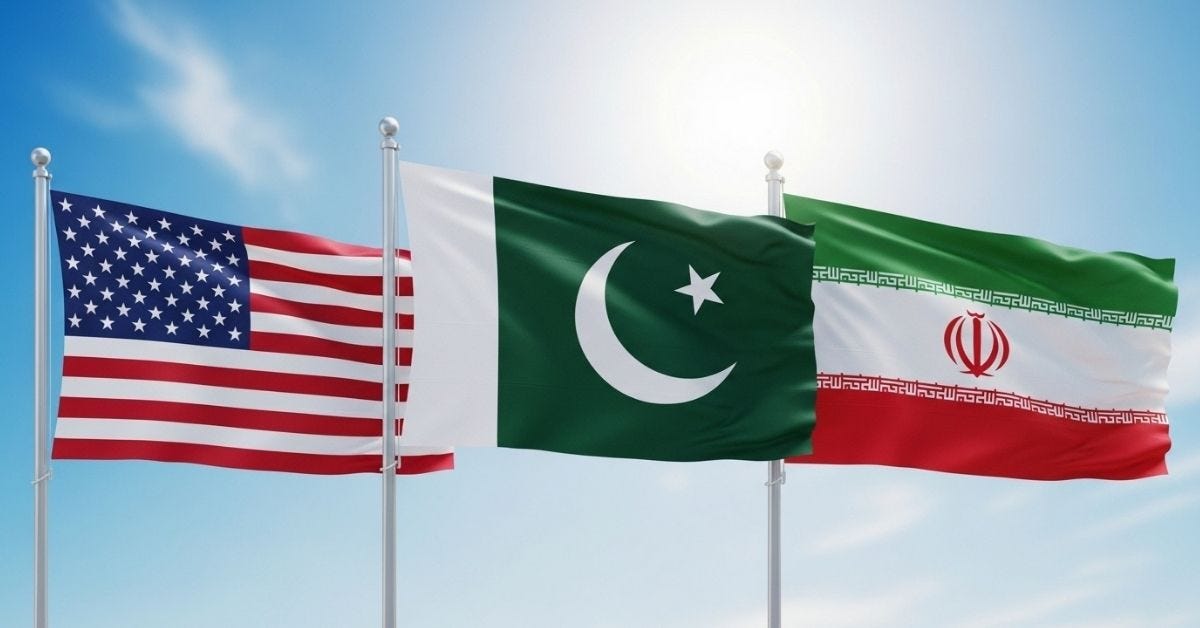
On 7 April, barely 90 minutes before Trump’s deadline to bomb Iran, the countries agreed to a two-week ceasefire secured through Pakistan’s mediation. Trump credited direct overnight conversations with the Pakistani Prime Minister, Shehbaz Sharif and Field Marshal, Asim Munir. The negotiations towards a final agreement will likely be held in Islamabad on Friday, 10 April 2026. Iran’s key demands for these negotiations are, most notably, acceptance of Iranian sovereignty of the Strait of Hormuz, withdrawal of all US combat forces from the Middle East, lifting of all US, UNSC and IAEA sanctions, and full compensation for war damages inflicted since 28 February. Trump said the US received Iran’s 10-point proposal and believes it is “a workable basis on which to negotiate,” contingent on Iran agreeing to the “complete, immediate and safe opening” of the Strait of Hormuz.
Turkey and Syria launch JETCO
The first meeting of the Turkey-Syria Joint Economic and Trade Committee (JETCO) took place on 7 April 2026. Turkey, along with regional Arab partners, has committed $11 billion total for Syrian infrastructure. An industrial free zone near the Turkish-Syrian border is under planning to attract Turkish manufacturers, create jobs, and support voluntary refugee returns. Economic liberty in a post-conflict state requires physical infrastructure before it requires markets. Syria cannot trade, attract investment, or employ its population without electricity, roads, and airports.
Zone III: Stable but Economically Struggling
These countries enjoy relative peace and order, yet face fundamental economic, governance or social challenges.
Pakistan’s Senate Committee rejects the female participation provision
The Senate Standing Committee on Parliamentary Affairs reviewed the Elections (Amendment) Bill, including a proposal mandating 33% women representation among party office-bearers, with penalties for non-compliance. Senator Dr. Zarqa Suharwardy Taimur also suggested quotas for non-Muslims and persons with disabilities, and allocating 10% of party funds for inclusion programmes. However, the committee rejected these provisions, citing concerns over excessive regulatory interference in internal party affairs. Members argued that while inclusion is important, such measures make the political process “more complex”, and the focus should stay on “practically enforceable” provisions.
UN Reviews Systemic Violations of Afghan Women’s Rights
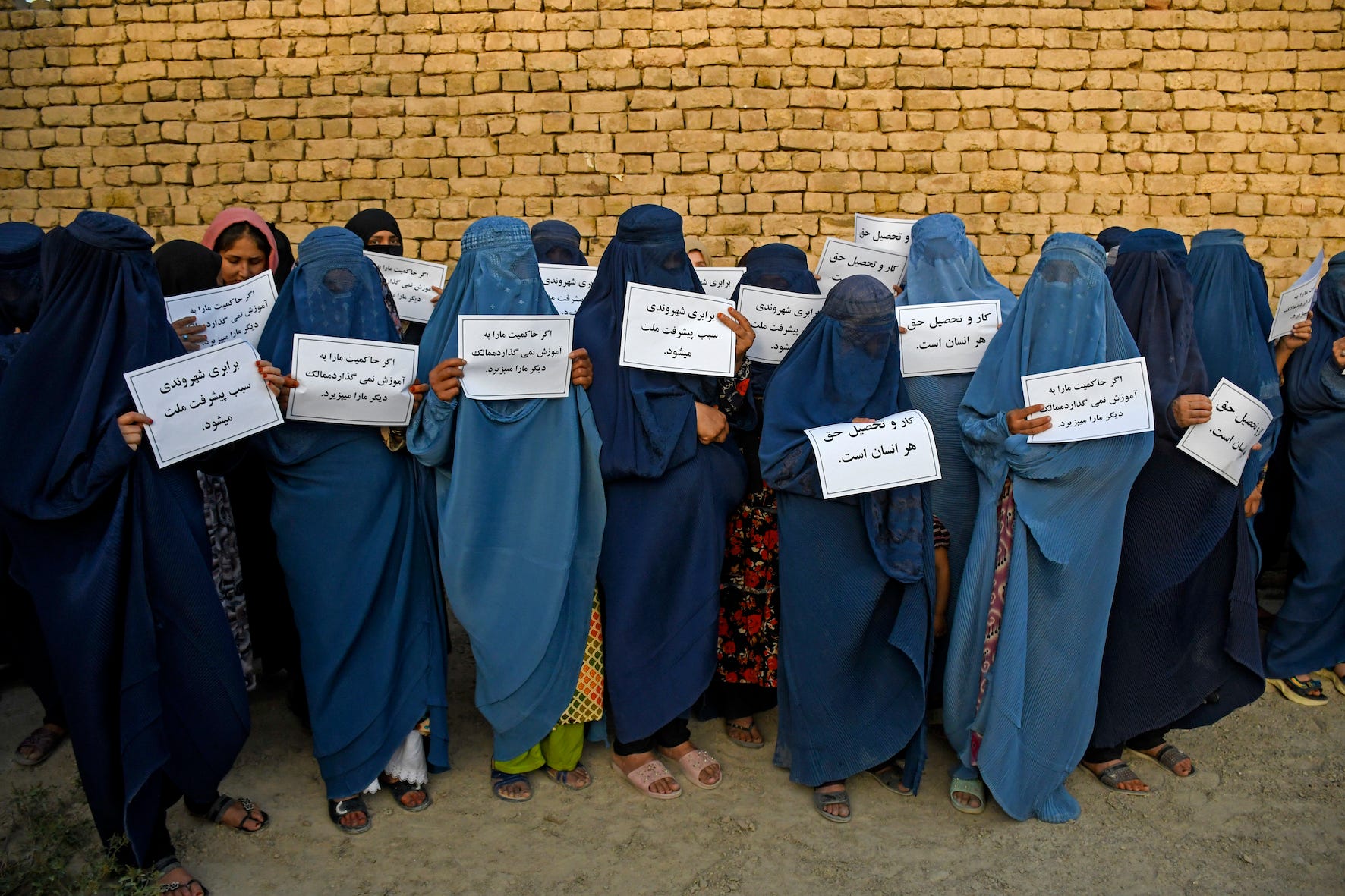
A United Nations legal review has found that 16 policies imposed by the Taliban since August 2021 violate Afghanistan’s obligations under the Convention on the Elimination of All Forms of Discrimination against Women. The report evaluates measures affecting education, employment, healthcare, and public participation. It highlights bans on girls’ education, limits on women’s work, and restrictions on movement as key concerns, alongside rules enforcing dress codes and male guardianship. These Taliban policies are forming a system of institutionalised discrimination, violating core principles of equality and non-discrimination under international law.
Zone IV: Developed or Emerging Economies with Peace and Stability
Zone IV encompasses those countries that have achieved a baseline of political or security stability, and which are now focused on economic growth, globalisation and strategic alignment.
France tries to ban its largest annual Muslim gathering
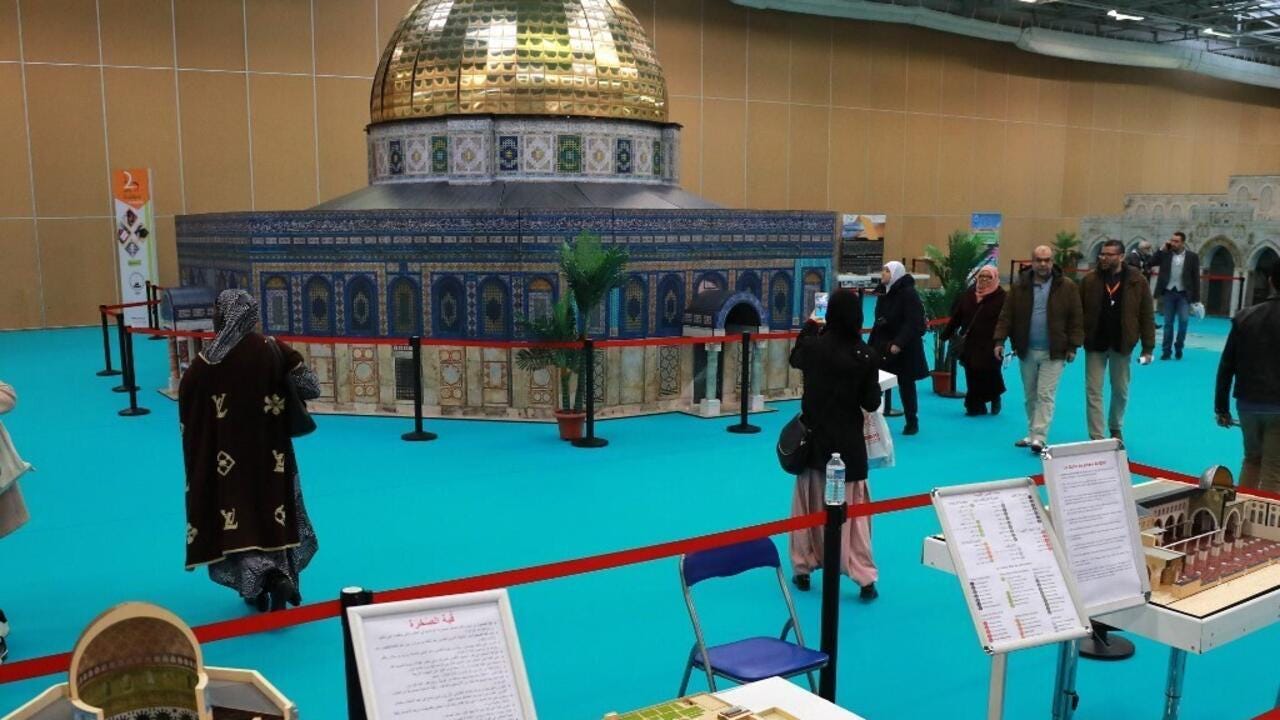
On 3 April 2026, Paris police chief Patrice Faure issued an order prohibiting the 40th Annual Meeting of Muslims of France at the Le Bourget Exhibition Centre, citing a “major terrorist risk” from far-right groups and a “particularly tense international context”. This cultural conference and trade fair draws tens of thousands of Muslims from across Europe and had not been held since 2019. The Muslims of France association immediately filed an emergency injunction arguing the ban was a “manifest breach of the right to assemble.” A French court overturned the ban the same day, allowing the event to proceed. The ban’s announcement nonetheless coincided with France’s preparation of a new “anti-separatism” law targeting Muslim organisations accused of promoting ideologies incompatible with the Republic’s principles.
Codifying Fiqh for Contemporary UAE Legal Systems
Al Muntada Al Islami organised a specialised seminar titled “Codifying Fiqh and Its Contemporary Applications,” bringing together scholars, judges, and legal experts to examine the transformation of Islamic jurisprudence into structured legal systems. Over two days, discussions explored definitions of fiqh codification, legislative processes in the UAE, and the integration of Sharia principles with modern laws. Participants highlighted fiqh’s flexibility in addressing financial, social, and judicial matters, alongside the importance of judicial ijtihad and institutions like the Accounting and Auditing Organisation for Islamic Financial Institutions in harmonising standards.
Are You Coming?
Join us on Thursday, 9th April at 5:00 PM PKT for an open and informal virtual gathering where we will share where we are headed, and most importantly, hear from you. What would you like us to cover? What conversations do you want Edraak to start?
This is your space as much as it is ours, and we want your voice in it.
Date: Thursday, 9th April 2026
Time: 5:00 PM PKT (8:00 PM MYT)
Platform: Zoom
Link: https://zoom.us/j/96887175432?pwd=lw76Z0ivWYOME2juTCtuqNjyHNMRbv.1
Meeting ID: 968 8717 5432
Passcode: 002099