

Edraak News is our newsletter that honours the Muslim world’s diversity, reflected in the multitude of its socio-economic conditions and political institutions spanning across the continents. Traced back to its Arabic origins, إدراك encompasses timely and thorough insights into the developments of the Muslim-majority countries. We classify the Muslim-majority countries into four zones as per their current conditions of conflict, transition, stability, and development.
This newsletter covers developments from 17 January to 6 March 2026, from the deepening war between Iran and the US-Israel alliance to aid bans in Gaza that threaten survival. It also covers the UN’s alarm over a renewed war in South Sudan, and the new penal code in Afghanistan that has institutionalized gender violence and curtailed fundamental freedoms.
We organize the Muslim-majority countries into four zones as per their current conditions of conflict, transition, stability, and development.
Zone I: Experiencing War, Conflict, Oppression, Genocide
This zone includes countries where violence, civil war, and mass atrocity crimes dominate daily lives.
Gaza: Aid Bans and Collective Punishment
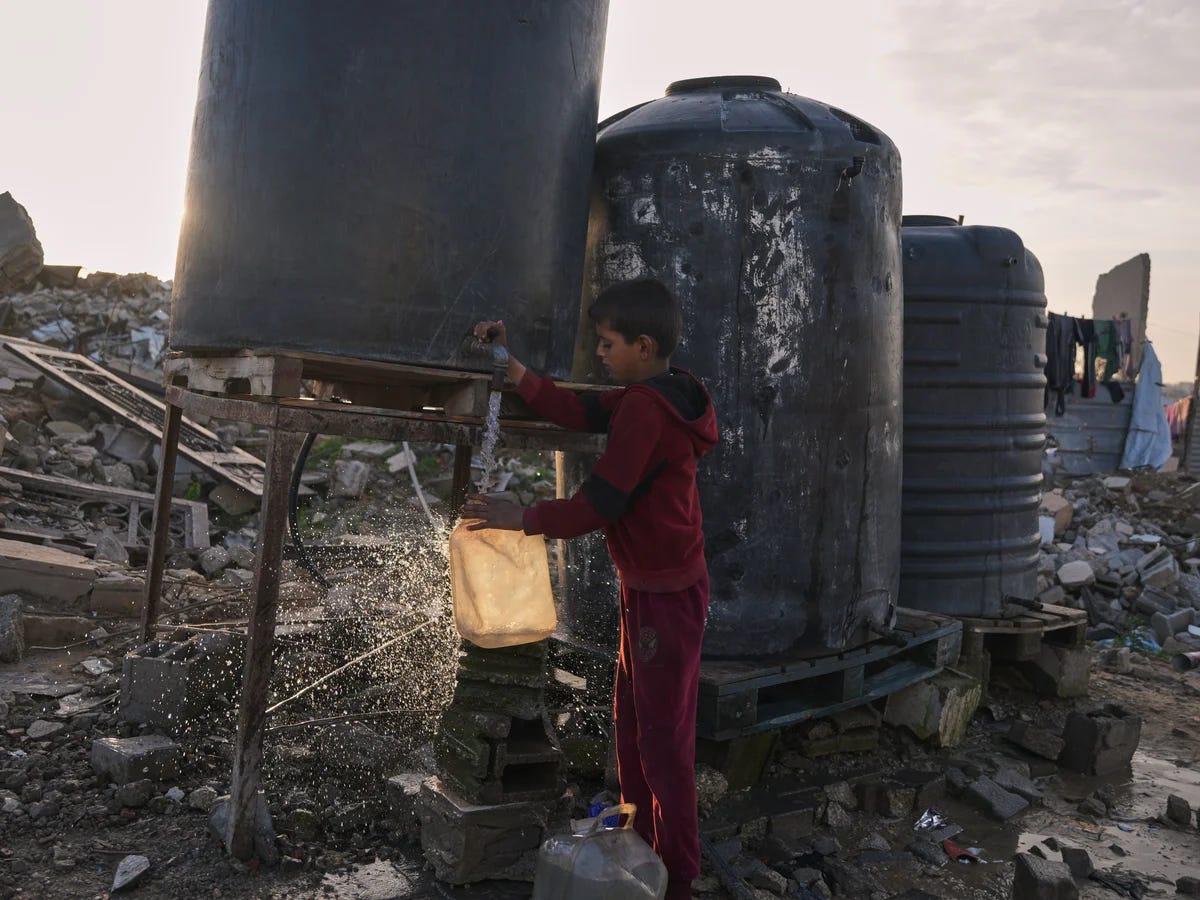
Several international organizations, including MSF and NRC, have been banned from operating in the Gaza Strip, placing nearly two million people at further humanitarian risk. Israel’s Ministry for Diaspora Affairs has imposed strict transparency rules requiring NGOs in Gaza to disclose detailed staff and funding information, threatening licence revocation for actions such as “delegitimizing” Israel or pursuing legal cases against IDF soldiers.
Aid groups argue the measures are politically motivated, violate data-protection laws, and risk undermining independent humanitarian work in Gaza, where hundreds of aid workers have already been killed, and relief access remains fragile. 17 organizations have filed a petition against Israel’s new sanctions, deeming them violations of international humanitarian law.
Iran War: Liberty Cannot Be Imposed
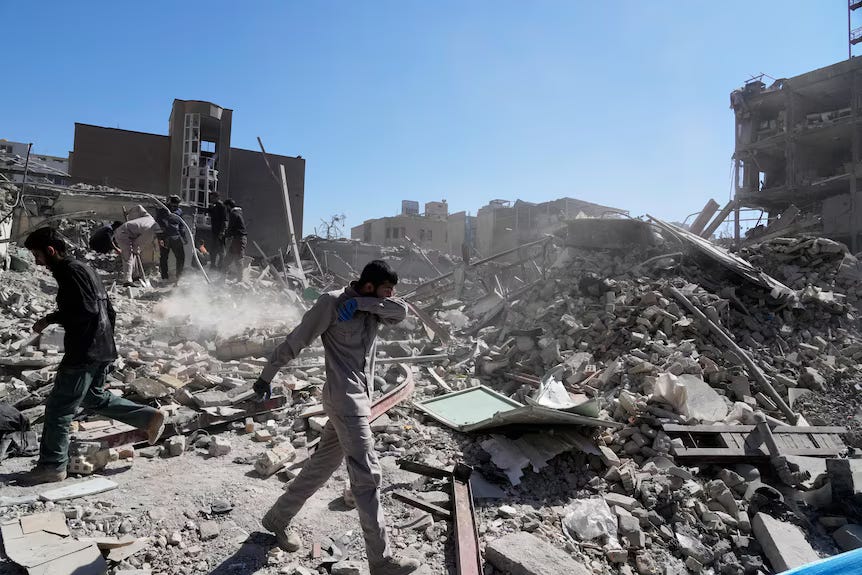
The United States and Israel launched a major military campaign against Iran, code-named Operation Epic Fury, on 28th February, 2026. This comes just as sensitive trade negotiations between Tehran and Washington, facilitated by Oman, were underway. Deemed necessary to “eliminate imminent threats from the Iranian regime,” it occurred amid a period of internal turbulence in Iran, where the economy has contracted, inflation has soared, and nationwide protests have called for political reform since late 2025. As Trump urges the Iranian people to “take over your government. It will be yours to take”, he undermines an important fact: external military force and foreign aggression have historically failed to deliver lasting stability, prosperity, or domestic agency. Early reports indicate hundreds of casualties and over 700 wounded across multiple cities of Iran, including women and children. Schools, civilian infrastructure, and residential areas were hit, prompting closures and emergency directives from Iranian authorities. Most notably, the death of Ayatollah Khamenei, the supreme leader of Iran since the Iranian Revolution of 1979, in these airstrikes ended his 37-year rule. The attack also reportedly killed 40 senior Iranian officials, including the heads of the Revolutionary Guards, armed forces, and intelligence services, as well as members of Khamenei’s family. These developments are escalating this war into a regional crisis.
Historically, the Islamic regime of Iran has declared the US and Israel as its primary enemies and has maintained a publicly hostile stance while supporting militant insurgencies in the region.
Zone II: Transition toward Peace and Stability
Countries in this zone are emerging from conflict or undergoing volatile transitions. They are in the process of political reconstruction and institution building.
UN Warning on South Sudan
The United Nations Commission on Human Rights in South Sudan warns of a looming return to full-scale war, citing escalating atrocity risks. Presented in front of the United Nations Human Rights Council in Geneva, CHRSS discussed how the renewed fighting between government soldiers and the SPLA-IO shows rising political tensions. More than 450,000 children are at risk of acute malnutrition, 250,000 people are left without healthcare, and women have reported 250 cases of widespread, systematic sexual violence. For a country that gained independence in 2011 with hopes of self-determination, the warning underscores how fragile freedom remains when governance fails to protect citizens.
Zone III: Stable but Economically Struggling
These countries enjoy relative peace and order, yet face fundamental economic, governance or social challenges.
Afghanistan’s new penal code
A new penal code that “formally removes equality between men and women before the law” was signed by Mullah Hibatullah Akhundzada, Supreme Leader of Afghanistan, and is the first comprehensive criminal law issued under the Taliban administration in Afghanistan. The 119-article, 60-page Decree No. 12 presents harsher penalties for organizing animal fights than for domestic violence. Under the decree, a man who severely beats his wife, causing a visible injury, faces up to 15 days in prison, and only if the woman can prove her case before a judge. This consolidated earlier restrictions on girls’ education, women’s employment, and public conduct. Human rights advocates say it marks a further erosion of individual liberty, legal equality, and protections for Afghan women and children.
Zone IV: Developed or Emerging Economies with Peace and Stability
Zone IV encompasses those countries that have achieved a baseline of political or security stability, and which are now focused on economic growth, globalisation and strategic alignment.
Britain: Anti-Palestinian Repression and Civil Liberties
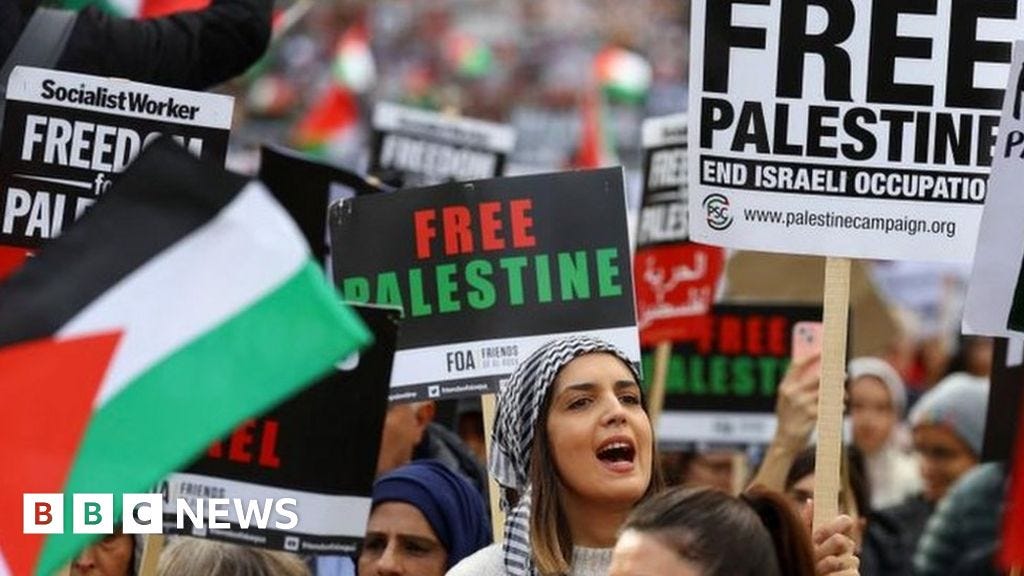
The European Legal Support Centre reported 964 documented cases, between 2019 and 2025, of anti-Palestinian repression in Britain. These cases range from workplace discrimination to restrictions on protest. The two main allegations used, as noted by the report, against any Palestinian solidarity movement are support for terrorism and antisemitism. The report also notes that UKLFI has been involved in 128 incidents that led to institutional repression of Palestine solidarity.
Singapore Muslim Festival 2026: Faith, Culture, and Community
The Singapore Muslim Festival 2026, held at Singapore Expo from February 13–15, brought together government ministers, Islamic scholars, entrepreneurs, and diplomatic representatives, including His Excellency Mohammad Alghamdi, Saudi Arabia’s Ambassador to Singapore, in a three-day celebration of Islamic heritage, regional ties, and community life. Organised by Jamiyah Singapore under the theme “Hajj & Umrah: Prepare Your Heart, Mind & Soul,” the festival featured SEERAH exhibitions, Islamic calligraphy, a virtual reality journey through Makkah and Madinah, and a platform for Muslim-owned enterprises.
Article Pick
Read “The Politics of Silence Around Islam” by Ada Akpala. The article explores why open conversations about Islam remain rare in the West, despite Muslims being a significant and permanent part of society. It argues that fear, mislabelled Islamophobia, and hesitancy to confront Islamism hinder honest dialogue, leaving space for extremists on both sides and challenging integration and democratic values.