

When a country lacking natural resources takes a bold step by offering subsidies, tax exemptions, and electricity discounts of up to 75% to attract investments, it is not just taking a risk; it is making a crucial effort toward economic survival. However, the effectiveness of this strategy ultimately depends on whether the country can sustain these efforts over time.
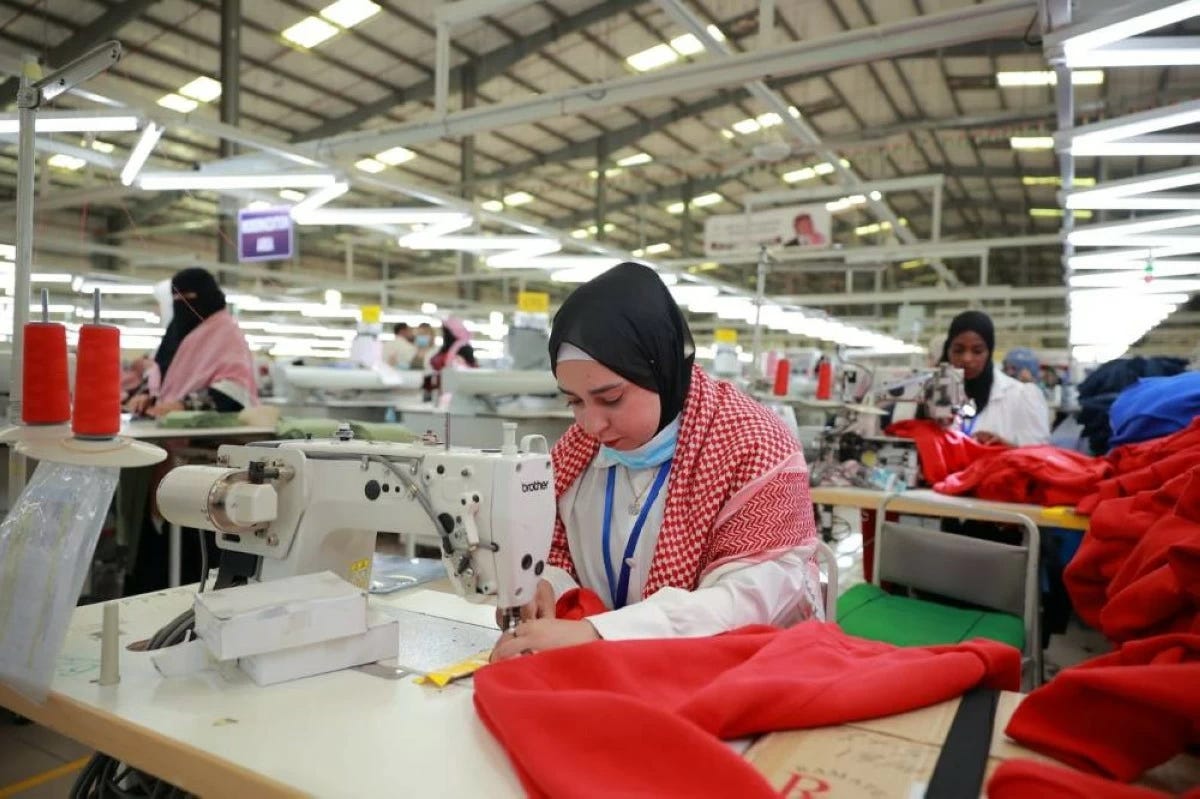
On August 2, Jordan’s cabinet approved a major package that includes tax exemptions for qualifying projects, regulatory relief to limit bureaucracy, and electricity subsidies for the industrial zone in Rawda. Additionally, companies will receive a 75% discount on their electricity bills for the first two years. Apart from this, support will also be provided for workers’ salaries and their transportation costs.
The Cabinet stated that the main reason for this initiative is to attract investments, create jobs, and enhance competition among companies. For growing businesses, this package will reduce the costs associated with starting or expanding operations. Additionally, it will help workers find jobs more easily and lower expenses related to hiring.
Jordan has very few natural resources compared to its neighboring countries, such as Saudi Arabia, Iraq, and the UAE, which are rich in oil. In contrast, Jordan imports about 90% of its energy needs, including oil and gas, from other countries. As a result, Jordan’s electricity costs are higher, driving up prices for goods and services nationwide.
Jordan is a country that has faced a series of significant challenges. The first major issue emerged in 2011 during the civil war in Syria, prompting many migrants to flee to Jordan. As a small country with limited resources, Jordan now needs to accommodate about 1.3 million Syrians, which requires additional resources and jobs to support both the local population and the newcomers.
Additionally, Jordan’s economy heavily affected during COVID-19. In 2020, the COVID-19 pandemic completely halted tourism, leading to the closure of restaurants and hotels, job losses for tour guides, and a dramatic contraction of the economy.
Furthermore, the ongoing war in Ukraine has led to rising fuel and food prices, significantly affecting Jordan, which imports most of its energy. Many locals are struggling to afford necessities, including bread.
To address this crisis, Jordan borrowed money from the International Monetary Fund (IMF), which provided billions of dollars. However, in return, the IMF imposed certain conditions that included raising taxes and reducing subsidies. While these measures helped stabilize the budget, they negatively impacted civilians.
Today, Jordan is grappling with serious problems, including an unemployment rate of around 21.3%, a public debt that accounts for approximately 90% of its GDP, and slow economic growth of around 2.8%.
Jordan has tried special economic zones before. In the late 1990s, it created Qualified Industrial Zones that could sell goods to the United States without tariffs. These zones created thousands of jobs and brought in foreign investment. The Rawda package follows a similar model.
Jordan is not alone. China created the Shenzhen Special Economic Zone in 1980 with tax breaks and reduced bureaucracy. Shenzhen grew from a fishing village to a city of over 10 million people and became a hub for Huawei and Tencent. Vietnam launched the Doi Moi reforms in 1986, creating industrial zones with tax incentives. Vietnam transformed from one of the world’s poorest countries to a middle-income economy and major exporter. India passed the Special Economic Zones Act in 2005, offering tax holidays and simplified procedures. India’s IT and pharmaceutical industries grew rapidly.
The pattern is clear: countries that create special zones with real incentives attract investment. Countries that do nothing stay behind. The Rawda plan is not perfect. Critics say it is temporary and limited to one zone. They are right. But perfection is the enemy of goodness. Jordan cannot wait. A temporary boost is better than no boost. Helping one zone is better than helping none.